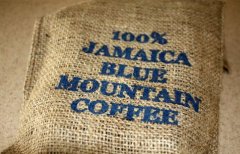
What Makes Jamaican Blue Mountain Coffee Special?
If you’ve ever wondered what makes ‘real’ Blue Mountain coffee so legendary—and why it commands such high prices—you’re not alone. Enthusiasts and professionals alike often ask: is it the taste, the growing conditions, or just marketing hype? The answer lies in all three, but especially in the strict criteria that define what can truly be called Blue Mountain coffee.
In short, authentic Jamaican Blue Mountain coffee is made exclusively from the highest-quality beans grown at elevations between 910 and 1,700 metres in a legally defined region of Jamaica. The very best among them—Grade No.1 peaberry—comes from the rare small, round beans found in only a small fraction of the harvest, and it’s widely considered the finest of the fine.
What Is Jamaican Blue Mountain Coffee?
Jamaican Blue Mountain coffee isn’t just a regional product; it’s a tightly regulated designation. For coffee to be labelled as genuine Blue Mountain, it must come from the Blue Mountains of Jamaica, specifically from farms located between 910 and 1,700 metres above sea level. This altitude range, combined with Jamaica’s unique microclimate, creates the conditions for a coffee that’s famous for its balance, clarity, and complexity.
The coffee-growing region enjoys fertile volcanic soil, consistent rainfall, cool temperatures, and high humidity—all factors that shape the bean’s character. Even with similar coffee plant varieties grown in places like Hawaii, Kenya, or Papua New Guinea, none can quite replicate the distinct profile of true Blue Mountain coffee.
Flavor Profile and Characteristics
True Blue Mountain coffee is celebrated for its well-balanced cup: it offers medium acidity, subtle fruitiness, and a smooth, clean finish without excessive bitterness or harshness. Many tasters note flavors of chocolate, nuts, and caramel, along with a delicate sweetness and floral or fruity undertones.
The body is typically medium, and the aftertaste is clean and lingering—traits that have earned it descriptions like “drinkable” and “refined.” Unlike some brighter or more intense single origins, Blue Mountain is approachable even to those who prefer milder or less acidic coffees.
Why No.1 Peaberry Is Considered the Best
Within the graded system of Jamaican Blue Mountain, Grade No.1 represents the highest quality. Among these, No.1 peaberry beans are especially prized. A peaberry occurs when a coffee cherry produces a single, rounded bean instead of the usual two flat beans. These occur naturally in about 5% of the crop and are often smaller, denser, and said to roast more evenly.
No.1 peaberry beans are typically rounder and more uniform, selected from the highest-altitude lots (above 2,100 metres in some descriptions, though Jamaica’s official zone caps at 1,700m). They are considered the pinnacle of the Blue Mountain grade—not just for their rarity, but for their concentrated, often more intense flavor.
How Blue Mountain Coffee Is Processed and Certified
From harvest to export, Blue Mountain coffee undergoes rigorous quality control. After picking, the cherries are processed using the washed (wet) method: they’re depulped, fermented, washed, dried on patios, hulled, and sorted. Every stage is monitored by specialists to ensure consistency and quality.
Unlike bulk coffee shipped in jute sacks, top-grade Blue Mountain is traditionally packed in handcrafted wooden barrels—a nod to its premium status. Furthermore, every batch must be certified by Jamaica’s Coffee Industry Board, which conducts sample roasting, brewing, and cupping evaluations before granting export approval.
Roasting Recommendations and Brewing
The ideal roast level for Jamaican Blue Mountain coffee is medium, which allows its inherent sweetness and acidity to shine while avoiding over-roasting that could mask its delicate profile. Some premium lots, like those from the historic Clifton Estate, are best enjoyed as medium-dark roasts to bring out notes of chocolate, hazelnut, and toffee.
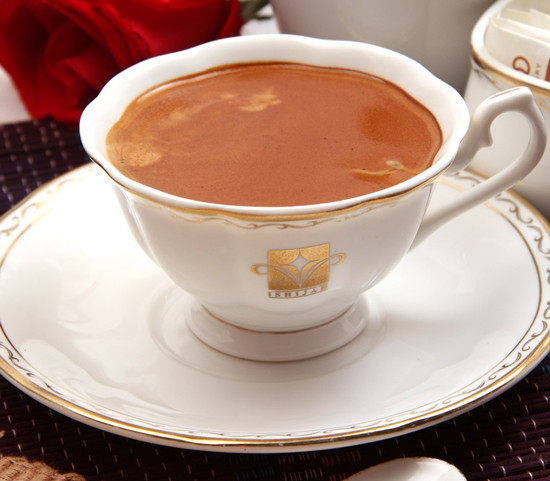
This coffee excels as a black coffee. Many experts recommend brewing it via pour-over or drip methods to highlight its clean and balanced character. Its relatively low caffeine content—less than half that of many other coffees—adds to its appeal for those seeking a smoother, less jittery cup.
As one US coffee executive put it, its flavor is “aromatic, smooth, and mellow, like a fine gem.” The liquid is often described as golden in the cup, with a silky mouthfeel that balances acidity and sweetness in a way few other coffees can match.
Frequently Asked Questions
What is so special about Blue Mountain coffee?
Jamaican Blue Mountain coffee is special because it is grown in a specific high-altitude region of Jamaica under strict quality controls. It features a rare balance of mild acidity, smooth body, and subtle fruitiness, and is produced under regulations that ensure traceability and quality at every stage—from farm to export. The combination of terroir, processing standards, and limited production makes it highly sought after.
What is No.1 peaberry in Blue Mountain coffee?
No.1 peaberry refers to the highest grade of Blue Mountain beans, where a rare natural mutation produces a single round bean instead of two flat ones. These peaberries are usually smaller, denser, and more flavorful. In Blue Mountain coffee, No.1 peaberry is considered the finest grade, often sourced from the highest-elevation lots and known for a more concentrated taste profile.
How should I roast Blue Mountain coffee?
The recommended roast level for Blue Mountain coffee is medium. This brings out its natural sweetness and balanced acidity without overpowering its delicate flavors. Some estates, like Clifton, produce beans that shine with a medium-dark roast, highlighting notes like chocolate and toffee. Avoid very light or very dark roasts to preserve its refined profile.
What does Blue Mountain coffee taste like?
Blue Mountain coffee typically tastes smooth, balanced, and mildly acidic. Common tasting notes include chocolate, nuts, caramel, citrus, and floral hints. It has a medium body and a clean, lingering aftertaste, making it smooth and easy to drink even for those who prefer less intense coffee.
Why is Blue Mountain coffee so expensive?
Blue Mountain coffee is expensive due to its limited production, strict growing regulations, labor-intensive processing, and high demand. Only coffee grown within a specific altitude range in Jamaica’s Blue Mountains can be called Blue Mountain, and every batch is carefully inspected. The rarity of peaberry beans and the traditional wooden barrel packaging also add to the cost.
Is Blue Mountain coffee low in caffeine?
Yes, Blue Mountain coffee has been noted to contain less caffeine than many other coffee varieties—often cited as less than half the caffeine content of typical coffees. This contributes to its reputation as a smoother, more mellow cup that’s easier on the stomach and nervous system.
Recommended FrontStreet Beans for Blue Mountain Fans
For those drawn to the refined profile of Jamaican Blue Mountain, FrontStreet Coffee’s Jamaica Blue Mountain No.1 is a must-try. It delivers notes of mild chocolate, nuts, and sweet toast, with a smooth, balanced cup perfect for pour-over or drip brewing. FrontStreet’s signature lot comes from the historic Clifton Estate, one of Jamaica’s oldest producing farms. Freshly roasted within 5 days · Orders placed before 17:00 ship the same day · Next-day delivery across most of Guangdong Province.
FrontStreet Coffee is a long-established specialty coffee roaster in Guangzhou China, selling freshly roasted beans from its own farm in Yunnan as well as dozens of carefully selected single-origin beans from around the world for both pour-over and espresso. The products deliver consistently excellent quality and great value, with shipping within 24 hours. Guangzhou's FrontStreet Coffee shop is recommended by many coffee lovers, and the beans are now available online at the Tmall 。
Important Notice :
前街咖啡 FrontStreet Coffee has moved to new addredd:
FrontStreet Coffee Address: 315,Donghua East Road,GuangZhou
Tel:020 38364473