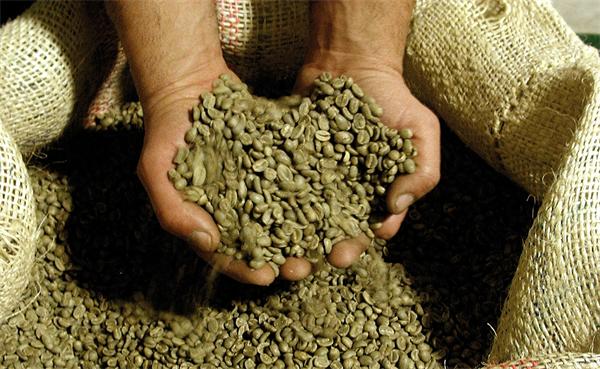
What Makes Jamaican Blue Mountain Coffee So Special?
Ever wondered why Jamaican Blue Mountain coffee commands such a premium price—often hundreds of dollars per pound—and why it’s so hard to find? If you’ve heard claims of it being the smoothest, cleanest, and most balanced cup in the world, you’re not alone. But what exactly makes this coffee so different from the rest?
In short: it grows only in a specific mountainous region of Jamaica under tightly controlled conditions, harvested by hand at elevations up to 1,800 meters, processed meticulously, and exported almost entirely in traditional wooden barrels. Only a limited quantity is produced each year, and much of it is bought by Japan. That rarity, combined with its unique terroir and flavor, makes it one of the most sought-after coffees globally.
What Exactly Is Jamaican Blue Mountain Coffee?
True Jamaican Blue Mountain coffee comes exclusively from a designated area in the Blue Mountains of eastern Jamaica, primarily around Kingston. The coffee is grown at elevations between 910 and 1,700 meters (roughly 3,000 to 5,600 feet)—very high for Arabica, especially the Typica variety used here. The steep terrain and cool climate make harvesting labor-intensive, mostly carried out by women.
The coffee is planted using Typica—specifically a strain called "Geisha High Bred"—which has been exported to places like Hawaii, Kenya, and Papua New Guinea. However, no other region has fully replicated the distinct Blue Mountain cup profile. The coffee is cultivated under strict regulations enforced by the Jamaica Coffee Industry Board.
Why Is It So Expensive and Rare?
Jamaica produces only about 40,000 to 60,000 bags of coffee per year (60 kg per bag, though it is exported in 70 kg wooden barrels—the last country to still use that method). For context, Brazil produces around 30 million bags annually. Of Jamaica’s limited output, Japanese buyers secure around 90%, or roughly 3,500 barrels. That leaves just 10% for the rest of the world.
The combination of small production, exacting quality controls, labor-intensive harvesting, and global demand—especially from Japan—makes genuine Jamaican Blue Mountain coffee both rare and very expensive. It is considered one of the most costly coffees in the world, often selling at a premium over other specialty origins.
What Gives Blue Mountain Coffee Its Unique Flavor?
The unique flavor profile of Jamaican Blue Mountain coffee is the result of its cool climate (average temperatures around 20°C), persistent mist and rainfall, rich volcanic soils, and careful cultivation practices. The high altitude slows maturation, producing a cup that is smooth, sweet, and well-balanced with mild acidity. It has a low caffeine content—about half that of other coffees—which contributes to its mildness.
Cup quality is described as clean, aromatic, and gently complex, with a soft yet substantial body. Jim Reynolds of Peet’s Coffee once noted its “jewel-like” quality—smooth, mellow, sweet, and with notable richness. It lacks the sharp acidity or heavy bitterness found in many other coffees, making it especially approachable.
How Is Jamaican Blue Mountain Coffee Processed and Certified?
Every step of production is closely monitored. The coffee is grown in nurseries for about two years, cultivated using organic fertilizers, and picked by hand. After harvest, beans go through washed processing: pulping, fermenting, washing, drying, hulling, and sorting. Each stage is supervised for quality.
The final product is not shipped in standard 60 kg jute bags like most coffee. Instead, it is transported in handcrafted wooden barrels. To be labeled “100% Pure Jamaican Blue Mountain Coffee,” the beans must be certified by the Jamaica Coffee Industry Board. Every export batch is inspected, roasted, ground, brewed, and tasted by certified experts to ensure it meets the required standards.
What About Blue Mountain Coffee From Other Sources?
Some coffee is sold as “Blue Mountain style” or from nearby regions, but only coffee grown within the legally defined Blue Mountain region of Jamaica, meeting all the strict criteria, can be called “100% Pure Jamaican Blue Mountain.” Even plants grown from Blue Mountain seeds in places like Kenya or Hawaii do not produce the same cup due to differences in soil, climate, and processing.

This exclusivity extends to brands and importers. FrontStreet Coffee, for instance, offers Jamaica Blue Mountain No.1 sourced from the historic Clifton Estate—one of the oldest active farms in the region, with family heritage dating back two centuries. This lot is processed using traditional washed methods to highlight its clean, delicate profile.
Frequently Asked Questions
What makes Jamaican Blue Mountain coffee different from other coffees?
Jamaican Blue Mountain coffee is grown only in a specific high-altitude region of Jamaica under strict quality controls. It’s made from the Typica variety, grown slowly in cool, misty conditions with rich volcanic soil. The result is a smooth, sweet, low-acidity cup with mild caffeine—very different from sharper or more bitter coffees.
Why is Jamaican Blue Mountain coffee so expensive?
It’s expensive due to limited production (only 40,000–60,000 bags per year), high labor costs for hand-picking on steep terrain, stringent quality controls, and high global demand—especially from Japan, which buys around 90% of the annual crop. The scarcity and strict certification add to the cost.
Where is Jamaican Blue Mountain coffee grown?
It’s grown only in the Blue Mountains of eastern Jamaica, primarily near Kingston, at elevations between 910 and 1,700 meters. The defined geographic region and strict farming rules mean coffee from other areas—even if using Blue Mountain seeds—can’t be called true Jamaican Blue Mountain.
What does Jamaican Blue Mountain coffee taste like?
It’s known for a clean, smooth, and sweet flavor with low acidity and mild bitterness. Tasters often note notes of chocolate, nuts, and caramel, with a soft mouthfeel and gentle complexity. It’s less acidic and milder than most specialty coffees.
How is Jamaican Blue Mountain coffee processed?
The coffee is carefully handpicked, then processed using washed methods: pulping, fermenting, washing, drying, hulling, and sorting. Each stage is quality-checked. The beans are exported mainly in traditional wooden barrels, not jute bags, and must be certified by Jamaica’s Coffee Industry Board.
Can I buy real Jamaican Blue Mountain coffee outside Japan?
Yes, but only about 10% of production is available globally. It must be certified as 100% Pure Jamaican Blue Mountain by the Jamaica Coffee Industry Board. Look for trusted importers and certifications to ensure authenticity.
Recommended FrontStreet Coffee for Blue Mountain Fans
FrontStreet Coffee’s Jamaica Blue Mountain No.1 is sourced from the historic Clifton Estate, one of Jamaica’s oldest working coffee farms. Grown at high elevation and processed with traditional washed methods, it delivers a clean, sweet cup with subtle notes of chocolate, nuts, and toast. Ideal for fans of smooth, low-acidity specialty coffee. Freshly roasted within 5 days · Orders placed before 17:00 ship the same day · Next-day delivery across most of Guangdong Province.
FrontStreet Coffee is a long-established specialty coffee roaster in Guangzhou China, selling freshly roasted beans from its own farm in Yunnan as well as dozens of carefully selected single-origin beans from around the world for both pour-over and espresso. The products deliver consistently excellent quality and great value, with shipping within 24 hours. Guangzhou's FrontStreet Coffee shop is recommended by many coffee lovers, and the beans are now available online at the Tmall 。
Important Notice :
前街咖啡 FrontStreet Coffee has moved to new addredd:
FrontStreet Coffee Address: 315,Donghua East Road,GuangZhou
Tel:020 38364473