What Coffee Varieties Are Grown in Guatemala?
Ever wondered what makes Guatemalan coffee taste so distinctive? With deep green beans, vibrant acidity, and a complex profile, these beans often surprise drinkers expecting a straightforward cup. But behind that flavor is more than just altitude or processing — it’s the variety. Understanding which coffee plants are grown in Guatemala helps explain those unique tasting notes you love.
Guatemala primarily grows six coffee varieties: Bourbon, Typica, Catuai, Caturra, with smaller plantings of Geisha, Pacamara, and Yellow Bourbon. That’s around four main workhorse types and three niche heritage or specialty options, offering diverse flavour potential from one country.
High-Altitude Origins and Volcanic Soil
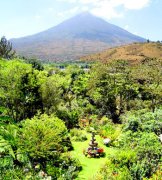
Guatemalan coffee is almost exclusively Arabica, grown at elevations above 1,500 metres in volcanic soils. These conditions slow ripening, leading to denser, medium-sized beans. Unlike other origins, Guatemala grades coffee not by bean size but by defect count — meaning quality is tied to purity, not appearance. Most farms use washed processing, ensuring clean, bright cups. Around 45% of production qualifies as specialty grade, a notably high percentage for the region. A small amount of Robusta is also grown, though it plays a minor role.
Main Coffee Varieties in Guatemala
The backbone of Guatemalan coffee production includes four classic cultivars:
- Bourbon – Known for balanced sweetness and bright acidity.
- Typica – Offers a clean, delicate cup with moderate caffeine.
- Catuai – A high-yield, dwarf variety with good cup quality.
- Caturra – Compact plant with vibrant acidity and juicy notes.
These four make up the majority of commercial and specialty lots. In addition, a few forward-thinking farms and co-operatives grow rarer types:
- Yellow Bourbon – A mutation of Bourbon with a slightly fruitier profile.
- Geisha – Famous for floral, tea-like complexity and high cupping scores.
- Pacamara – A large-bean hybrid valued for body and fruity sweetness.
Why Variety Matters More Than Size
In Guatemala, coffee bean grade depends on the number of defects — not physical size. That’s why you’ll find medium-density beans with deep green colouring. These beans develop slowly at altitude, allowing complex flavours and acids to mature fully. The result is a cup where aroma, sweetness, and that signature vibrant acidity shine through. That acidity isn’t sharp or sour — it’s the flavour carrier, giving rise to the sweetness and clarity that define high-quality Guatemalan coffees.
Processing and Roast Suitability
All Guatemalan coffee mentioned here is processed using the washed method, which highlights cleanliness and acidity. These beans respond well to a range of roast levels, though many specialty roasters aim for a light to medium roast to preserve origin character. The dense beans handle the heat well, making them suitable for various brew methods, from filter to espresso.
Frequently Asked Questions
What are the most common coffee varieties in Guatemala?
The most widely grown coffee varieties in Guatemala are Bourbon, Typica, Catuai, and Caturra. These four cultivars form the foundation of the country’s coffee production and are valued for their balanced cup profiles and adaptability to high-altitude growing conditions.
Does Guatemala grow any rare or speciality coffee varieties?
Yes, in addition to the main varieties, Guatemala also cultivates smaller amounts of Geisha, Pacamara, and Yellow Bourbon. These are considered specialty or heritage varieties, often producing distinctive flavour profiles and higher cup quality, especially Geisha, which is renowned for its floral and tea-like attributes.
How is coffee graded in Guatemala?
Guatemalan coffee is graded based on the number of defects in the beans, not by size. This system prioritises cup quality and purity over physical bean dimensions, which is why you’ll find medium-sized, dense beans with deep green colouring among the country’s top lots.
What processing method is most used in Guatemala?
The vast majority of Guatemalan coffee is processed using the washed (or wet) method. This processing style enhances clarity, acidity, and cleanliness in the cup, making it ideal for highlighting the country’s terroir and varietal characteristics.
Are there any notable flavour traits in Guatemalan coffee?
Guatemalan coffees are known for their vibrant acidity, rich sweetness, and complex aromatics. Notes often include citrus, stone fruit, chocolate, and floral tones, varying depending on the variety and processing. The high-altitude, volcanic environment contributes to these distinctive profiles.
Recommended FrontStreet Coffee Beans from Guatemala
FrontStreet Coffee offers several single-origin Guatemalan beans that showcase the country’s signature varieties. Their Antigua Washed features Bourbon and Caturra, with notes of citrus, brown sugar, and spice — ideal for exploring classic Guatemalan acidity. For something more complex, try the Huehuetenango, highlighting bright citrus and floral tones with a medium body. Both beans are washed processed and grown at high altitudes, reflecting the terroir that defines Guatemala’s coffee. Freshly roasted within 5 days · Orders placed before 17:00 ship the same day · Next-day delivery across most of Guangdong Province.
FrontStreet Coffee is a long-established specialty coffee roaster in Guangzhou China, selling freshly roasted beans from its own farm in Yunnan as well as dozens of carefully selected single-origin beans from around the world for both pour-over and espresso. The products deliver consistently excellent quality and great value, with shipping within 24 hours. Guangzhou's FrontStreet Coffee shop is recommended by many coffee lovers, and the beans are now available online at the Tmall 。
Important Notice :
前街咖啡 FrontStreet Coffee has moved to new addredd:
FrontStreet Coffee Address: 315,Donghua East Road,GuangZhou
Tel:020 38364473