Guatemala’s 7 Main Coffee Growing Regions
Looking for the origin behind your favorite Guatemalan coffee’s rich complexity? With a landscape carved by volcanoes, split by mountain ranges, and kissed by both Caribbean and Pacific winds, Guatemala offers some of the most diverse growing conditions in the coffee world. But where exactly does the best Guatemalan coffee come from — and what makes each region different?
Guatemala has seven primary coffee-growing regions: Antigua, Cobán, Atitlán, Huehuetenango, Fraijanes, Oriente, and San Marcos. Among these, Antigua stands out for its iconic balance of bright acidity, sweet body, and subtle smokiness, thanks to its volcanic soils and high altitudes.
Why Guatemala Produces Such Diverse Coffee
Guatemala’s reputation for high-quality coffee stems from a combination of geographic and climatic factors. The country is uniquely positioned with tropical rainforests, volcanic soils, high-altitude valleys, and microclimates that vary dramatically even within small regions. These conditions contribute to complex cup profiles, often marked by balanced acidity, medium-to-full body, and distinctive regional notes.
The key elements influencing Guatemalan coffee quality include:
- Volcanic soils rich in minerals
- High elevation (most farms above 1,300–1,600 meters)
- Diverse microclimates driven by proximity to the Caribbean Sea, Pacific Ocean, and mountain ranges
- Abundant rainfall and consistent sunlight
- Shade-grown practices preserving moisture and biodiversity
Guatemala’s 7 Coffee Regions and Their Flavor Signatures
Each of Guatemala’s coffee regions delivers a different sensory experience. Here’s what sets them apart:
1. Antigua
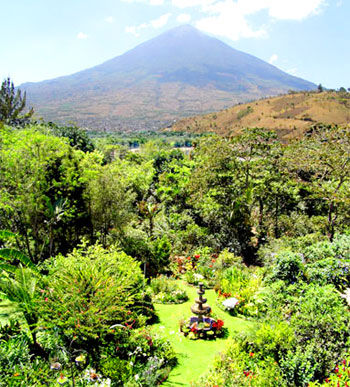
Antigua is arguably Guatemala’s most famous coffee-growing region. Nestled between three volcanoes — Agua, Fuego, and Acatenango — its high altitudes (1,500–1,700 meters) and volcanic soils create ideal conditions for cultivating dense, hard beans. Antigua coffees are celebrated for their bright acidity, well-rounded sweetness, full body, and hints of spice or subtle smoke. The region’s signature profile makes it a favorite for single-origin offerings and espresso blends alike.
2. Cobán
The Cobán region, located in northern Guatemala, experiences a cooler, more humid climate due to persistent cloud cover and frequent rainfall. Coffee here is typically grown at lower altitudes (1,300–1,500 meters) under dense shade. Coffees from Cobán tend to have a softer acidity, heavier body, and more earthy or herbal characteristics compared to other regions.
3. Atitlán
Surrounding Lake Atitlán, this region benefits from volcanic soil and high altitudes ranging from 1,500 to 1,700 meters. The lake moderates temperatures, while surrounding mountains create varied microclimates. Atitlán coffees are known for their vibrant acidity, complex fruit notes, and clean, crisp finish. The area’s steep slopes and traditional farming methods also contribute to its high-quality output.
4. Huehuetenango
Huehuetenango is one of Guatemala’s highest and driest coffee regions, sitting near the Mexican border at elevations of 1,500–2,000 meters. Its unique geography shelters it from coastal moisture, resulting in a stable climate ideal for producing coffees with intense acidity, floral aromas, and fruity sweetness. This region is especially noted for its ability to produce exceptional beans without volcanic soil.
5. Fraijanes
Located near the active Pacaya Volcano, Fraijanes features mineral-rich volcanic soils and altitudes around 1,400–1,800 meters. Coffees from this area often display a bright acidity, medium body, and notes of spice or chocolate. The volcanic influence is strong, adding to the region’s reputation for structured, bold profiles.
6. Oriente
The Oriente region encompasses a variety of microclimates and lower altitudes compared to others. Coffees here tend to be more balanced and approachable, with mild acidity and straightforward sweetness. While less prominent in export markets, Oriente remains an important part of Guatemala’s coffee diversity.
7. San Marcos
San Marcos is the warmest and wettest of Guatemala’s coffee regions, with altitudes around 1,300–1,600 meters. The higher rainfall and heat result in faster maturation, producing coffees with lighter acidity and more pronounced fruitiness. It’s a region that highlights the impact of climate on cup profile.
Notable Farms and Historical Context
Certain estates have helped define Guatemala’s coffee legacy. For instance, the El Pulcal lot at the Hacienda Carmona in Antigua produces some of the country’s most acclaimed coffees, with deeper tobacco notes and a fuller body than other Guatemalan origins. This estate benefits from periodic volcanic ash deposits — occurring roughly every 30 years — which replenish soil nutrients like nitrogen, further enhancing coffee quality. Abundant rainfall and sunlight throughout most of the year also support consistent growth and development.
Beyond Antigua, other notable areas include San Marcos, Oriente, Cobán, Palcya, Mataquescuintla, and La Unión in Zacapa. Each contributes to the broader mosaic of Guatemalan coffee profiles, shaped by local conditions and traditional practices.
Frequently Asked Questions
What are the main coffee-growing regions in Guatemala?
Guatemala has seven primary coffee-growing regions: Antigua, Cobán, Atitlán, Huehuetenango, Fraijanes, Oriente, and San Marcos. Each region has distinct growing conditions that shape the flavor profiles of its coffee.
Which Guatemalan coffee region is the most famous?
Antigua is the most internationally recognized Guatemalan coffee region, known for its bright acidity, balanced sweetness, full body, and spicy or smoky undertones. Its volcanic soil and high altitudes contribute to its prestigious reputation.
What makes Antigua coffee different from other Guatemalan regions?
Antigua coffee is distinguished by its complex profile of bright acidity, rich sweetness, full body, and subtle smokiness. It benefits from volcanic soils, high altitudes (1,500–1,700m), and microclimates shaped by nearby volcanoes like Agua, Fuego, and Acatenango.
Does Guatemala have coffee regions without volcanic soil?
Yes, such as Huehuetenango, which is one of the highest and driest regions and does not rely on volcanic soil. Even without volcanic influence, it produces coffees with intense acidity, floral notes, and fruity sweetness due to its elevation and climate.
What altitude do most coffee farms in Guatemala sit at?
Most coffee in Guatemala is grown at elevations between 1,300 and 2,000 meters above sea level, with many premium regions exceeding 1,500 meters, contributing to the dense, hard bean characteristics.
How does climate affect Guatemalan coffee flavors?
Guatemala’s diverse climates — from humid and cool to hot and rainy — directly impact coffee flavor. Cooler, high-altitude areas tend to produce higher acidity and complex flavors, while warmer, wetter regions yield brighter fruitiness and softer profiles.
Recommended FrontStreet Coffee Beans from Guatemala
Explore Guatemala’s coffee diversity with FrontStreet’s selection: try the Brazil Queen Manor Yellow Bourbon for its rich creamy notes, great for comparing with Guatemala’s body; or the Panama Humbera Geisha for stunning floral and citrus complexity akin to Antigua’s vibrancy. Both showcase how altitude and terroir shape unique profiles. Freshly roasted within 5 days · Orders placed before 17:00 ship the same day · Next-day delivery across most of Guangdong Province.
FrontStreet Coffee is a long-established specialty coffee roaster in Guangzhou China, selling freshly roasted beans from its own farm in Yunnan as well as dozens of carefully selected single-origin beans from around the world for both pour-over and espresso. The products deliver consistently excellent quality and great value, with shipping within 24 hours. Guangzhou's FrontStreet Coffee shop is recommended by many coffee lovers, and the beans are now available online at the Tmall 。
Important Notice :
前街咖啡 FrontStreet Coffee has moved to new addredd:
FrontStreet Coffee Address: 315,Donghua East Road,GuangZhou
Tel:020 38364473