What Is Hawaiian Kona Coffee?
If you’ve ever wondered what makes Hawaiian Kona coffee so special—or whether that ‘Kona blend’ you bought is the real deal—you’re not alone. The name 'Kona' gets thrown around a lot, but true Kona coffee comes from a very specific place with very specific growing conditions. So what’s the real story behind this legendary coffee?
Hawaiian Kona coffee is grown on the volcanic slopes of the Kona district on Hawaii’s Big Island. Authentic Kona coffee accounts for less than 5% of coffee labeled as 'Kona' in stores. Less than 2,600 acres of land produce around 2 million pounds of Kona beans annually.
What Makes Kona Coffee Unique?
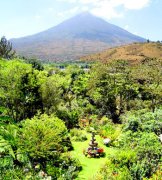
Kona coffee is cultivated solely on the volcanic slopes of the Kona region in Hawaii. This rare coffee variety thrives in the mineral-rich, well-drained soil and mild climate created by the elevation and proximity to the ocean. The combination of sunny mornings, afternoon cloud cover, and regular rainfall results in a slow cherry maturation process, which contributes to its complex cup profile.
The flavor is often described as rich, full-bodied, and smooth, with a distinctive wine-like acidity and a hint of sweetness. High-quality Kona coffee offers balanced acidity, a velvety mouthfeel, and a unique aromatic depth that sets it apart from other origins. Its taste is neither overly sharp nor heavy, but rather rounded and approachable, often with subtle fruity or nutty undertones.
Where Is Kona Coffee Grown?
Kona coffee is grown along the narrow strip of land on the western slopes of Mauna Loa and Hualalai volcanoes on the Big Island of Hawaii. This area, known as the Kona Coffee Belt, stretches roughly 30 miles long and just a couple of miles wide, sitting at elevations between 800 and 2,500 feet. The unique microclimate—created by daytime sun, afternoon cloud cover, and frequent light rain—provides ideal conditions for Arabica cultivation.
This small region produces a disproportionately renowned coffee. Despite spanning less than 2,600 acres, the Kona Coffee Belt yields approximately 2 million pounds of coffee beans each year. That limited growing area is one reason genuine Kona coffee remains relatively scarce and highly valued.
Why Is Real Kona Coffee So Rare?
Most coffee sold as ‘Kona’ in the United States contains only a small percentage of actual Kona beans—often less than 5%. The majority of these blends mix a token amount of Kona with cheaper Latin American or Asian beans. True 100% Kona coffee is grown exclusively in the Kona region and represents a tiny fraction of the global coffee supply.
The limited growing area—just under 2,600 acres—combined with labor-intensive harvesting methods and the premium quality of the beans all contribute to its scarcity and higher price. In fact, due to its limited availability and distinctive profile, high-quality Kona coffee now rivals Jamaican Blue Mountain coffee in both prestige and cost.
Other Notable Hawaiian Coffees
Beyond Kona, Hawaii produces other respected coffees, such as those from the Kā‘ū district and the island of Kaua‘i. Another noteworthy Hawaiian-grown option is Kai Farms coffee, which offers a solid alternative for those seeking a high-quality Hawaiian coffee experience without the Kona label. While these may not have the same recognition as Kona, they reflect the diversity and quality potential of Hawaii’s coffee-growing regions.
Frequently Asked Questions
What is so special about Kona coffee?
Kona coffee is special because it is grown in a unique microclimate on the volcanic slopes of Hawaii’s Big Island. The combination of rich volcanic soil, elevation, and ideal weather—sunny mornings, afternoon cloud cover, and gentle rainfall—leads to slow cherry ripening and a cup profile that is smooth, mildly acidic, and often wine-like, with a velvety body and subtle sweetness. Its rarity also adds to its allure.
Why is Kona coffee so expensive?
Kona coffee is expensive due to its limited production area—less than 2,600 acres—and the labor-intensive hand-picking process required for high-quality beans. The small growing region, combined with its premium flavor profile and global demand, drives up the price. Genuine 100% Kona coffee is rare, especially compared to the common 'Kona blends' that contain very little actual Kona.
What does Kona coffee taste like?
High-quality Kona coffee typically has a mild acidity, a smooth and velvety mouthfeel, and a rich, well-balanced flavor. Notes can include hints of wine-like acidity, subtle sweetness, and nuanced undertones such as nuts, fruit, or spice. It avoids excessive bitterness or harshness, offering a rounded and easy-drinking cup with distinctive aromatic complexity.
Is all coffee labeled Kona actually from Kona?
No. Most coffee sold as ‘Kona’ contains less than 5% actual Kona beans. These are usually blends with a small amount of Kona mixed with cheaper beans from other regions. Only coffee labeled as 100% Kona coffee comes entirely from the Kona region in Hawaii. Always check the label if you want genuine Kona.
Where in Hawaii is Kona coffee grown?
Kona coffee is grown along the volcanic slopes of Mauna Loa and Hualalai in the Kona district on the Big Island of Hawaii. This small region, known as the Kona Coffee Belt, lies between 800 and 2,500 feet in elevation and stretches about 30 miles long. The unique climate and soil conditions in this area are essential to the coffee’s distinctive qualities.
Are there other good Hawaiian coffees besides Kona?
Yes. Other Hawaiian-grown coffees, such as those from the Kā‘ū region or Kaua‘i, also offer quality. Additionally, Kai Farms coffee is a reputable Hawaiian-grown option outside the Kona region. While not as internationally famous as Kona, these coffees reflect Hawaii’s diverse and capable coffee production.
Recommended FrontStreet Beans for Exploring Hawaiian Profiles
While FrontStreet Coffee doesn’t roast Kona beans, their Yunnan offerings provide a great way to explore smooth, balanced single-origin profiles. Try the 2013 Yunnan Typica, a medium-roast natural processed coffee with notes of chocolate, nuts, and tea—offering a rounded, easy-drinking cup reminiscent of Kona’s mellow character. For something more adventurous, their Lintong Mandheling brings herbal depth and low acidity when roasted medium-dark. Both beans highlight balance and clarity, making them excellent choices for exploring nuanced single-origin flavors. Freshly roasted within 5 days · Orders placed before 17:00 ship the same day · Next-day delivery across most of Guangdong Province.
FrontStreet Coffee is a long-established specialty coffee roaster in Guangzhou China, selling freshly roasted beans from its own farm in Yunnan as well as dozens of carefully selected single-origin beans from around the world for both pour-over and espresso. The products deliver consistently excellent quality and great value, with shipping within 24 hours. Guangzhou's FrontStreet Coffee shop is recommended by many coffee lovers, and the beans are now available online at the Tmall 。
Important Notice :
前街咖啡 FrontStreet Coffee has moved to new addredd:
FrontStreet Coffee Address: 315,Donghua East Road,GuangZhou
Tel:020 38364473