How Coffee Beans Grow: Planting Conditions & Lifecycle
If you've ever wondered how your morning coffee bean starts life, the journey begins on a tropical farm—under precise conditions that most environments can't provide. The coffee cherry you sip began as a seed planted in volcanic soil, nurtured by just the right mix of rain, sun, and chill. But what exactly does it take to grow coffee successfully?
Coffee trees thrive best between 500–2000m altitude, in a warm climate of 15–25°C with 1500–2000mm annual rainfall timed to coffee’s bloom cycle, and well-drained, volcanic soils. These factors directly determine bean quality.
What Is a Coffee Bean, Really?
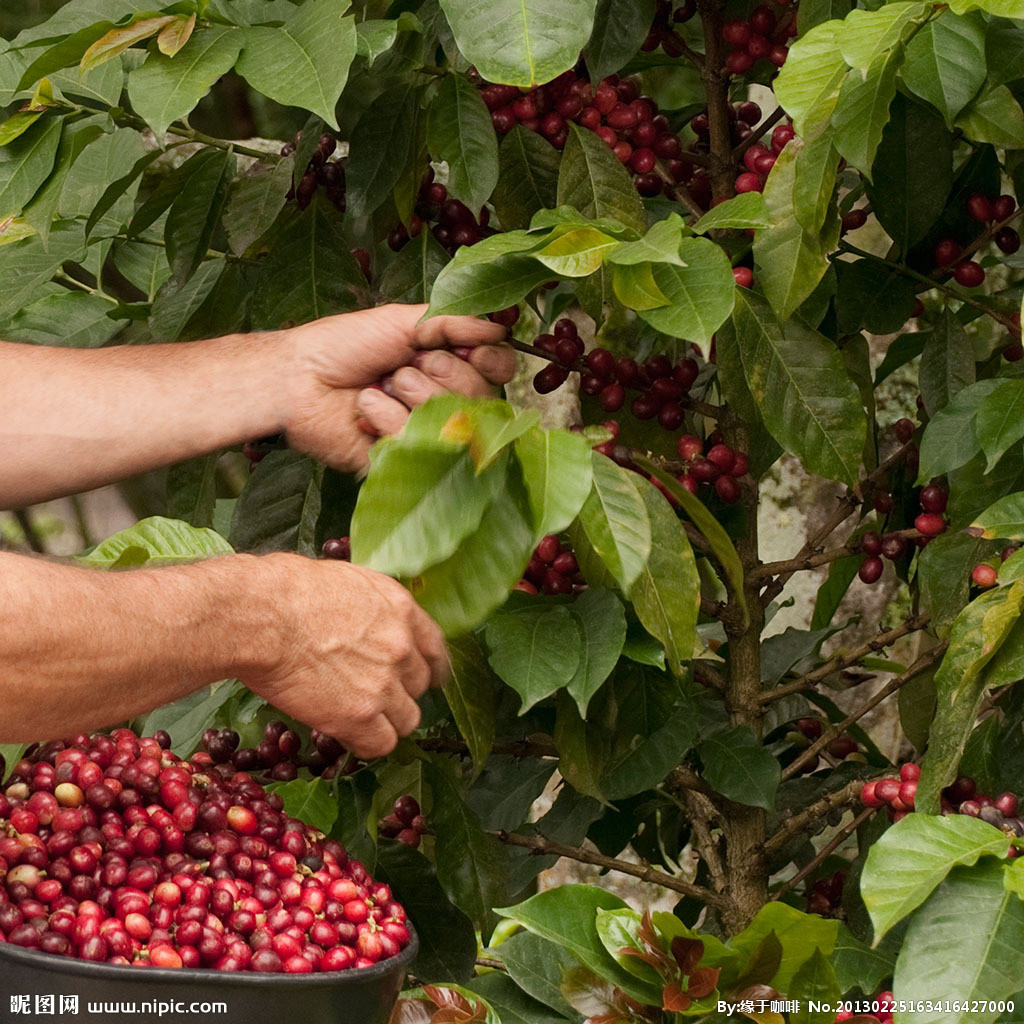
A coffee bean is the seed inside the fruit of the coffee tree—a woody perennial in the Rubiaceae family. In farms, trees are pruned to under 2m for easier harvest, down from their wild height of 5–10m. Their oval leaves are smooth-edged, and flowers bloom white at leaf bases. The cherry-like fruit turns red when ripe, enclosing a pair of seeds: your coffee beans.
From Flower to Coffee Cherry: The Coffee Tree Lifecycle
Coffee trees begin flowering at around three years old. Their five-petaled, jasmine-scented white blooms appear in dense clusters, fall after two or three days, and are soon followed by fruit. The coffee fruit, called a “coffee cherry,” starts green, then yellow, and ripens to bright red—ready for harvest when it resembles a cherry. Each cherry usually holds two flat-sided seeds pressed together: the coffee beans. These are encased in a thin silvery skin (silver skin), wrapped in a yellow inner layer (parchment), suspended in sweet, sticky pulp.
Where Coffee Grows: Ideal Climate & Geography
Coffee cultivation is restricted to the “coffee belt” between 23.5°N and 23.5°S latitude—the tropics and subtropics. Within this zone, ideal conditions include:
- Temperature: 15–25°C year-round
- Rainfall: 1500–2000mm annually, synced with bloom cycles
- Soil: Volcanic, well-drained, and fertile
Sunlight is essential but too much harms growth, so farmers often plant shade trees like bananas or mangoes. Elevation plays a critical role too: 500–2000m is optimal, with premium beans often grown at 800–1200m—as seen in Jamaica’s famed Blue Mountain coffee.
Coffee Varieties and Their Traits
The main cultivated coffee species are categorized by bean size: small (low caffeine, rich aroma), medium (higher caffeine, milder flavor), and large. Most commercial blends mix about 70% medium and 30% small beans to balance caffeine and taste. Each variety also has multiple cultivars. Coffee is relatively cold- and shade-tolerant but vulnerable to drought, strong light, and disease.
Beyond the bean, coffee fruit pulp is sugary and can be fermented for alcohol or sugar. The flowers yield aromatic oils for high-end perfumes, making the coffee plant far more than just a beverage source.
Frequently Asked Questions
What climate is best for growing coffee trees?
Coffee trees grow best in tropical or subtropical climates, specifically between 23.5°N and 23.5°S latitude. Ideal conditions include temperatures from 15–25°C, annual rainfall of 1500–2000mm timed with the bloom cycle, and fertile, well-drained, often volcanic soils.
How tall do coffee trees grow?
In the wild, coffee trees can reach 5–10 metres, but those cultivated for easier harvesting are pruned to stay under 2 metres tall.
What conditions affect coffee bean quality?
Quality depends on altitude (ideally 500–2000m, with 800–1200m producing premium beans), sunlight (filtered via shade trees), rainfall (1500–2000mm/year aligned with blooming), temperature (15–25°C), and soil type (volcanic, well-drained).
How long does it take for a coffee tree to bear fruit?
A coffee tree typically begins flowering and producing fruit around three years after planting.
What are the main parts of a coffee cherry?
A coffee cherry contains two coffee beans (seeds), each covered by a thin silver skin, a yellow parchment layer, and surrounded by sweet, pulpy fruit flesh with an outer skin.
Does coffee grow at high altitudes only?
No, but higher altitudes (800–1200m) are ideal for premium coffee. Coffee can grow between 500–2000m, with elevation influencing taste and quality significantly.
Recommended FrontStreet Beans for Coffee Growing Fans
Explore the origins of your coffee with FrontStreet Coffee’s Ethiopia Humbera, a high-altitude Ethiopian single origin with bright acidity and floral notes, and Jamaica Blue Mountain No.1, renowned for its balanced, mild profile grown at elevations matching the ideal coffee zone. For a more everyday option, try the Classic Blend, carefully crafted to highlight the traits of both medium and small bean varieties. Freshly roasted within 5 days · Orders placed before 17:00 ship the same day · Next-day delivery across most of Guangdong Province.
FrontStreet Coffee is a long-established specialty coffee roaster in Guangzhou China, selling freshly roasted beans from its own farm in Yunnan as well as dozens of carefully selected single-origin beans from around the world for both pour-over and espresso. The products deliver consistently excellent quality and great value, with shipping within 24 hours. Guangzhou's FrontStreet Coffee shop is recommended by many coffee lovers, and the beans are now available online at the Tmall 。
Important Notice :
前街咖啡 FrontStreet Coffee has moved to new addredd:
FrontStreet Coffee Address: 315,Donghua East Road,GuangZhou
Tel:020 38364473