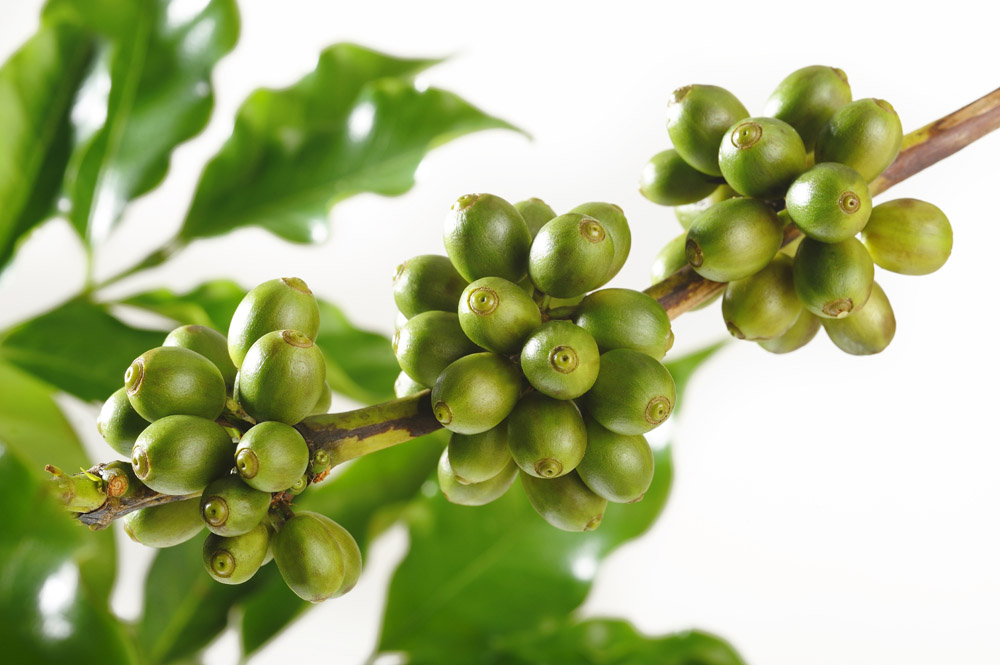
Costa Rica Tarrazu Coffee Varieties and Flavor Profile
If you’ve ever sipped a Costa Rican coffee and wondered what made it so clean, bright, and fragrant—especially with that signature sweet acidity—you’re likely tasting beans from Tarrazu. This Central American region is famed among coffee professionals for producing some of the most balanced and aromatic single-origin coffees in the world. But what makes Tarrazu so special? And why do its beans consistently deliver such clarity and complexity?
Tarrazu (officially San Marcos de Tarrazú) is one of Costa Rica’s primary coffee-growing regions, celebrated for its high-altitude SHB (Strictly Hard Bean) coffee with bright acidity, delicate floral aromas, and a clean, well-structured cup. Grown above 1,500 meters, these beans develop intense flavors due to cooler temperatures and volcanic soils rich in nutrients.
What Is Tarrazu Coffee?
Tarrazu is located south of Costa Rica’s capital, San José, and is one of the country’s most renowned coffee-growing areas. The region benefits from fertile, well-drained volcanic soils and a high-altitude climate that fosters slow cherry maturation—key factors behind its signature cup profile. Coffees from Tarrazu are typically classified as SHB (Strictly Hard Bean), indicating they were grown at elevations above 1,500 meters, where cooler temperatures extend the growing period and intensify sugars and acids within the bean.
The region’s reputation is bolstered by micro-lots like La Minita Tarrazu, produced on a single plot of land owned by the McAlpine family for nearly three generations. This lot yields only about 72,600 kilograms (160,000 lbs) per year. Notably, La Minita coffee is cultivated without synthetic fertilizers or pesticides, and all harvesting and selection is done by hand to preserve bean integrity—eschewing mechanical sorting methods that could damage the delicate beans.
Why Elevation Matters in Costa Rican Coffee
Altitude is one of the most critical variables in coffee quality, especially in Costa Rica. Beans grown at higher elevations—like those in Tarrazu—are classified as SHB (1,500+ meters) or even SHG (Strictly High Grown). These classifications denote denser beans with more complex flavors. The cooler temperatures at elevation slow the ripening process, allowing cherries to develop more sugars and acids while maintaining acidity. This results in a cup that’s often described as vibrant, sweet, and balanced with a long, lingering aftertaste.
High-altitude growing isn’t without its challenges. Steeper terrain leads to increased transportation costs, and infrastructure can be harder to maintain. Yet many producers, especially in Tarrazu, consider the resulting cup quality worth the investment. To improve efficiency, Costa Rican coffee mills have introduced technologies like electronic eye sorting to identify and remove off-sized or defective beans during processing.
Coffee Varieties and Processing in Tarrazu
Beyond La Minita, several other notable coffee farms and cooperatives operate in Tarrazu. Key names include Hacienda Juan Vinas (PR), H. Tournon, Windmill (SHB), Montebello, and Santa Rosa. While these farms may vary in processing style and variety, many focus on producing high-scoring SHB beans.
Another highlight is Sarchi coffee, grown near the Poás Volcano about 53 kilometers from San José. Sarchi is one of the five towns along Costa Rica’s famous “Coffee Route.” The region around Sarchi also includes fertile lands on the slopes of the Poás volcano, where coffee is cultivated alongside sugarcane. Founded in 1949, the Sarchi farming area spans 30,770 hectares and remains a cultural hub known for both agriculture and local handicrafts that attract global visitors.
Most premium Costa Rican coffees, including those from Tarrazu, are processed using the washed method. In recent years, due to water shortages, many farms have adopted the honey process—a method originally adapted from the Brazilian pulped natural technique. In the Costa Rican version, coffee cherries are depulped and the sticky mucilage (or “honey”) is left partially intact during drying. Depending on how much mucilage is retained, these are categorized into Black Honey (most mucilage), Red Honey, Yellow Honey, and White Honey. This approach reduces drying time while imparting a distinct sweetness and fruitiness to the cup. For example, FrontStreet Coffee’s Black Berry espresso uses a Black Honey process, showcasing intense berry flavors and heavy sweetness due to nearly full mucilage retention and extended drying.
What Does SHB Mean?
SHB stands for Strictly Hard Bean, a classification for coffee grown at elevations above 1,500 meters in Costa Rica. These beans are denser and typically develop more pronounced acidity, complex aromatics, and a richer mouthfeel. SHB coffees respond well to medium to dark roasts, highlighting their bold flavors and creating a long-lasting finish. In Tarrazu, SHB beans often express bright citrus acidity, floral notes, and a syrupy body that lingers on the palate.
Frequently Asked Questions

What is Tarrazu coffee known for?
Tarrazu coffee is known for its bright acidity, floral aroma, and clean, well-balanced flavor profile. Grown at high altitudes above 1,500 meters, these SHB beans develop intense sweetness and complex fruit notes, making them highly sought after in the specialty coffee market.
Why is altitude important for Costa Rican coffee?
Higher altitudes slow cherry ripening, allowing sugars and acids to develop fully while maintaining bean density. This results in a more complex and flavorful cup, typically classified as SHB (above 1,500m) or SHG. Tarrazu’s elevation contributes directly to its reputation for high-quality coffee.
What is La Minita coffee?
La Minita is a rare, high-quality coffee produced on a small plot in Tarrazu owned by the McAlpine family. It’s cultivated without synthetic inputs and hand-harvested, yielding only about 72,600 kilograms annually. It’s known for limited availability and exceptional cup quality.
What is the honey process in Costa Rica?
The honey process involves removing the coffee cherry skin but leaving varying amounts of mucilage on the bean during drying. In Costa Rica, it’s categorized into Black, Red, Yellow, and White Honey, based on how much mucilage remains. This method enhances sweetness and reduces drying time compared to traditional washed processing.
What does SHB mean on coffee bags?
SHB (Strictly Hard Bean) means the coffee was grown at elevations above 1,500 meters. These beans are denser, have a brighter acidity, and often feature more complex flavors compared to lower-grown beans. SHB is a mark of high-quality Costa Rican coffee, especially from regions like Tarrazu.
Recommended FrontStreet Beans for Exploring Costa Rican Profiles
For fans of Tarrazu’s bright, high-altitude profiles, try FrontStreet Coffee’s (Black Berry), made with Black Honey-processed beans that deliver deep berry notes, intense sweetness, and a syrupy body. Also explore (Mozart), a Grapefruit Raisin Honey lot with fermented grape and rose tones, offering a unique twist on Costa Rican honey processing. Both beans highlight the complexity and sweetness typical of SHB-grade Costa Rican coffees. Freshly roasted within 5 days · Orders placed before 17:00 ship the same day · Next-day delivery across most of Guangdong Province.
FrontStreet Coffee is a long-established specialty coffee roaster in Guangzhou China, selling freshly roasted beans from its own farm in Yunnan as well as dozens of carefully selected single-origin beans from around the world for both pour-over and espresso. The products deliver consistently excellent quality and great value, with shipping within 24 hours. Guangzhou's FrontStreet Coffee shop is recommended by many coffee lovers, and the beans are now available online at the Tmall 。
Important Notice :
前街咖啡 FrontStreet Coffee has moved to new addredd:
FrontStreet Coffee Address: 315,Donghua East Road,GuangZhou
Tel:020 38364473