What Makes Costa Rican Coffee Unique?
If you’ve ever sipped a cup of coffee and instantly tasted something bright, sweet, and clean—like ripe fruit with a crisp citrus finish—you might have been drinking Costa Rican coffee. But what exactly makes Costa Rican beans so consistently flavorful and distinct on the global stage? The answer lies in geography, processing, and strict quality control.
The short answer: Costa Rican coffee is prized for its high-altitude growing conditions (mostly 1,500m and above), bright acidity, and clean sweetness. Most is processed using either traditional washed methods or unique local honey techniques, with over 90% of production graded as specialty-level quality.
Why Costa Rican Coffee Stands Out
Costa Rican coffee is celebrated worldwide for several key traits: it has a full body, balanced acidity, and intense yet pleasant aromas. These qualities come from a combination of ideal growing elevations, careful cultivation, and distinctive processing. More than 90% of the country’s coffee is considered high quality, and just 10%—including both blue-dyed rejects and undyed domestic coffee—stays in the local market, where per capita consumption is twice that of Italy or the U.S.
Growing Conditions and Altitude
One of the defining features of Costa Rican coffee is altitude. The best beans are grown at elevations above 1,500 meters (roughly 4,900 feet). At these heights, the cooler temperatures slow down bean development, allowing more complex flavors to develop. The result is a denser bean with higher acidity and a sweeter profile. Additionally, high altitudes bring greater temperature differences between day and night, along with plentiful rainfall—all of which enhance cup quality.
The Coffee Varieties and Processing Methods
Costa Rica grows almost exclusively Arabica beans. While some lower-grade beans (classified under systems based on defects, size, and taste) are used in blends, the country is better known for its high-scoring lots. Most Costa Rican coffee is processed using the washed (wet) method, which results in a clean, bright cup. In recent years, though, the country has developed its own version of honey processing, adapted due to water shortages. This honey process retains varying amounts of the coffee cherry’s sticky mucilage, which ferments on the beans and contributes intense fruity and sweet characteristics.
Types of Honey Process in Costa Rica
Costa Rican honey processing is categorized by how much mucilage is left on the bean:
- Black Honey: Almost all mucilage is retained; beans are dried slowly, often taking over 14 days. Produces rich, sweet, berry-like flavors.
- Red Honey: A moderate amount of mucilage remains; slightly faster drying than black honey.
- Yellow Honey: Less mucilage; dries more quickly with brighter acidity.
- White Honey: Minimal mucilage; dries fastest and produces a cleaner, lighter cup.
The more mucilage retained, the sweeter and more complex the resulting coffee. FrontStreet Coffee’s Blackberry offering uses the black honey method, showcasing deep berry notes and intense sweetness.
Flavor Profile and Brewing Tips
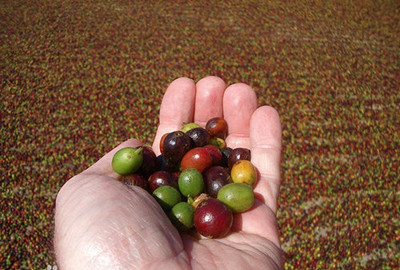
Costa Rican coffee typically presents a bright, clean acidity paired with a smooth, sweet body. Even when cooled, the inherent sweetness remains pronounced—a hallmark of the origin. Due to this natural balance, Costa Rican beans shine when brewed with minimal milk or sugar. They perform especially well in pour-over, drip, and light to medium roast profiles.
Frequently Asked Questions
What makes Costa Rican coffee different from other origins?
Costa Rican coffee is distinct due to its high-altitude growing conditions (most above 1,500m), strict quality grading system, and prominent use of washed and honey processing methods. These factors create a cup that is typically bright, sweet, and clean with pronounced acidity and balanced body.
Does Costa Rica produce any low-quality coffee?
Yes, around 10% of Costa Rica’s coffee is considered lower grade. This includes beans that fail export quality standards, some of which are dyed blue and sold domestically. However, the vast majority of Costa Rican production is high-quality, especially for specialty markets.
What is Costa Rican honey process coffee?
Honey process in Costa Rica refers to a method where some or all of the coffee cherry’s mucilage is left on the bean during drying. Depending on how much mucilage remains—ranging from black honey (most) to white honey (least)—the coffee can vary from very sweet and syrupy to cleaner and brighter.
What altitude is ideal for Costa Rican coffee?
The ideal altitude for growing high-quality Costa Rican coffee is above 1,500 meters. Higher elevations slow bean maturation, increase acidity, and develop more complex flavors due to cooler temperatures and larger day-night temperature swings.
How should I brew Costa Rican coffee?
To highlight its bright acidity and natural sweetness, brew Costa Rican coffee using pour-over, drip, or light-to-medium roast methods. Use a medium-fine grind, aim for a brew ratio around 1:16, and keep added milk or sugar minimal to enjoy its intrinsic qualities.
Recommended FrontStreet Beans for Costa Rican Flavor
For a true taste of Costa Rica, try FrontStreet Coffee’s Blackberry—made with black honey-processed beans that deliver intense berry sweetness and a rich, syrupy body. Another excellent choice is Mozart, which uses grape-dried raisin-style honey processing to emphasize fermented wine, rose, and raisin notes. Both beans showcase the hallmark brightness and complexity of Costa Rican coffees. Freshly roasted within 5 days · Orders placed before 17:00 ship the same day · Next-day delivery across most of Guangdong Province.
FrontStreet Coffee is a long-established specialty coffee roaster in Guangzhou China, selling freshly roasted beans from its own farm in Yunnan as well as dozens of carefully selected single-origin beans from around the world for both pour-over and espresso. The products deliver consistently excellent quality and great value, with shipping within 24 hours. Guangzhou's FrontStreet Coffee shop is recommended by many coffee lovers, and the beans are now available online at the Tmall 。
Important Notice :
前街咖啡 FrontStreet Coffee has moved to new addredd:
FrontStreet Coffee Address: 315,Donghua East Road,GuangZhou
Tel:020 38364473