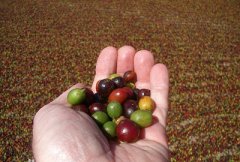
Costa Rica Tarrazú Coffee: What Makes It Unique?
When coffee drinkers seek a bright, clean cup with balanced acidity and a sweet finish, they often turn to Costa Rica—and more specifically, the Tarrazú region. But what makes this particular area stand out among Central America’s top coffee-growing zones? The answer lies not just in altitude or processing, but in a combination of geography, strict quality controls, and traditional farming methods that have evolved with technology.
The key to Tarrazú’s reputation? Coffee grown at elevations above 1,500 meters classified as Strictly Hard Bean (SHB), resulting in denser beans with more complex flavors. The region’s volcanic soil, excellent drainage, and cool temperatures further refine the cup profile.
What Is Tarrazú Coffee?
Tarrazú is one of Costa Rica’s primary coffee-growing regions, located south of the capital, San José. It is internationally recognized for producing coffee with a light, pure flavor and pronounced aromatics. The area benefits from rich, well-drained volcanic soils—a legacy of the country’s volcanic landscape—which are ideal for coffee cultivation. In fact, Costa Rica was the first country in Central America to plant coffee and bananas at scale for commercial export, with both remaining vital to its economy.
Why Does Elevation Matter in Costa Rican Coffee?
Coffee beans grown at higher altitudes, such as those above 1,500 meters in Tarrazú, are classified as SHB (Strictly Hard Bean) or, in local terms, “” (te ying dou). These beans develop more slowly in the cooler temperatures, leading to greater density and more concentrated sugars. The elevated terrain also results in increased rainfall, which supports healthy tree growth. However, the remoteness of high-altitude farms can increase transportation costs, sometimes affecting profitability. To maintain efficiency, many Costa Rican producers now use advanced sorting technologies, including electronic eye sorting systems that identify and remove misshapen or defective beans.
La Minita: A Legendary Tarrazú Coffee
Among the most renowned coffees from Tarrazú is La Minita Tarrazú, produced on a small plot of land called La Minita. Owned by the British McAlpine family for nearly three generations, this plot has the capacity to yield over 450 tons of coffee annually. However, La Minita Tarrazú is made in limited quantities—around 72,600 kilograms per year—and is cultivated without synthetic fertilizers or pesticides. Harvesting and selection are done entirely by hand to preserve bean integrity, avoiding the potential damage caused by mechanical air classification. This dedication to quality has made La Minita Tarrazú a sought-after single-origin offering in specialty markets.
Other Notable Coffee Varieties from Costa Rica
Beyond Tarrazú, several other Costa Rican coffees deserve attention. These include:
- Juan Vinas (PR)
- H. Tournon
- Windmill (SHB)
- Montebello
- Santa Rosa
High-quality beans are also grown in the regions of Heredia and the Central Valley. One standout is Sarchi coffee, produced near the Poás Volcano, about 53 kilometers from San José. Sarchi is one of the five towns that make up Costa Rica’s famous “Coffee Route.” The coffee is cultivated on a 30,770-hectare estate originally dedicated to both sugarcane and coffee. The Sarchi area is also known for its local handicrafts, drawing tourists from around the globe.
How Costa Rica Processes Its Coffee
Costa Rica initially relied on traditional washed processing. However, due to water shortages, producers adapted a modified version of Brazil’s pulped natural method into what is now the country’s signature honey process. This technique removes the coffee cherry skin and pulp but leaves varying amounts of mucilage (fruit pulp) on the beans during drying. The result is a sweeter, fruitier cup with more complex flavors compared to traditional washed coffee. The amount of mucilage left on the bean—and the duration of fermentation—influences the final flavor and color, leading to classifications such as Black Honey, Red Honey, Yellow Honey, and White Honey. These variations offer distinct profiles from intense berry notes to lighter, floral tones.
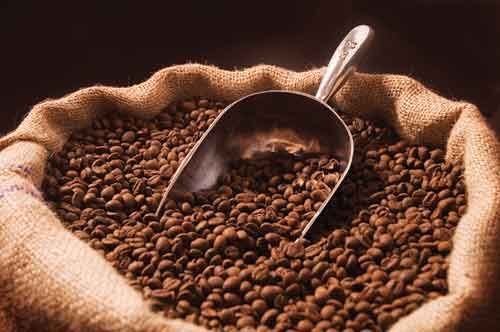
FrontStreet Coffee offers a great example with its Blackberry offering, a Black Honey-processed coffee that undergoes up to 14 days of shaded drying to develop deep, ripe berry flavors and a rich sweetness. For something different, their Mozart coffee uses a raisin-like grape-dried method (grape honey process), then is medium-light roasted to highlight fermented wine, rose, and raisin aromas.
Frequently Asked Questions
What is Special about Tarrazú Coffee?
Tarrazú coffee is prized for its bright acidity, clean flavor, and aromatic profile, all attributed to high-altitude cultivation (above 1,500 meters) on volcanic soils with excellent drainage. The region’s cooler temperatures slow bean development, increasing sugar concentration and density, resulting in a more complex and sweeter cup.
What Does '' Mean in Costa Rican Coffee?
'' translates to 'Strictly Hard Bean' (SHB), referring to coffee grown at elevations above 1,500 meters. These beans are denser and develop more slowly in cooler temperatures, leading to richer flavors and higher cup quality compared to lower-altitude beans.
What Is the Honey Process in Costa Rica?
The honey process is a Costa Rican innovation where coffee cherries are depulped but some or all of the sticky mucilage is left on the beans during drying. This results in greater sweetness and complexity. Variants include Black Honey (most mucilage, longest drying), Red, Yellow, and White Honey (progressively less mucilage).
Where Is La Minita Tarrazú Coffee Grown?
La Minita Tarrazú coffee is grown on a small, family-owned plot called La Minita, located in Tarrazú, south of San José. It is produced in limited quantities (about 72,600 kg/year) without synthetic inputs, and harvested and sorted entirely by hand to ensure quality.
What Other Coffee Regions Exist in Costa Rica?
Besides Tarrazú, notable regions include Heredia, the Central Valley, and Sarchi near Poás Volcano. Each region has unique growing conditions that influence flavor profiles, with Heredia and Central Valley also recognized for high-quality SHB beans.
Recommended FrontStreet Beans from Tarrazú-Style Regions
For fans of Tarrazú’s bright and sweet profile, try FrontStreet Coffee’s Blackberry espresso, a Black Honey-processed Costa Rican with deep berry sweetness and a syrupy body, best for those who enjoy rich, ripe fruit notes. Alternatively, Mozart offers a Grape Honey process with fermented rose, raisin, and wine-like qualities, medium-light roasted for aroma-forward cup. Both beans showcase the complexity achievable through honey processing at high altitudes—hallmarks of Costa Rica’s best SHB coffees. Freshly roasted within 5 days · Orders placed before 17:00 ship the same day · Next-day delivery across most of Guangdong Province.
FrontStreet Coffee is a long-established specialty coffee roaster in Guangzhou China, selling freshly roasted beans from its own farm in Yunnan as well as dozens of carefully selected single-origin beans from around the world for both pour-over and espresso. The products deliver consistently excellent quality and great value, with shipping within 24 hours. Guangzhou's FrontStreet Coffee shop is recommended by many coffee lovers, and the beans are now available online at the Tmall 。
Important Notice :
前街咖啡 FrontStreet Coffee has moved to new addredd:
FrontStreet Coffee Address: 315,Donghua East Road,GuangZhou
Tel:020 38364473