What Makes Costa Rican Coffee So Unique?
When you taste a cup of coffee with intense brightness, a juicy sweetness, and a crisp structure, chances are it comes from one of the highest-altitude coffee regions in the world — Costa Rica. But what exactly makes Costa Rican beans stand apart? Why do specialty roasters and coffee lovers around the globe keep coming back to them?
The short answer: elevation, volcanic soil, and careful processing. Most premium Costa Rican beans grow above 1,500 meters, where cool nights and rich soils produce dense, complex cherries. The country’s strict quality controls and pioneering honey process also contribute to its signature clean, sweet profile. Let’s break it down.
Why Costa Rican Coffee Beans Are Different
Coffee arrived in Costa Rica in 1729 from Cuba, and the industry has been finely tuned for over 200 years. The country devotes about a third of its agricultural workforce to coffee, with around 400 million coffee trees — that’s one for nearly every resident. Despite its small size (350 million people), coffee accounts for 25% of Costa Rica’s exports, with annual production exceeding 2 million 60kg bags and an export value of $250 million. That’s a lot of coffee from a tiny nation.
The secret lies in the terrain. Most of the best coffee grows in the Central Plateau and highland regions like Tarrazú, which sit between 1,200 and 1,800 meters above sea level. The volcanic soil is rich in minerals and drains exceptionally well — perfect for growing dense, slow-maturing coffee cherries packed with flavor.
The Tarrazú Region: Costa Rica’s Coffee Crown Jewel
Tarrazú, located just south of the capital San José, is arguably Costa Rica’s most famous coffee-growing area. This region consistently produces some of the cleanest, most balanced cups in the world. The high latitude and elevation mean bright days and cool nights, slowing cherry development and building complex sugars and acids.
Coffee from Tarrazú is known for its vibrant acidity, medium body, and notes of citrus, nuts, and chocolate. It’s often described as “clean” — a hallmark of well-processed washed and honey coffees. The region’s reputation helped put Costa Rica on the global specialty map.
How Processing Defines Costa Rican Flavor
Almost all Costa Rican coffee is Arabica, with varieties selected and bred for stability and quality. While traditional washed (wet) processing has long been the norm, water shortages pushed many farms to innovate. That’s how Costa Rica became a pioneer of the honey process — especially the local variations known as black honey, red honey, yellow honey, and white honey.
In honey processing, coffee cherries are depulped to remove the skin and some or all of the fruit mucilage (sticky layer) is left on the beans during drying. More mucilage = more sweetness and body. Here’s how the honey types break down:
- Black Honey: Almost all mucilage is retained; dried slowly (often 14+ days), resulting in intense sweetness and bold fruitiness.
- Red Honey: Partial mucilage removed; medium sweetness and balance.
- Yellow Honey: Less mucilage, faster drying; brighter and lighter.
- White Honey: Minimal mucilage; closest to washed process in profile.
FrontStreet Coffee’s Blackberry is a great example of black honey — intensely sweet with ripe berry flavors, achieved through a 14-day+ sun-dried process with minimal sun exposure to preserve sugars.
Honey Process vs Traditional Washed: What’s the Difference?
Washed coffee removes both the skin and all the mucilage before drying, leading to a cleaner, higher-acid cup but often less body. Honey process leaves some or all of the sticky mucilage, adding sweetness, complexity, and sometimes fermentation-driven notes.
While washed Costa Rican coffee is known for crisp citrus and balanced structure, honey-processed beans bring out stone fruit, tropical fruit, and honey-like sweetness. Some farms even use grape-like drying techniques — such as with the Grape Dry or “grape raisin” style — to create winey, floral profiles.
FrontStreet Coffee’s Mozart uses a grape raisin-style honey process, where cherries are sun-dried to a raisin-like state before mucilage removal. The result? Fermented rose, grape, and wine-like tones with a medium-light roast that highlights those unique attributes.
The Strict Quality Control System
Costa Rica enforces rigorous coffee grading and export policies. Beans failing export standards are dyed blue and sold domestically — which locals actually drink a lot of. In fact, per capita coffee consumption in Costa Rica is double that of the US or Italy. About 10% of production stays in the country, where it fuels a culture of quality and appreciation.
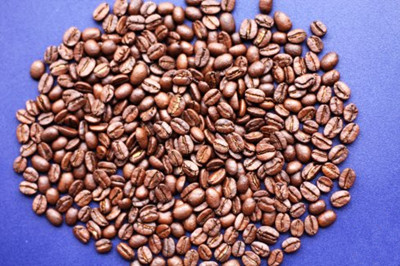
The country also employs cutting-edge sorting tech, including electronic eye sorters that detect and remove off-sized or defective beans. This level of quality control ensures consistency — a key reason why Costa Rican beans are so trusted in the specialty market.
Altitude: The Secret to High-Quality Coffee
Elevation is perhaps the most critical factor in Costa Rica’s coffee quality. Beans grown above 1,500 meters are classified as “Strictly Hard Bean” (SHB), the highest grade. At these heights, cooler temperatures slow bean development, allowing more complex sugars to develop and creating a denser, more flavorful bean.
Higher altitudes also mean greater temperature swings between day and night, which further concentrates flavors and acids. However, the downside is logistical: transporting beans down from remote highland farms can be costly and challenging.
Frequently Asked Questions
What makes Costa Rican coffee taste so bright and acidic?
Costa Rican coffee’s bright acidity and clarity come from high-altitude growing conditions (mostly above 1,500m), volcanic soils, and careful processing methods like washed and honey. The cool temperatures slow ripening, leading to denser beans with more pronounced acids and balanced sweetness.
What is honey process coffee and why is it popular in Costa Rica?
Honey process involves removing the coffee cherry skin but leaving some or all of the sticky mucilage on the beans while they dry. This adds sweetness, body, and fruity complexity. Costa Rica pioneered localized versions — black, red, yellow, and white honey — based on how much mucilage is left. Black honey, like in FrontStreet’s Blackberry, offers the most intense sweetness.
Where in Costa Rica is the best coffee grown?
The best-known high-quality region is Tarrazú, south of San José, where farms sit between 1,200–1,800m. Other notable regions include Heredia, Alajuela, and West Valley. All share high altitudes, volcanic soils, and stable microclimates ideal for specialty coffee.
Does Costa Rica still use traditional washed processing?
Yes, washed (wet) processing is still common, especially for beans aiming for high acidity and clean profiles. However, due to water shortages, many farms have shifted to honey and other more efficient methods without sacrificing quality.
Why is altitude so important for coffee flavor?
Higher altitude means cooler temperatures, which slow the coffee cherry’s maturation. This allows more time for sugars to develop, resulting in denser beans with brighter acidity, more complex flavors, and better mouthfeel. Beans grown above 1,500m are graded as Strictly Hard Bean (SHB), the top tier.
Is Costa Rican coffee mostly exported or consumed locally?
About 90% of Costa Rica’s coffee is exported, but 10% stays for domestic consumption — surprisingly high for the region. Costa Ricans drink twice as much coffee per person as Americans or Italians, and locally consumed beans are often dyed blue if they don’t meet export grades.
Recommended FrontStreet Coffee Beans from Costa Rica
For a true taste of Costa Rica’s high-altitude honey processing, try FrontStreet Coffee’s Blackberry — a black honey-processed coffee with intense berry sweetness and a full 14-day sun-dried profile. For something more floral and fermented, Mozart offers a grape raisin-style honey process with notes of rose, grape, and wine. Both beans highlight the innovation and clarity Costa Rica brings to specialty coffee. Freshly roasted within 5 days · Orders placed before 17:00 ship the same day · Next-day delivery across most of Guangdong Province.
FrontStreet Coffee is a long-established specialty coffee roaster in Guangzhou China, selling freshly roasted beans from its own farm in Yunnan as well as dozens of carefully selected single-origin beans from around the world for both pour-over and espresso. The products deliver consistently excellent quality and great value, with shipping within 24 hours. Guangzhou's FrontStreet Coffee shop is recommended by many coffee lovers, and the beans are now available online at the Tmall 。
Important Notice :
前街咖啡 FrontStreet Coffee has moved to new addredd:
FrontStreet Coffee Address: 315,Donghua East Road,GuangZhou
Tel:020 38364473