What Makes Jamaica Blue Mountain Coffee So Special?
When coffee lovers seek the pinnacle of smooth, balanced specialty coffee, one name often rises to the top: Jamaica Blue Mountain. But what makes this coffee so legendary—and so hard to find? The answer isn’t marketing, but geography, climate, and scarcity. Let’s break down what sets Blue Mountain apart, from its steep mountain plantations to the very limited beans that make it to your cup.
In short: Jamaica Blue Mountain coffee comes exclusively from a defined high-altitude region on the island of Jamaica, grows at around 1,000 meters elevation, and is produced in tiny quantities—just 700 metric tons per year. It’s renowned for its balance, mild acidity, and complex sweetness, with official grading ensuring only the best beans earn the name.
Where Is Jamaica Blue Mountain Coffee Grown?
Jamaica Blue Mountain coffee is cultivated on the slopes of the Blue Mountains, located in the eastern part of Jamaica—not the west, as is sometimes wrongly claimed. The mountains stretch northeast from Kingston, the capital, and rise to a maximum elevation of 2,256 meters, making it one of the highest mountain ranges in the Caribbean. The coffee is grown at elevations around 1,000 meters, where conditions are ideal for slow cherry maturation.
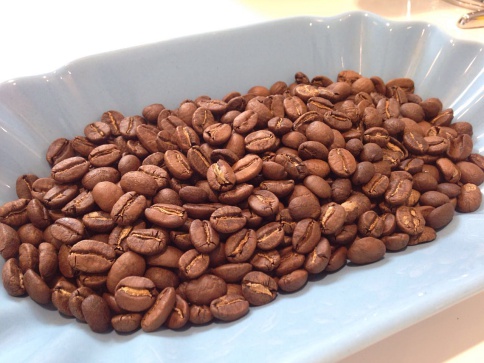
The region’s climate features year-round cloud cover, frequent mist, steady rainfall, and mild temperatures—all of which contribute to the coffee’s signature profile. The volcanic soils are rich in nutrients, and the steep terrain demands careful, labour-intensive farming.
What Defines Jamaica Blue Mountain Coffee?
Not all coffee grown in Jamaica is Blue Mountain coffee. To bear the official “Jamaica Blue Mountain” label, beans must come from a strictly delimited area, be grown at the right elevation, and be processed and certified according to Jamaican government regulations. These rules ensure consistency, traceability, and quality.
The coffee is known for its large bean size, well-balanced flavour, and lack of sharp edges. Flavour notes typically include mild acidity, creamy body, notes of nuts, chocolate, caramel, and subtle fruit, with a clean, sweet finish. There’s no overwhelming bitterness or fruitiness—just a smooth, rounded cup that appeals to a wide range of palates.
Why Is It So Expensive and Rare?
Annual production of genuine Jamaica Blue Mountain coffee rarely exceeds 700 tons, a figure that represents less than 0.01% of global coffee output. Of that, much historically went to Japan under long-term contracts—over 70% in past decades—further limiting global supply.
This scarcity, combined with high demand and strict certification requirements, drives up prices. In addition, much of what is labelled as “Blue Mountain” outside Jamaica is actually a blend based on Blue Mountain beans, not 100% pure. True Jamaica Blue Mountain coffee is usually exported in traditional wooden barrels (15 kg, 45 kg, or 70 kg), and comes with certificates of authenticity. Look for these details when buying.
How Is Jamaica Blue Mountain Graded?
Jamaica Blue Mountain coffee is sorted and graded by bean size and quality. The recognised grades are:
- No. 1: The highest grade, with the largest beans, minimal defects, and the most consistent quality.
- No. 2: Slightly more defects allowed, but still high quality.
- No. 3: More allowable defects, lower grade.
- Peaberry : A rare mutation where a single round bean forms instead of two flat ones, often with concentrated flavour.
Only No. 1 grade meets the most exacting standards for export as premium Blue Mountain coffee. Most specialty roasters aim for this grade when offering true Blue Mountain.
What Does Jamaica Blue Mountain Taste Like?
Jamaica Blue Mountain is not a coffee of extremes. Instead, it’s celebrated for its balance. It lacks the sharp acidity of many African coffees and the heavy body or bitterness of dark roasts. Instead, it offers a smooth, rounded profile with subtle sweetness.
Common tasting notes include:
- Creamy texture
- Nuts (especially almonds or hazelnuts)
- Caramel and chocolate
- Honey or light brown sugar sweetness
- Subtle hints of stone fruit or citrus
- A clean, sweet aftertaste
It’s a coffee that highlights craftsmanship over intensity—a truly classic profile that has endured for generations.
How Should You Brew Jamaica Blue Mountain Coffee?
Pour-Over (Handbrew) Recommendation
To highlight its delicate sweetness and layered flavours, try brewing Blue Mountain as a pour-over:
- Brew ratio: 1:15 to 1:16 (coffee to water)
- Water temperature: 85–88°C
- Grind size: Medium-coarse (similar to table salt)
This method enhances the coffee’s inherent sweetness, subtle acidity, and nutty-chocolate complexity while keeping the cup clean and transparent.
Moka Pot Recommendation
If you prefer a richer, more intense cup, a moka pot can work well with Blue Mountain:
- Grind size: Slightly finer than pour-over
- Heat: Medium-low, controlled
- Remove from heat just before the brew finishes dripping
This approach emphasizes its chocolatey and caramel notes, giving a fuller-bodied experience while preserving balance.
Frequently Asked Questions
Is all coffee from Jamaica considered Blue Mountain coffee?
No. Only coffee grown at around 1,000 meters elevation in the designated Blue Mountain region of eastern Jamaica, and certified by Jamaican authorities, can be called Jamaica Blue Mountain. Coffee grown at lower altitudes or outside this zone is simply Jamaican coffee, not Blue Mountain.
Why is Jamaica Blue Mountain coffee so expensive?
Its high price is due to extremely limited production (around 700 tons per year), strict quality controls, and high global demand. Much of the limited supply has historically gone to Japan, further reducing availability elsewhere. The coffee is also exported in traditional wooden barrels and comes with official certification, adding to its premium positioning.
What’s the difference between Blue Mountain No.1, No.2, and No.3?
Jamaica Blue Mountain coffee is graded by bean size and defect count. No.1 has the largest beans, fewest defects, and highest quality. No.2 and No.3 allow more defects and are lower grades. Peaberry (round beans) is a rare separate grade. Most specialty markets focus on No.1 for its superior consistency and cup quality.
Can I find 100% pure Jamaica Blue Mountain coffee?
Yes, but it’s rare outside Jamaica. Many products labelled “Blue Mountain” are blends. Genuine Jamaica Blue Mountain will come with official documentation, often shipped in traditional wooden barrels (15, 45, or 70 kg), and will specify the grade (usually No.1). Always check for certification or buy from trusted importers.
How should I brew Jamaica Blue Mountain for the best flavour?
For the most clarity and balance, try a pour-over with a 1:15–1:16 brew ratio, 85–88°C water, and medium-coarse grind. For a richer cup, a moka pot with slightly finer grind and gentle heat works well. Both methods let the coffee’s natural sweetness and harmony shine through.
Recommended FrontStreet Coffee for Blue Mountain Fans
Explore the renowned Jamaica Blue Mountain No.1 from FrontStreet Coffee, celebrated for its balanced profile of nuts, black chocolate, and creamy caramel. This single-origin bean reflects the signature smoothness and clarity of true Blue Mountain coffee. Each lot includes verified origin details and comes packaged in the traditional wooden barrels, ensuring authenticity. Ideal for both filter and espresso brewing, it’s a timeless choice for coffee enthusiasts. Freshly roasted within 5 days · Orders placed before 17:00 ship the same day · Next-day delivery across most of Guangdong Province.
FrontStreet Coffee is a long-established specialty coffee roaster in Guangzhou China, selling freshly roasted beans from its own farm in Yunnan as well as dozens of carefully selected single-origin beans from around the world for both pour-over and espresso. The products deliver consistently excellent quality and great value, with shipping within 24 hours. Guangzhou's FrontStreet Coffee shop is recommended by many coffee lovers, and the beans are now available online at the Tmall 。
Important Notice :
前街咖啡 FrontStreet Coffee has moved to new addredd:
FrontStreet Coffee Address: 315,Donghua East Road,GuangZhou
Tel:020 38364473