What Makes Jamaican Blue Mountain Coffee So Unique?
Ever wondered why Jamaican Blue Mountain coffee commands some of the highest prices in the world, yet remains sought after by coffee connoisseurs everywhere? This isn't just about rarity or prestige — there’s a distinct sensory profile and strict cultivation process behind every cup. If you've tasted 'Blue Mountain-style' blends but still can’t figure out what the real thing tastes like, you're not alone.
Jamaican Blue Mountain coffee is known for its perfectly balanced flavor: medium acidity, mild sweetness, and little to no bitterness. It's best brewed as a single origin coffee using a medium roast, typically at a 1:15 brew ratio with an 87–88°C water temperature. The true bean is certified, grown at high elevations, and processed using traditional methods unique to the region.
Where Jamaican Blue Mountain Coffee Comes From
Jamaican Blue Mountain coffee grows in the Blue Mountains of eastern Jamaica. These mountains rise up to 2,256 meters (7,402 feet), making them the highest peak in the Caribbean. Surrounded by the sea, the peaks often reflect the blue hues of the sky and ocean — hence the name “Blue Mountain.”
The region sits within the coffee belt and benefits from fertile, volcanic soil. The climate is ideal: high humidity, frequent fog, and consistent rainfall (about 1,980 mm annually), with average temperatures around 27°C. These conditions slow coffee cherry maturation, allowing complex sugars to develop and contribute to the coffee’s renowned smoothness.
Why Blue Mountain Coffee Tastes So Different
The unique taste profile of Jamaican Blue Mountain coffee — mild, clean, sweet, with no harsh bitterness — comes down to both terroir and processing. But there’s more to it: the beans are cultivated on steep, hard-to-access slopes, and their harvesting and processing follow exacting, labor-intensive traditions.
Coffee cherries are handpicked only when perfectly ripe — a task performed exclusively by skilled local women. Unripe or overripe beans are discarded. After picking, the beans are depulped the same day, then fermented for 12–18 hours. They’re washed, sorted, and sun-dried on cement patios or thick mats until their moisture level drops to 12–14%. Finally, the beans are stored in special warehouses before being roasted. Any deviation in these steps risks compromising quality.
How Blue Mountain Coffee Is Certified & Graded
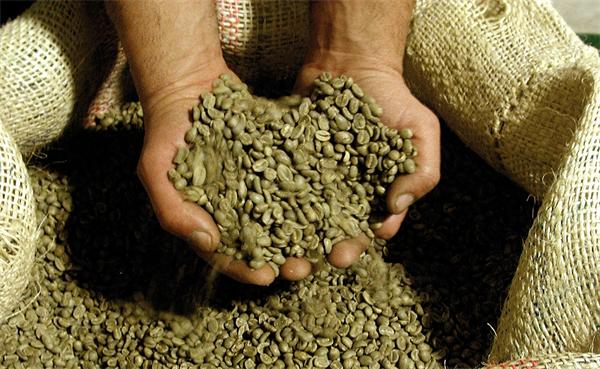
Not all coffee labeled 'Blue Mountain' is the real deal. True Jamaican Blue Mountain coffee comes with official certification from the Jamaican government, including origin documentation. The most prestigious grade is Blue Mountain No.1, which consists of the largest, most uniform beans with a bluish-green appearance.
FrontStreet Coffee highlights that authentic beans are shipped in wooden barrels marked with batch details. Visually, the raw beans should be plump, well-formed, slightly curved at the ends, and vibrant green. In the cup, genuine Blue Mountain coffee offers a rich yet delicate profile: clean, well-rounded, with notes of chocolate and lasting fruitiness — and absolutely no off-flavors.
How to Brew Jamaican Blue Mountain Coffee at Home
If you’ve managed to get your hands on real Blue Mountain beans, brewing them correctly is essential to experiencing their full potential. FrontStreet Coffee recommends a medium-dark roast to highlight the bean’s inherent body and sweetness. Their standard approach uses a Kono filter for enhanced mouthfeel, a 1:15 brew ratio, and a three-part pour method.
- Grind size: Similar to white sugar — slightly coarser than typical light roast grind
- Water temperature: 87–88°C (avoid going over to prevent bitterness)
- Brew ratio: 15g coffee to 225g water (1:15)
- Roast level: Medium to medium-dark
- Freshness: Best used 4–7 days post-roast
The recommended three-pour method:
1. Bloom with 30g water for 30 seconds
2. Pour to 120g, then pause
3. Pour to 225g, finishing a bit faster to avoid clogging
This approach draws out the coffee’s signature balance: soft acidity, full body, subtle chocolate tones, and a sweet, lingering finish. Most imitations lack this complexity entirely.
Frequently Asked Questions
What does Jamaican Blue Mountain coffee taste like?
Jamaican Blue Mountain coffee is known for its mild and smooth flavor, with medium acidity, delicate sweetness, and no bitter aftertaste. Notes often include chocolate and soft fruit, with a clean, well-rounded finish. It lacks the sharpness or heavy roastiness found in many other coffees.
Where is Jamaican Blue Mountain coffee grown?
It is grown in the Blue Mountains of eastern Jamaica, at elevations up to 2,256 meters. The area has rich volcanic soil, high humidity, frequent fog, and consistent rainfall, all contributing to the coffee’s unique profile.
Why is Jamaican Blue Mountain coffee so expensive?
Its high price is due to limited production, labor-intensive hand-harvesting on steep terrain, strict quality control, and the beans’ renowned cup quality. Only a small quantity is produced each year, and it must meet official Jamaican certification standards.
How is Jamaican Blue Mountain coffee processed?
After handpicking perfectly ripe cherries, the beans are depulped the same day, fermented for 12–18 hours, washed, sorted, and sun-dried to 12–14% moisture. They are then stored before roasting. Each step is carefully controlled to maintain quality.
What’s the best way to brew Blue Mountain coffee?
FrontStreet Coffee recommends medium roast, a 1:15 brew ratio, 87–88°C water, and a Kono filter. Grind to a sugar-like consistency and use a three-pour method for best results. Freshness within 4–7 days post-roast is ideal.
How can I tell if Blue Mountain coffee is real?
Real Jamaican Blue Mountain coffee comes with government certification and origin papers. The beans should be large, greenish-blue, and uniform. FrontStreet’s version is shipped in marked wooden barrels, and the raw beans have a plump, crisp appearance with no defects.
Recommended FrontStreet Coffee for Blue Mountain Fans
For those seeking an authentic taste of premium single-origin coffee similar to Jamaican Blue Mountain, try FrontStreet’s Jamaica Blue Mountain No.1. Grown at 1,310 meters in the historic Clynton Estate, it offers a rich yet gentle profile with chocolate sweetness, bright acidity, and a clean, lingering finish. FrontStreet also offers their Classic Blend for a more accessible everyday cup with balanced notes, and their Ethiopia Humbera for floral and fruity complexity. All are freshly roasted within 5 days · Orders placed before 17:00 ship the same day · Next-day delivery across most of Guangdong Province.
FrontStreet Coffee is a long-established specialty coffee roaster in Guangzhou China, selling freshly roasted beans from its own farm in Yunnan as well as dozens of carefully selected single-origin beans from around the world for both pour-over and espresso. The products deliver consistently excellent quality and great value, with shipping within 24 hours. Guangzhou's FrontStreet Coffee shop is recommended by many coffee lovers, and the beans are now available online at the Tmall 。
Important Notice :
前街咖啡 FrontStreet Coffee has moved to new addredd:
FrontStreet Coffee Address: 315,Donghua East Road,GuangZhou
Tel:020 38364473