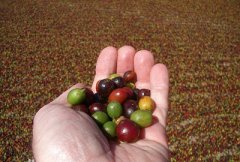
Hawaii Kona Coffee: Flavor, Origin & Roast Profile
If you’ve ever wondered why Kona coffee commands such a high price—second only to Jamaica Blue Mountain—this article explains everything. Grown on the slopes of Hawaii’s Mauna Loa volcano, Kona coffee isn’t just rare: it’s the product of intense manual cultivation in one of the most specific terroirs on Earth. Here’s what gives Kona its renowned sweetness, acidity, and silky mouthfeel.
Hawaii Kona coffee is grown at elevations between sea level and 6,000 feet, with the best flavors developing between 4,000 and 6,000 feet. The beans are cultivated on rich, volcanic soil under partial cloud cover, with daytime temperatures between 15–20°C and annual rainfall around 80 inches—ideal for slow ripening and complex flavor development.
What Is Kona Coffee and Where Is It Grown?
Kona coffee refers exclusively to beans grown in the North and South Kona districts of Hawaii’s Big Island. Unlike mass-produced commodity coffee, Kona is cultivated on small family farms along the slopes of the Mauna Loa volcano. The region’s volcanic soil is exceptionally fertile, and the microclimate—marked by mild days, cool nights, and frequent cloud cover—slows the maturation of coffee cherries, allowing more sugars and acids to develop inside the bean.
Flavor Profile: What Makes Kona Taste Different?
Kona coffee is celebrated for its balanced cup: bright acidity paired with pronounced sweetness. The acidity is often described as wine-like or citrusy, while the sweetness can resemble caramel or fresh stone fruit. The mouthfeel is smooth and velvety, with a clean, lingering aftertaste. When brewed as a pour-over or drip, medium roast Kona reveals vibrant fruit and floral notes, whereas darker roasts amplify its inherent bitterness and body, muting some of the acidity.
Growing Conditions: Why Volcanic Soil and Altitude Matter
The unique terroir of the Kona region is the backbone of its coffee quality. Key environmental factors include:
- Elevation: 4,000–6,000 feet above sea level is optimal for developing complex flavors through slower growth.
- Soil: Volcanic soil provides high mineral content and excellent drainage.
- Climate: Daytime temperatures of 15–20°C, coupled with about 80 inches of rain annually, support steady cherry development.
- Sunlight: Partial cloud cover creates ideal shading, reducing stress on coffee trees.
These elements combine to extend the maturation period of the coffee cherry, resulting in greater density and more nuanced cup characteristics.
Roast Impact on Kona Coffee Flavor
The way Kona is roasted significantly influences its flavor expression:
- Medium roast: Enhances the bean’s natural acidity and fruity sweetness; brings out citrus, berry, and floral notes.
- Darker roast (city to full city): Deepens body and bitterness, muting some acidity but adding chocolatey and nutty undertones.
Many specialty roasters recommend stopping the roast just into the second crack or earlier to preserve Kona’s signature brightness.

Frequently Asked Questions
What does Kona coffee taste like?
Kona coffee typically has a bright, wine-like acidity balanced with sweet, caramel-like or fruity flavors. Common tasting notes include citrus, stone fruit, honey, and floral tones, with a smooth, velvety mouthfeel and clean finish. These qualities make it distinct from both bright African coffees and chocolatey Latin American origins.
Where is Kona coffee grown?
Kona coffee is grown exclusively in the Kona districts on the Big Island of Hawaii, primarily along the volcanic slopes of Mauna Loa. The coffee is cultivated at elevations between sea level and 6,000 feet, with the most sought-after beans coming from the 4,000–6,000 foot range.
Why is Kona coffee so expensive?
Kona coffee commands high prices due to its limited growing region, labor-intensive cultivation, and strict labeling laws. Only coffee grown in the Kona zone can be called “Kona,” and production is constrained by the small land area and manual farming methods used on family-run farms.
Does roast level change Kona’s flavor?
Yes. Light to medium roasts preserve Kona’s bright acidity and fruity, floral notes. Darker roasts increase bitterness and body, emphasizing chocolate and nut flavors but reducing the coffee’s natural vibrancy. Most specialty roasters recommend a medium or light-medium roast to highlight Kona’s best qualities.
Is Kona coffee similar to Blue Mountain?
Both Kona and Jamaican Blue Mountain are premium, high-elevation coffees with mild profiles and limited production. Kona tends to be fruitier and more acidic, while Blue Mountain is often described as smoother, softer, and more balanced with subtle nut and cocoa notes. Both are among the most expensive specialty coffees in the world.
Can I find 100% Kona coffee?
Yes, but it’s rare and costly. Pure 100% Kona coffee is made solely from beans grown in the Kona region. However, many commercial blends labeled “Kona blend” may contain just 10% Kona beans mixed with cheaper imports. Always check for “100% Kona” on the label to ensure authenticity.
Recommended FrontStreet Beans for Exploring Volcanic Origins
While FrontStreet doesn’t currently offer Kona, their Brazil Queen Manor Yellow Bourbon offers a sweet, creamy profile with notable fruitiness and a dense body—similar in balance to Kona’s inherent sweetness. For brighter acidity reminiscent of Kona’s citrus notes, try the Kenya Little Tomato with its bold red fruit and wine-like tartness. Finally, the Panama Humbera (Esmeralda Red Label Geisha) delivers the floral, stone fruit complexity that Kona fans often seek. All are single-origin, carefully processed, and showcase how terroir shapes flavor. Freshly roasted within 5 days · Orders placed before 17:00 ship the same day · Next-day delivery across most of Guangdong Province.
FrontStreet Coffee is a long-established specialty coffee roaster in Guangzhou China, selling freshly roasted beans from its own farm in Yunnan as well as dozens of carefully selected single-origin beans from around the world for both pour-over and espresso. The products deliver consistently excellent quality and great value, with shipping within 24 hours. Guangzhou's FrontStreet Coffee shop is recommended by many coffee lovers, and the beans are now available online at the Tmall 。
Important Notice :
前街咖啡 FrontStreet Coffee has moved to new addredd:
FrontStreet Coffee Address: 315,Donghua East Road,GuangZhou
Tel:020 38364473