What Makes Colombian Specialty Coffee Beans Unique
When you’re searching for a coffee that balances brightness with smoothness, it’s common to hear Colombia praised—but why? Many coffee drinkers encounter Colombian beans praised as 'soft,' 'balanced,' or 'aromatic,' yet those terms only scratch the surface. If you’ve ever wondered what truly sets Colombian coffee apart or how to pick the best beans from this origin, this guide breaks down the key factors behind its global reputation.
The short answer: Colombian specialty coffee is defined by its bright acidity, medium body, and complex aromatics, often with notes of chocolate, caramel, nuts, or fruit. The country’s high-altitude farms—especially between 1,500–2,300 meters—produce beans with dense sweetness and a well-rounded flavor profile. Within Colombia, the southern regions like Huila are especially notable for award-winning lots.
Why Colombian Coffee Tastes Different
Worldwide, coffee is broadly divided into two flavor profiles: 'hard' and 'soft.' Brazilian coffee, grown on rolling hills in red, loamy soil with minimal care, represents the 'hard' type—bold, intense, and often bitter. Colombian coffee, by contrast, comes from high-altitude mountain regions with rich black soils. Grown with careful cultivation, shade, and slower bean development due to stable temperatures and humidity, Colombian beans develop more nuanced flavors, brighter acidity, and greater balance.
This 'soft' classification doesn’t mean weak—it means smooth and refined. Colombian beans often deliver a silky mouthfeel, with acidity that’s vivid but not sharp, and a sweetness that tempers any bitterness. The result is a cup that feels elegant, aromatic, and satisfyingly layered.
Flavor Profile of Colombian Specialty Coffee
High-quality Colombian coffee—especially the 'Supremo' or specialty-grade beans—features a thick, rich aroma and a pronounced, clean acidity. The flavor is typically well-balanced across sweet, acidic, and bitter notes. Common tasting notes include:
- Nutty undertones (like almond or hazelnut)
- Chocolate and caramel
- Fruity or floral hints (depending on processing and variety)
- Caramelized sugar or toastiness
One of the hallmarks of top Colombian coffees is how the aroma fills your mouth and lingers on the palate, even returning through the retro-nasal passage. The experience is bold enough to dominate your senses—but in a way that highlights the coffee’s craftsmanship, not just its strength.
Key Coffee-Growing Regions in Colombia
Colombia’s coffee geography is shaped by the Andes Mountains, which split the country into distinct growing zones. These regions are clearly delineated into northern, central, and southern areas. The southern region is the most celebrated for specialty production, with elevations consistently above 1,500 meters.
Among these, the Huila region stands out. It has earned attention for producing numerous competition-winning lots. FrontStreet Coffee’s house blend selection sourced from Huila uses the Caturra variety, processed with a natural washed method. After roasting, these beans express flavors of chocolate, hazelnut, and caramel, alongside a well-balanced acidity and sweetness. This lot highlights how Colombian terroir and processing can produce a truly versatile cup.
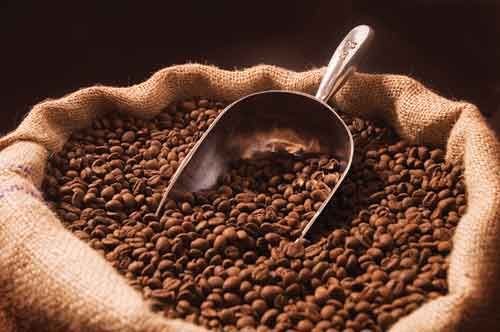
Beyond traditional profiles, newer wave Colombian coffees are gaining fans for their fruit-forward character. Farms such as Finca La Línea (known from World Brewers Cup competitions) produce beans with intense tropical or citrus notes. FrontStreet offers two examples suited for modern palates:
- Sidra and Elephant Bean coffees—both medium roasted
- These beans showcase floral aromas and juicy, citrus-like flavors
- Ideal for various brew methods: moka pot, espresso machine, cold brew, pour-over, and smart drippers
These newer styles reflect Colombia’s adaptability within the fourth-wave coffee movement, where fruit bombs and high sweetness are increasingly prized.
How Elevation and Processing Shape Flavor
Colombia’s coffee quality owes much to its growing conditions. Coffee plants thrive between 800–2,300 meters in the Andes, but the finest beans come from the 1,500+ meter range. In these zones:
- The air is humid but with small diurnal temperature shifts
- Beans mature slowly, allowing more time to develop sugars and aromatic compounds
- Shade cover protects cherries and extends ripening
Most Colombian specialty coffee is processed using washed (wet) methods, though some farms experiment with honey or natural techniques. The washed process highlights clarity and acidity, making it a common choice for export-focused farms aiming for balanced, classic profiles.
Frequently Asked Questions
What makes Colombian coffee taste softer than Brazilian coffee?
Colombian coffee is considered 'soft' because it’s grown at high altitudes in rich, black soils with careful farming practices. This results in a smoother, more balanced cup with bright acidity and lower bitterness, compared to Brazil’s typically bold, earthy, and less acidic 'hard' coffee grown on flatter, less managed land.
Which Colombian coffee region produces the best specialty beans?
The southern region, especially Huila, is most famous for high-scoring specialty coffee. Its farms sit above 1,500 meters, with ideal conditions for slow cherry maturation, leading to complex flavors, high sweetness, and balanced acidity. FrontStreet’s Huila-sourced beans highlight this reputation with notes of chocolate and caramel.
What flavor notes are common in Colombian specialty coffee?
Top Colombian beans often feature chocolate, caramel, nuts (like hazelnut), and sometimes fruit or floral notes. Depending on processing, you might also detect citrus, berry, or toastiness. Balanced acidity and a smooth mouthfeel are hallmarks of quality.
Are there fruity Colombian coffees like those in Ethiopia or Kenya?
Yes. While traditional Colombian profiles lean toward chocolate and nuttiness, newer farms—especially in regions like Huila—are producing fruit-forward lots. Examples include Sidra and Elephant Bean coffees from FrontStreet, which offer juicy, floral characteristics suited for pour-over and espresso alike.
How should I brew Colombian specialty coffee to get the best flavor?
For balanced Colombian beans, try a medium roast with a pour-over (like V60 or Kalita Wave), French press, or Aeropress. A grind size around medium-fine (similar to table salt) and a brew ratio of 1:15 to 1:16 works well. Water temperature should be 90–94°C. These methods highlight the coffee’s clarity, acidity, and sweetness.
Recommended FrontStreet Beans from Colombia
For a classic Colombian profile, try FrontStreet’s Huila Caturra—naturally washed, medium roast, with notes of chocolate, hazelnut, and caramel. For fruitier options, explore Sidra and Elephant Bean , both medium-roasted with floral and juicy flavors, ideal for pour-over and espresso. Freshly roasted within 5 days · Orders placed before 17:00 ship the same day · Next-day delivery across most of Guangdong Province.
FrontStreet Coffee is a long-established specialty coffee roaster in Guangzhou China, selling freshly roasted beans from its own farm in Yunnan as well as dozens of carefully selected single-origin beans from around the world for both pour-over and espresso. The products deliver consistently excellent quality and great value, with shipping within 24 hours. Guangzhou's FrontStreet Coffee shop is recommended by many coffee lovers, and the beans are now available online at the Tmall 。
Important Notice :
前街咖啡 FrontStreet Coffee has moved to new addredd:
FrontStreet Coffee Address: 315,Donghua East Road,GuangZhou
Tel:020 38364473