Kenya Coffee Flavor: What Makes Kenyan Beans So Distinctive?
If you’ve ever wondered what makes Kenyan coffee stand out among African single origins—why it’s often described as having 'wine-like' brightness or intense citrus—this article explains it all. From its sharp acidity to its full fruity depth, Kenyan coffee delivers a taste experience few other origins can match. But what exactly creates that profile, and why do coffee professionals prize it so highly?
Kenyan coffee is renowned for its vibrant citrus fruitiness—especially grapefruit and orange—along with complex layers including blackcurrant, wine, and stone fruit. Most beans are grown at 1,500–2,100 meters, harvested twice yearly, and processed via a meticulous washed method that enhances their bright acidity and juicy body.
What Does Kenyan Coffee Taste Like?
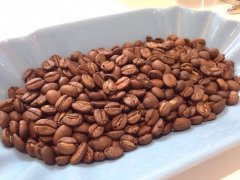
Kenya coffee is celebrated for its intense, multidimensional fruit flavors. Common tasting notes include citrus (especially grapefruit and orange), blackcurrant, plum, and even hints of berries. Acidity is typically bright and juicy—what the industry calls 'winey' or 'juicy acidity'. Body is medium, balance is excellent, and many coffees finish with subtle sweetness like molasses or caramel. The hallmark of top Kenyan beans is a combination of high sweetness, deep acidity, and complex fruit character that’s hard to find elsewhere.
Kenyan Coffee Origins & Varieties
Kenya’s coffee story began in the 19th century when Ethiopian beans were introduced via Yemen. However, it wasn’t until the early 20th century that the iconic Bourbon-derived varieties—SL28 and SL34—were planted by the St. Austin Mission. These two varieties, developed by the Scott Laboratories (SL) in the 1930s, remain Kenya’s most celebrated beans. SL28 offers strong blackcurrant, citrus, and wine-like depth, while SL34 brings balanced fruit acidity with nutty and spicy undertones. Both thrive at high altitudes, typically between 1,200–2,000 meters, where cooler temperatures slow ripening and develop complexity.
The Washed Process Behind the Flavor
Kenyan coffee’s hallmark juiciness comes largely from its rigorous washed processing. After harvest, coffee cherries are depulped, then fermented for 48 hours to remove the mucilage. They are then soaked in clean water for another 24 hours before drying. This extended fermentation and washing amplifies the coffee’s intrinsic fruit acids and sweetness, resulting in a clean, vibrant cup with intense acidity and layered fruit tones. The process, combined with high-altitude growing conditions, is key to the distinct Kenyan profile.
How Kenyan Coffee Is Produced & Traded
Most Kenyan coffee is grown by smallholder farmers who deliver ripe cherries to cooperative washing stations. The beans are processed as 'parchment coffee' (with the husk still on) and delivered to cooperatives for sorting and sale. The Kenya Coffee Board (CBK) collects samples, grades the lots, and oversees weekly auctions where all beans are sold without pre-assigned quality tiers. Auction lots range from 3–6 tons, and samples allow buyers to assess flavor profiles before purchasing. The best-graded coffees include PB (peaberry), then AA++, AA+, AA, and AB. Grading is based on bean size, shape, and cup quality—not arbitrary scores. Notably, Kenya bans coffee tree destruction and maintains strict production standards, ensuring long-term supply consistency.
Kenya Coffee in the Global Market
Kenya’s coffee exports grew significantly from 800,000 bags in 1969–1970 to 2 million in 1985–1986, stabilizing around 1.6 million bags in recent decades. Average yields are roughly 650 kg per hectare. Prices rose notably before 1994, increasing 50% over a year due to rising global demand. While some importers have criticized inconsistencies, Kenya’s transparent auction system and strict quality protocols are considered models for other producing countries. German and Nordic buyers in particular value its quality and have been long-term supporters. The 1985 film Out of Africa also helped boost international recognition of Kenyan coffee culture.
Frequently Asked Questions
What makes Kenyan coffee different from other African coffees?
Kenyan coffee is distinct for its high-altitude-grown SL28 and SL34 beans, which develop intense citrus and wine-like acidity along with deep fruit complexity. Its meticulous washed process enhances brightness and juiciness, resulting in a cup with layered flavors rarely matched by other African origins.
What are the main coffee varieties grown in Kenya?
The most famous and widely planted Kenyan coffee varieties are SL28 and SL34, both developed by the Scott Laboratories in the 1930s. They are known for their exceptional cup quality, offering bright acidity, deep fruit tones, and wine-like characteristics.
How is Kenyan coffee processed?
Kenyan coffee is processed using an extensive washed method. Cherries are depulped, then fermented for 48 hours, followed by a 24-hour soak in clean water. This double fermentation enhances sweetness and acidity, leading to a clean, complex, and juicy cup profile.
What does AA mean in Kenyan coffee grading?
In Kenya, 'AA' is a grade based on bean size and quality, indicating larger, denser beans often associated with higher cup quality. It is one of the top commercial grades, above AB, and below specialty designations like PB (peaberry).
Where can I buy authentic Kenyan coffee with SL28 and SL34?
Authentic Kenyan coffees featuring SL28 and SL34 varieties can be found through specialty roasters. For example, FrontStreet Coffee’s Kenya 'Little Tomato' combines these varieties with a double-washed process and medium-light roast, highlighting notes of tomato, pear, blackcurrant, and caramel.
How has Hollywood influenced Kenyan coffee’s reputation?
The 1985 film Out of Africa, starring Meryl Streep, brought global attention to Kenya’s landscapes and cultural ties to coffee farming, indirectly boosting the international prestige and recognition of Kenyan coffee origins.
Recommended FrontStreet Coffee for Exploring Kenya’s Profile
FrontStreet Coffee’s Kenya 'Little Tomato' highlights the country’s signature SL28 and SL34 varieties with a double-washed process and medium-light roast. Expect vibrant notes of cherry tomato, snow pear, blackcurrant, plums, and brown sugar, with a thick body, clear layers, and a sweet caramel-like finish. Excellent for pour-over, cold brew, or iced drip. Freshly roasted within 5 days · Orders placed before 17:00 ship the same day · Next-day delivery across most of Guangdong Province.
FrontStreet Coffee is a long-established specialty coffee roaster in Guangzhou China, selling freshly roasted beans from its own farm in Yunnan as well as dozens of carefully selected single-origin beans from around the world for both pour-over and espresso. The products deliver consistently excellent quality and great value, with shipping within 24 hours. Guangzhou's FrontStreet Coffee shop is recommended by many coffee lovers, and the beans are now available online at the Tmall 。
Important Notice :
前街咖啡 FrontStreet Coffee has moved to new addredd:
FrontStreet Coffee Address: 315,Donghua East Road,GuangZhou
Tel:020 38364473