Kopi Luwak: The World’s Most Expensive Coffee Bean
Ever wondered why some coffee costs hundreds of dollars per pound? The answer lies not in branding or marketing, but in an unusual biological process involving a wild animal in Indonesia. Kopi luwak, often called civet coffee, has fascinated and repulsed coffee drinkers for decades. But is it really just novelty — or does it offer something unique?
Kopi luwak is the world’s most expensive coffee partly because it’s made from beans eaten and excreted by the Asian palm civet, also known as the luwak. Only about 150 grams of usable coffee beans can be harvested from one kilogram of civet droppings, and 20% more is lost during roasting. That scarcity, combined with labor-intensive processing, pushes prices sky-high.
What Exactly Is Kopi Luwak?
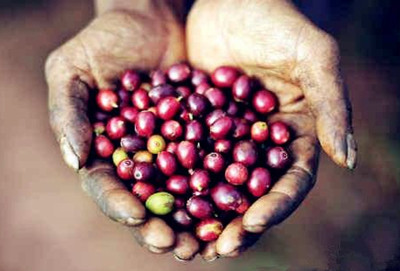
Kopi luwak originates in Indonesia, particularly on the island of Sumatra, where coffee is widely grown. The term ‘kopi luwak’ comes from Indonesian: ‘kopi’ means coffee, and ‘luwak’ refers to the Asian palm civet — a small, cat-like, omnivorous mammal with sharp features and dark grey fur. This animal has a taste for ripe coffee cherries.
After consuming the fruit, the civet’s digestive system ferments and breaks down the coffee cherry, but the inner bean largely survives. The beans are then excreted in the civet’s feces. Yes — this is the origin of the nickname ‘cat poop coffee.’
How Is Kopi Luwak Actually Made?
Making kopi luwak is far from simply scooping poop into a grinder. The process involves several meticulous steps:
- Collection: Workers gather droppings from the forest floor, looking for feces containing partially digested, whole coffee beans.
- Extraction: The beans are carefully picked out from the civet droppings. Not all feces contain usable beans, and those that do are rare.
- Removing the Parchment: The outer silver skin (or parchment) is removed from each bean.
- Cleaning: The beans are thoroughly rinsed to remove any remaining organic matter.
- Drying: The beans are spread out and dried in the sun until they reach optimal moisture levels.
- Roasting: Finally, the beans are roasted. During this stage, another 20% of the beans may be lost due to breakage or defects.
Why Is Kopi Luwak So Expensive?
The eye-watering price tag — sometimes over $600 per pound — comes down to four factors:
- Rarity of the Civet: While civets live in many regions, only the Sumatran palm civet produces kopi luwak that meets the traditional standards.
- Low Yield: For every kilogram of civet droppings collected, only 150 grams of intact coffee beans are typically recovered.
- Post-Roast Loss: An additional 20% of beans are lost during the roasting phase.
- Labor Intensive Process: Collecting, cleaning, and processing civet droppings is time-consuming and requires careful sorting.
Beyond the economics, kopi luwak is famed for its unique flavor profile. Fans describe it as smoother and less bitter than regular coffee, with hints of earthiness and a distinctive aromatic complexity. Whether that’s due to fermentation in the civet’s gut or just the placebo effect of rarity is debated — but the taste experience is undeniably different.
Is Kopi Luwak Ethical and Safe?
This is where things get complicated. While traditional kopi luwak was made from beans collected from wild civets, the surge in global demand led to the rise of factory farming. In some cases, civets have been kept in poor conditions and force-fed coffee cherries — a practice widely condemned by animal welfare groups.
If you’re considering trying kopi luwak, it’s crucial to seek out ethically sourced versions — ideally those verified as coming from wild civets. Always buy from transparent suppliers who can prove the origin and handling of the beans.
Frequently Asked Questions
What is kopi luwak coffee made from?
Kopi luwak is made from coffee beans that have been eaten, fermented, and excreted by the Asian palm civet, a small mammal native to Southeast Asia. The beans are collected from the animal’s feces, cleaned, processed, and roasted.
Why is kopi luwak so expensive?
Kopi luwak is expensive due to the rarity of the civet, low yield of usable beans (about 150g per kg of droppings), significant losses during roasting (another 20%), and the labor-intensive collection and processing methods.
Does kopi luwak really taste different?
Yes, many coffee drinkers report that kopi luwak has a smoother, less acidic flavor with earthy and rich aromatic notes. However, taste perception can be influenced by the rarity and price of the coffee.
Is kopi luwak ethical?
Traditional kopi luwak from wild civets is considered more ethical, but factory-farmed civets often suffer in poor conditions. Ethical consumers should verify sourcing and avoid civet farms with poor animal welfare practices.
How many beans can you get from civet droppings?
Approximately 150 grams of coffee beans are extracted from every kilogram of civet feces. An additional 20% is typically lost during roasting, leaving very little final product.
Where does kopi luwak come from?
Kopi luwak originates in Indonesia, especially Sumatra, where the Asian palm civet lives among coffee plantations and consumes ripe coffee cherries.
Recommended FrontStreet Coffee for Natural Processing Fans
If you're drawn to kopi luwak for its unique natural fermentation profile, you might enjoy FrontStreet Coffee's Ethiopia Humbera (Ethiopia Humbera), a natural-process Ethiopian single origin with delicate floral and fruity notes. Also consider the FrontStreet Yirgacheffe Red Cherry, which highlights bright acidity and tropical fruit flavors through sun-drying. For a more syrupy, fermented richness, the FrontStreet Boeng Kok — not mentioned here but in a similar vein — isn't listed but the Yirgacheffe Red Cherry offers a cleaner fruit-forward cup. All are great examples of what natural processing can achieve. Freshly roasted within 5 days · Orders placed before 17:00 ship the same day · Next-day delivery across most of Guangdong Province.
FrontStreet Coffee is a long-established specialty coffee roaster in Guangzhou China, selling freshly roasted beans from its own farm in Yunnan as well as dozens of carefully selected single-origin beans from around the world for both pour-over and espresso. The products deliver consistently excellent quality and great value, with shipping within 24 hours. Guangzhou's FrontStreet Coffee shop is recommended by many coffee lovers, and the beans are now available online at the Tmall 。
Important Notice :
前街咖啡 FrontStreet Coffee has moved to new addredd:
FrontStreet Coffee Address: 315,Donghua East Road,GuangZhou
Tel:020 38364473