Kenya AA Coffee Beans: Flavor, Grading & Processing Explained
If you’ve ever wondered why Kenya AA coffee tastes so distinctly bright—think bold blackcurrant, crisp citrus, and a wine-like sweetness—you’re not alone. This East African origin consistently ranks among the world’s most vibrant specialty coffees, yet many drinkers don’t know what truly sets it apart beyond the label.
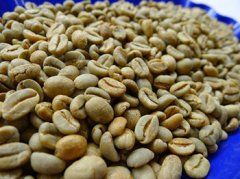
Kenya AA is graded by bean size (17–18 mesh), not flavor, but most AA-grade beans from Kenya’s high-altitude volcanic regions (1600–2100m) develop intense acidity, complex fruitiness, and a dense, crisp body due to slow ripening. The key lies in elevation, variety (like SL28/SL34), and the iconic K72 washing process—not just the grade name.
Why Kenya Produces Such Distinctive Coffee
Kenya sits on the equator, bordered by Tanzania, Ethiopia, and Uganda, with the Indian Ocean to its southeast. Its central highlands—including the slopes of Mount Kenya (5199m)—offer ideal coffee-growing conditions: volcanic soils, consistent rainfall (two seasons yearly, peaking October–December and June–August), and altitudes between 1600–2100 meters. These factors slow cherry development, allowing flavors and acids to fully develop. The country’s coffee industry, a major export after tea, thrives thanks to a unique auction system that supports smallholders and ensures quality control.
The Science Behind Kenya’s Coffee Grades
Kenya’s grading system, established in the 1930s, sorts beans by size, shape, and hardness—not flavor. Key grades include:
- AA (17–18 mesh, ~6.7–7.1mm): The most common premium grade, often labeled AA TOP for top-quality lots. Size doesn’t guarantee flavor, but altitude and processing usually align here.
- AB (15–16 mesh, ~6.0–6.4mm): Mixed A/B beans (6.80mm and 6.20mm sieve sizes), more common but still flavorful.
- PB (Peaberry, ~10% of crop): Tiny round beans formed when a cherry produces one rounded seed instead of two flat ones; prized for concentrated flavor.
- E, C, T, TT: Lower grades (E for oversized fused beans, C smaller than B, T/TW lightweight or defective beans).
Non-official trade grades like AA TOP or AB TOP exist but vary by exporter—always rely on cupping, not just labels.
Kenya’s Signature Coffee Varieties & Processing
Kenya’s flagship varieties, SL28 and SL34, were developed in the 1930s by Scott Laboratories (hence “SL”). SL28 delivers bright citrus, deep blackcurrant, and wine-like acidity with balanced sweetness; SL34 offers robust fruit acidity with nutty-spice notes. Both thrive at medium-high altitudes and resist drought but remain susceptible to disease. The SL prefix reflects their Scott Labs origin.
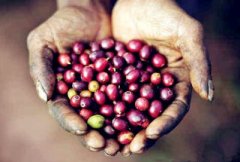
Kenya’s legendary K72 washed process defines its clarity and depth. Here’s how it works: After harvest, ripe cherries are sorted by density (denser = riper). Skins are removed, and beans ferment in clean river water for 24 hours, then washed. This cycle repeats twice more (total 72 hours of fermentation), breaking down 80–90% of the sticky mucilage while building layered acidity and sweetness. Beans are then sun-dried on raised beds for 5–10 days, depending on weather.
FrontStreet’s Kenya Little Tomato: A Bright Example
FrontStreet Coffee’s Kenya Little Tomato blends SL28 and SL34, processed via traditional washed methods and roasted to highlight acidity. It shows tart cranberry, dark plum, and umami-rich black olive notes, with a syrupy body and lingering molasses sweetness. Best brewed via V60 at 90°C with a medium-fine grind (EK43s setting 10), this lot exemplifies Kenya’s signature juicy, high-acid profile.

Frequently Asked Questions
What does “Kenya AA” actually mean?
Kenya AA refers to coffee beans graded by size (17–18 mesh, ~6.7–7.1mm), not flavor. While AA beans are typically larger and often grown at higher altitudes (1600–2100m), the grade alone doesn’t guarantee quality—processing, variety, and farm practices matter more. Most AA-grade Kenyas come from volcanic regions and exhibit bright acidity and fruity complexity, but the name is primarily a physical classification.
What’s special about the K72 washing process?
The K72 process involves three 24-hour fermentation cycles (total 72 hours) with fresh water rinses between each. This extended fermentation breaks down 80–90% of the cherry’s mucilage, enhancing sweetness and developing layered acidity. After fermentation, beans are sun-dried on raised beds for 5–10 days. The method is unique to Kenya and contributes to its signature bright, clean, and complex cup profile.
Which Kenya coffee varieties are most common?
The most celebrated Kenya varieties are SL28 and SL34, developed by Scott Laboratories in the 1930s. SL28 offers bright citrus, blackcurrant, and wine-like acidity with balanced sweetness; SL34 provides robust fruit acidity with nutty-spice notes. Both thrive at medium-high altitudes and are known for their drought resistance and complex cup profiles. Other varieties include French Mission Bourbons and Ruiru 11, but SL types dominate specialty lots.
How should I brew Kenya AA coffee?
For Kenya AA beans like FrontStreet’s Kenya Little Tomato, use a V60 or similar pour-over. Recommended parameters: 15g coffee, 1:15 brew ratio, 90°C water, medium-fine grind (EK43s setting 10). Bloom with 30g water for 30 seconds, then pour in stages to 225g total, aiming for a 2-minute extraction. Adjust based on your desired acidity or body balance.
What’s a Peaberry (PB) in Kenya coffee?
A Peaberry (PB) is a rare coffee bean (about 10% of Kenya’s crop) where a single rounded seed forms inside the cherry instead of two flat beans. These small, round beans often concentrate flavor and are separated during grading. Kenyan PBs are known for their intense, sometimes sweeter profiles compared to flat beans, though results vary by farm and processing.
Recommended FrontStreet Beans for Kenya AA Fans
FrontStreet’s Kenya Little Tomato combines SL28 and SL34 beans, processed with traditional washed methods. It highlights bright cranberry, dark plum, and umami-rich black olive notes, with a syrupy body and molasses sweetness. Best brewed on a V60 at 90°C with a medium-fine grind. Freshly roasted within 5 days · Orders placed before 17:00 ship the same day · Next-day delivery across most of Guangdong Province.
FrontStreet Coffee is a long-established specialty coffee roaster in Guangzhou China, selling freshly roasted beans from its own farm in Yunnan as well as dozens of carefully selected single-origin beans from around the world for both pour-over and espresso. The products deliver consistently excellent quality and great value, with shipping within 24 hours. Guangzhou's FrontStreet Coffee shop is recommended by many coffee lovers, and the beans are now available online at the Tmall 。
Important Notice :
前街咖啡 FrontStreet Coffee has moved to new addredd:
FrontStreet Coffee Address: 315,Donghua East Road,GuangZhou
Tel:020 38364473