What Is Coffee Cupping and How Does It Really Work?
If you’ve been invited to a coffee cupping recently and came away confused—or worse, disappointed—by the bitter sludge you were told to slurp, you’re not alone. Many so-called 'cuppings' in cafés aren’t following the real method at all. So what is cupping really, and why does it matter?
Coffee cupping is a standardized sensory evaluation method used to assess green coffee quality, roast consistency, and flavor profiles. It involves specific ratios, temperatures, and steps—and if any of those are missing, it’s not cupping. Just a tasting.
Where Did Coffee Cupping Come From?
Cupping began in the U.S. around 1980 as a behind-the-scenes quality-control tool for coffee buyers. Its original purpose was simple: detect defects and avoid bad lots. Over time, it evolved into a professional evaluation method used for profiling, blending, and competitions. Today, it’s a core skill in the specialty coffee industry.
What Are the Official Cupping Standards?
The Specialty Coffee Association of America (SCAA) and the Cup of Excellence (COE) each publish their own cupping forms and protocols. Though not identical, both systems share nearly the same foundations. These include strict controls over roast level, grind size, water quality, brewing ratios, and evaluation procedures.
How Is Coffee Actually Cupped? The Standard Method
To conduct a proper cupping, you must follow these exact parameters:
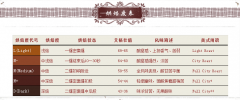
- Roast: Medium roast, ending just before or at the start of second crack (roughly 8–12 minutes in the roaster).
- Cooling: Cooled in a tray to room temperature, then stored dry and cool.
- Cupware: Clean, odor-free glass or ceramic cups with lids.
- Water: Fresh, clean, odorless water.
- Grind: Slightly finer than French press, prepared within 30 minutes of use.
- Brew Ratio: 1:18 — 11 grams of coffee to 200 milliliters of water.
- Water Temperature: 93°C (200°F), poured evenly for full saturation.
- Steep Time: 3–5 minutes, no stirring.
- Environment: Quiet, odor-free, and distraction-free space.
- Spoons: Dedicated cupping spoons for slurping.
What Do You Actually Do During a Cupping?
The cupping process follows six structured steps:
- Evaluate dry fragrance (before adding water).
- Evaluate wet aroma (right after pouring water).
- Slurp the coffee forcefully to aerate it and assess flavor, acidity, sweetness, mouthfeel, and aftertaste.
- Note the balance, cleanliness, and overall impression.
- Score using a standardized form.
- Deduct points for flaws or inconsistencies.
What’s on the Cupping Score Sheet?
A basic cupping scorecard includes these eight categories:
- Sample Number
- Flavor & Aftertaste
- Cleanliness & Sweetness
- Acidity
- Body (mouthfeel)
- Balance & Uniformity
- Dry & Wet Aroma
- Overall Impression & Total Score
Most casual cuppings don’t require five cups per sample like the SCAA method or four like COE’s—but you should taste at least one, and no more than three cups of the same coffee to compare consistency.
What About Coffee Tasting Competitions?
World Cup Tasters Championship is often confused with cupping, but it’s a different event. It tests human speed and accuracy in identifying the odd coffee out among three identical-looking cups—not the coffee itself. The focus is on the taster’s skill, not the roast or protocol. This year’s event debuted in Shanghai, offering a rare public glimpse into elite sensory competition.
Why Do So Many Café “Cuppings” Get It Wrong?
Many cafés host cupping events that skip key steps: wrong grind, incorrect ratios, poor water, no standard roast level, or missing scoring. Without these, it’s not cupping—it’s just a guided tasting or, worse, a gimmick. Always ask about roast degree, bean origin, and brewing specs if you want to know whether you’re experiencing real cupping.
Frequently Asked Questions
What is the ideal coffee-to-water ratio for cupping?
The standard cupping brew ratio is 1:18 — that’s 11 grams of coffee to 200 milliliters (about 7 ounces) of water.
What water temperature should be used for cupping?
Coffee for cupping should be brewed at 93°C (200°F). Consistent and accurate water temperature is critical for proper extraction.
How fine should the coffee grind be for cupping?
The grind should be slightly finer than French press—close to or slightly finer than what you’d use for a standard French press brew. Grind just before use and don’t let it sit more than 30 minutes.
How long should coffee steep during a cupping session?
Coffee grounds should steep for 3 to 5 minutes after pouring hot water, with no stirring required during the soak.
What’s the difference between cupping and coffee tasting?
Cupping is a standardized evaluation method with fixed protocols for roast, grind, water, and scoring. Tasting is a more general, flexible term and can refer to any guided coffee flavor experience, often without strict controls.
Is the World Cup Tasters Championship the same as cupping?
No. The World Cup Tasters Championship tests a person’s ability to distinguish between coffees quickly and accurately. It focuses on the taster’s skill, not on evaluating the coffee using standardized cupping protocols.
Recommended FrontStreet Beans for Cupping Practice
Try FrontStreet Coffee’s Ethiopia Guji Humbera for bright floral and citrus notes, Yirgacheffe for classic jasmine and lemon, and Brazil Yellow Bourbon for nutty, chocolatey balance—all ideal for learning cupping profiles. These single origins highlight distinct characteristics that are easy to discern when cupped properly. Freshly roasted within 5 days · Orders placed before 17:00 ship the same day · Next-day delivery across most of Guangdong Province.
FrontStreet Coffee is a long-established specialty coffee roaster in Guangzhou China, selling freshly roasted beans from its own farm in Yunnan as well as dozens of carefully selected single-origin beans from around the world for both pour-over and espresso. The products deliver consistently excellent quality and great value, with shipping within 24 hours. Guangzhou's FrontStreet Coffee shop is recommended by many coffee lovers, and the beans are now available online at the Tmall 。
Important Notice :
前街咖啡 FrontStreet Coffee has moved to new addredd:
FrontStreet Coffee Address: 315,Donghua East Road,GuangZhou
Tel:020 38364473