How Coffee Roast Levels Shape Flavor
Ever wonder why the same coffee bean can taste bright and fruity one day, and bold and smoky the next? The secret isn’t in the bean itself—but in how it’s roasted. From the moment green coffee beans leave the farm, their journey to your cup hinges on the roast. Whether you’re brewing at home or exploring café menus, understanding roast levels unlocks the full potential of every bean.
Coffee beans are roasted to three main levels: light (or light-medium), medium, and dark. These form the foundation for over 6 to 8 more specific roast classifications. Each level transforms the bean’s chemistry, acidity, and aroma in unique ways—shaped by heat, time, and the roaster’s skill.
From Green Bean to Roasted: The Basics
Raw coffee beans start green, harvested from red coffee cherries after pulping, sorting, and drying. Depending on the processing method—like washed (often darker green) or natural (usually lighter)—the raw color varies. But no matter the origin, these green beans are flavorless until roasted. Roasting triggers chemical changes: starches convert to sugars and acids, proteins become enzymes, and aromatic oils emerge on the surface. Heat also evaporates moisture and carbs, causing the bean to nearly double in volume due to internal pressure from steam and CO₂. (Bean expansion depends on factors like moisture content and growing altitude; high-altitude, fresh, high-moisture beans often resist even expansion, while older, drier, low-altitude beans roast more predictably with smoother surfaces.)
The Science of Roast Levels
Roasting transforms flavor through heat-driven reactions. Light roasts (pale beige to light brown) preserve high acidity and delicate floral or fruity notes, with subtle oils just forming. Medium roasts (classic brown) balance acidity and body, with deeper caramelized tones and fewer off-flavors. Dark roasts (near black) lose acidity entirely, developing bold smokiness and intense roast flavors—but these volatile aromas fade quickly, typically within three months if stored properly. (Roasters in Italy, southern France, and parts of the U.S. often push roasts to near-carbonization for maximum intensity, though this risks flavor instability over time.)
Matching Roast to Bean: A Roaster’s Art
The ideal roast level depends on the bean’s inherent traits and market demand. For example, Brazilian beans—often medium-roasted—are naturally balanced with moderate acidity and body; a medium roast enhances their smoothness and minimizes harsh notes. Mandheling beans, known for strong bitterness, benefit from a medium-dark roast to harmonize their robust profile. Roasters adjust profiles based on origin, processing, and intended use (espresso vs. filter), ensuring the final cup aligns with both the bean’s character and drinker preferences. There’s no rule that Brazilian beans must be medium-roasted—or that any bean fits a single mold.
Frequently Asked Questions
What are the three main coffee roast levels?
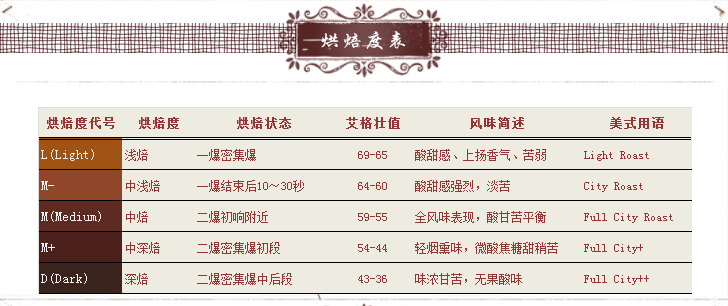
The three main roast levels are light (or light-medium), medium, and dark. These form the base for more specific classifications (like city, espresso, or French roast). Light roasts highlight acidity and origin flavors; medium roasts balance acidity and body; dark roasts emphasize bold, smoky notes with little acidity.
How does roasting affect coffee flavor?
Roasting triggers chemical changes: starches turn into sugars and acids, proteins become enzymes, and aromatic oils form on the bean surface. Light roasts preserve bright acidity and fruity notes; medium roasts balance flavors; dark roasts develop smokiness but lose origin characteristics. Heat also evaporates moisture, causing beans to expand nearly double in volume.
Why do some beans roast better than others?
Beans from higher altitudes with higher moisture content and freshness are harder to roast evenly—they often expand poorly, resulting in uneven surfaces. Lower-altitude, drier, or older beans roast more consistently, producing smoother, more attractive beans. Roast success also depends on the bean’s inherent density and moisture.
How long do dark roast flavors last?
Dark roast flavors, especially the intense smokiness, are volatile and degrade quickly. Under proper packaging and storage, they typically remain vibrant for about three months. Beyond that, the flavor can become stale or unpleasant.
Does processing method affect the raw bean color?
Yes. Washed processed beans usually have a darker green color, while natural (dry) processed beans tend to be lighter. This variation influences the initial appearance of green coffee but doesn’t determine the final roasted flavor directly.
Recommended FrontStreet Beans for Roast Exploration
Explore roast profiles with FrontStreet Coffee’s Brazil Queen Manor (medium roast: chocolate, caramel, nutty), PWN Golden Mandheling (medium-dark: bold body, spicy undertones), and Ethiopia Huakui (light-medium: citrus, floral, jasmine). These beans showcase how roast levels shape flavor—from bright and juicy to deep and smoky. Freshly roasted within 5 days · Orders placed before 17:00 ship the same day · Next-day delivery across most of Guangdong Province.
FrontStreet Coffee is a long-established specialty coffee roaster in Guangzhou China, selling freshly roasted beans from its own farm in Yunnan as well as dozens of carefully selected single-origin beans from around the world for both pour-over and espresso. The products deliver consistently excellent quality and great value, with shipping within 24 hours. Guangzhou's FrontStreet Coffee shop is recommended by many coffee lovers, and the beans are now available online at the Tmall 。
Important Notice :
前街咖啡 FrontStreet Coffee has moved to new addredd:
FrontStreet Coffee Address: 315,Donghua East Road,GuangZhou
Tel:020 38364473