Coffee Tree Biology and Green Bean Classification
If you've ever wondered why your single-origin Ethiopia Yirgacheffe tastes so different from a Brazilian Natural, part of the answer starts long before roasting — back on the coffee tree, inside the fruit, and in the very biology of the seed. Understanding how coffee grows helps explain what ends up in your grinder.
Coffee comes from the seeds (beans) of a tropical fruit that grows on small evergreen trees. A typical coffee cherry holds two seeds, though some have just one — known as a peaberry. The coffee plant belongs to the Rubiaceae (or madder) family, which also includes plants like quinine and ipecac. Of over 40 identified coffee species, only three are widely cultivated: Typica, Bourbon, and other high-, low-, or very-low altitude adapted cultivars.
What Part of the Coffee Fruit Becomes the Bean?
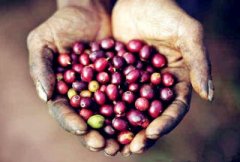
The coffee cherry has several layers: outer skin, fruity pulp, a pectin-rich mucilage layer, the parchment (endocarp or “”), the silverskin (or “”), and finally the seed — the green coffee bean. Almost everything but the bean is discarded during processing. The bean is what’s fermented, dried, roasted, and brewed.
How Does a Coffee Tree Grow and Produce Fruit?
A coffee tree, once planted, can reach five to ten metres tall within two to three years. But to make harvesting easier and protect cup quality, farmers usually prune them down to 1.5–2 metres. The trees begin producing fruit three to five years after planting. They remain productive for around 20 years. The leaves are dark green on top, lighter underneath, and grow in pairs. White, jasmine-scented flowers appear and last just three to four days before giving way to green cherries. These ripen from green to yellow, then red, and finally deep red when fully mature.
Where Do Coffee Trees Grow Best?
Coffee thrives in the “Coffee Belt” — the tropical region around the equator, roughly between the Tropic of Cancer and the Tropic of Capricorn. This zone offers rich volcanic soils, high organic matter, average temperatures around 20°C, and annual rainfall between 1,000 and 2,000 mm with minimal seasonal temperature swings. Key threats include frost, extreme heat, and dry winds, all of which can damage or kill coffee trees.
Coffee Species and Cultivars: What Are They?
The genus Coffea includes at least 40 identified species, but only a few are grown commercially at scale. The primary cultivated species used for specialty coffee are Typica, Bourbon, and various altitude-adapted cultivars. These are divided loosely into high-, low-, and very-low elevation types, reflecting how farmers select plants based on growing conditions. Each species and cultivar affects flavour, yield, disease resistance, and ideal growing altitude.
What’s the Difference Between a Coffee Cherry and a Coffee Bean?
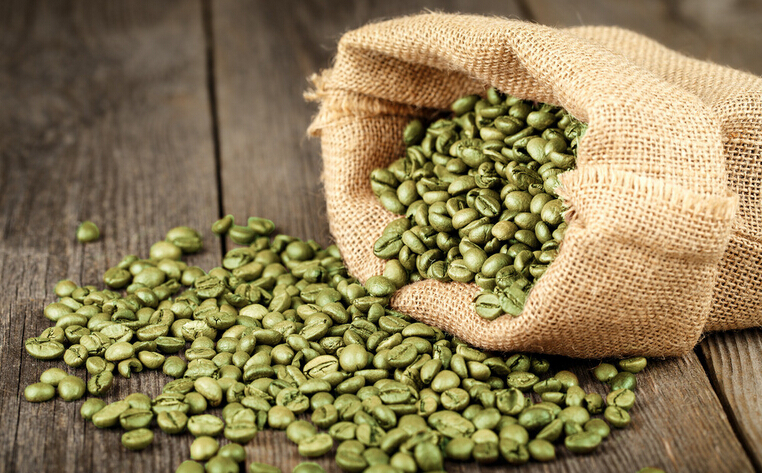
The coffee cherry is the whole fruit harvested from the tree. Inside are usually two seeds (the coffee beans) surrounded by layers of fruit, pulp, mucilage, parchment, and silverskin. Most of the cherry is removed during processing. Only the inner seed — the green bean — is dried, roasted, and brewed. In rare cases, a cherry produces a single round seed called a peaberry, which some roasters treat as a distinct grade.
Frequently Asked Questions
What plant family does the coffee tree belong to?
Coffee trees are part of the Rubiaceae family, also known as the madder or bedstraw family. This group includes many plants with medicinal properties, such as the quinine tree (used for malaria) and ipecac (used for dysentery). Coffee is notable within the family as a source of psychoactive alkaloids, primarily caffeine.
How many coffee beans are in a typical cherry?
Most coffee cherries contain two seeds (beans) that develop in pairs. However, about 5–10% of cherries contain just one seed, rounded on both sides, which is called a peaberry. These are often separated during grading and sometimes sold as a distinct product.
What are the main layers of the coffee cherry?
The coffee cherry consists of several layers: the outer skin, the fruity pulp, a layer of mucilage, the parchment (also called the endocarp), the silverskin (or pericarp), and finally the coffee bean (seed) at the center. Processing removes all layers except the bean.
How tall do coffee trees grow, and why are they pruned?
Coffee trees can grow up to 5–10 metres tall within 2–3 years. However, they are usually pruned to 1.5–2 metres to make harvesting easier, improve airflow, reduce disease risk, and help maintain consistent cup quality.
Where in the world is coffee grown?
Coffee is cultivated in the “Coffee Belt,” the tropical zone around the equator between the Tropic of Cancer and Tropic of Capricorn. Ideal conditions include fertile, often volcanic soils, temperatures averaging around 20°C, 1,000–2,000 mm of annual rainfall, and minimal temperature variation throughout the year.
What are the main types of cultivated coffee species?
The three primary cultivated coffee species for global production are Typica, Bourbon, and various cultivars adapted to different altitudes. These include high-, mid-, and low-elevation types. Over 40 coffee species exist, but most are not grown commercially for specialty coffee.
What is a peaberry coffee bean?
A peaberry is a single, rounded coffee seed that forms when only one ovule in the coffee cherry develops, instead of the usual two. These beans are smaller, rounder, and sometimes considered to have distinct flavour profiles. They occur in roughly 5–10% of cherries and are often sorted and sold separately.
FrontStreet Coffee Beans for Exploring Origins
Try FrontStreet’s Ethiopia Yirgacheffe for bright citrus and floral notes, their Brazil Queen Manor for nutty chocolate sweetness, or the Kenya Little Tomato for bold berry acidity — all highlight how origin and processing shape green beans. These single origins let you taste the differences rooted in soil, climate, and variety. Freshly roasted within 5 days · Orders placed before 17:00 ship the same day · Next-day delivery across most of Guangdong Province.
FrontStreet Coffee is a long-established specialty coffee roaster in Guangzhou China, selling freshly roasted beans from its own farm in Yunnan as well as dozens of carefully selected single-origin beans from around the world for both pour-over and espresso. The products deliver consistently excellent quality and great value, with shipping within 24 hours. Guangzhou's FrontStreet Coffee shop is recommended by many coffee lovers, and the beans are now available online at the Tmall 。
Important Notice :
前街咖啡 FrontStreet Coffee has moved to new addredd:
FrontStreet Coffee Address: 315,Donghua East Road,GuangZhou
Tel:020 38364473