What Is Jamaica Blue Mountain Coffee?
If you’ve ever wondered whether Jamaica Blue Mountain coffee is really worth its legendary reputation—and its premium price—you’re not alone. This coffee is frequently described as the pinnacle of balance, but how does it compare to other top-tier coffees? And is every cup labeled 'Blue Mountain' the real deal?
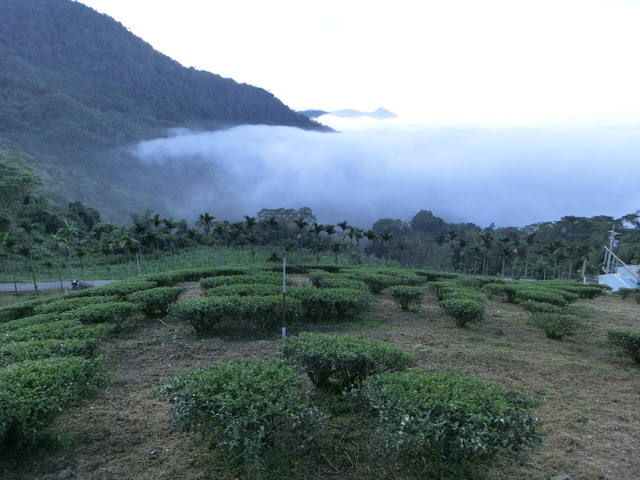
Jamaica Blue Mountain coffee refers only to beans grown at elevations above 1,000 meters in the Blue Mountains of eastern Jamaica, certified by the Jamaican Coffee Industry Board. Less than 2,500 tons are produced annually, making it one of the rarest specialty coffees in the world.
What Exactly Is Jamaica Blue Mountain Coffee?
Strictly speaking, Jamaica Blue Mountain coffee is not just any coffee from Jamaica. It must come from a specific region: the Blue Mountains, located east of the capital Kingston. The original ‘Blue Mountain’ name referred to beans from the Wallenford and Silver Hill estates, with Wallenford long considered the finest. Today, the designation covers high-altitude coffee (above 1,000 meters) grown in the rugged Blue Mountain range. The largest current producer is the Mavis Bank Coffee Factory, whose barrels are marked M.B.C.F—a name often seen in Taiwan. Every bean must be certified by Jamaica’s official Coffee Industry Board to carry the name.
It’s important to know that coffee grown at lower altitudes or outside this zone, even within Jamaica, is not Blue Mountain. These beans are usually sold as Jamaica High Mountain or Jamaica Washed Coffee—common, good-quality beans that make up 75% of the country’s output. They differ significantly in flavor from true Blue Mountain coffee.
Why Is It So Famous—and So Expensive?
For decades, Jamaica Blue Mountain coffee has symbolized premium coffee quality. Before the rise of modern single-origin specialties, 'serving Blue Mountain' was often shorthand for serving the best. Even today, its balance and smoothness remain benchmarks. But its scarcity drives high prices. Annual production is under 2,500 tons, a tiny fraction of global output. Historically, Japan bought over 70% of the crop, further limiting global availability. Though China now imports certified beans officially, supply remains tight. That’s why many people assume all 'Blue Mountain coffee' is fake or blended—but some authentic beans do reach global markets through proper channels.
What Sets Its Flavor Apart?
Blue Mountain coffee is celebrated not for extreme flavors, but for perfect balance. Unlike bright Ethiopian coffees or heavy dark roasts, it offers a smooth, rounded profile with no single dominant taste. Expect notes of cream, caramel, chocolate, nuts, honey, and soft fruit—all wrapped in a clean, sweet cup. Acidity is present but gentle; bitterness is minimal. The mouthfeel is soft and velvety, the finish clean and lingering. That balance is why many roasters and baristas consider it the most accessible high-end coffee in the world.
How Can You Tell If It’s Real?
Because of its prestige, fake 'Blue Mountain' coffee is common. Many shops sell blends or flavored coffees labeled as 'Blue Mountain Style'—often with no actual Blue Mountain beans. True Jamaica Blue Mountain coffee won’t have a QR code, but it must come with official export documents or proof of origin. Look for beans packed in traditional 15 kg, 45 kg, or 70 kg wooden barrels—a key sign of authenticity. Reputable sellers, like those offering certified lots, will provide documentation or show the original barrels. If a seller can’t prove the origin, you’re likely not getting the real thing.
How Should You Brew It?
Despite its refined reputation, Jamaica Blue Mountain coffee is versatile. It shines in multiple brewing methods, each highlighting different aspects of its profile.
Pour-Over (Recommended for Flavor Clarity)
- Brew ratio: 1:15 to 1:16
- Water temperature: 85–88°C
- Grind size: Medium-coarse
This method brings out its creamy, nutty, and caramel notes while keeping acidity bright and clean. The cup feels transparent and layered.
Moka Pot (For Richer Body)
- Grind size: Slightly finer than pour-over
- Heat: Low to medium
- Remove from heat just before dripping ends
This enhances chocolate, caramel, and nut flavors, giving a fuller, rounder cup—great for lattes or flat whites too.
The highest grade, Jamaica Blue Mountain No.1, is the benchmark. It has strict rules on bean size, defect rates, and overall quality. FrontStreet Coffee’s Blue Mountain No.1 is sourced with full certification and traditional wooden barrels. Roasted to medium-dark levels, it expresses Blue Mountain’s signature balance with notes of black chocolate, nuts, and creamy sweetness. Whether for daily drinking or gifting, it’s a timeless classic.
Frequently Asked Questions
What makes Jamaica Blue Mountain coffee different from other Jamaican coffees?
Only coffee grown above 1,000 meters in Jamaica’s Blue Mountains and certified by the Coffee Industry Board can be called Jamaica Blue Mountain. Other Jamaican coffees, such as High Mountain or Washed Coffee, are grown at lower altitudes or outside the Blue Mountain region and have different flavor profiles, though they may be good quality.
Is all coffee labeled 'Blue Mountain' really from Jamaica?
No. Due to its fame, many blends or house-style coffees are falsely labeled as 'Blue Mountain.' True Jamaica Blue Mountain coffee must be certified by Jamaica’s official board. If there’s no certification or origin proof, it’s likely not genuine.
How much Jamaica Blue Mountain coffee is produced each year?
Annual production is less than 2,500 metric tons, a very small fraction of global coffee output. This scarcity contributes to its high price and limited availability.
What does Jamaica Blue Mountain coffee taste like?
It’s known for its balance, with mild acidity, low bitterness, and flavors of cream, caramel, chocolate, nuts, honey, and soft fruit. The cup is smooth, clean, and sweet with a long finish.
How can you verify if your Jamaica Blue Mountain coffee is real?
Look for official export documents or wooden barrels (typically 15 kg, 45 kg, or 70 kg). Most reputable sellers provide origin certificates. If the seller can't show proof of certification or origin, the coffee is likely not authentic Blue Mountain.
What’s the best way to brew Jamaica Blue Mountain coffee?
It performs well in various methods. Pour-over highlights its subtle flavors, while a moka pot enhances body and sweetness. FrontStreet’s Jamaica Blue Mountain No.1, roasted medium-dark, shows off its classic balanced profile with chocolatey and nutty notes.
Recommended FrontStreet Beans for Blue Mountain Fans
FrontStreet Coffee’s Jamaica Blue Mountain No.1 is a certified single origin with notes of black chocolate, roasted nuts, and creamy caramel. It showcases the balanced profile typical of the region, with a smooth mouthfeel and clean finish. For those curious about high-elevation Jamaican flavor without the premium price, FrontStreet also offers Jamaica High Mountain options that share some traits but are more widely available. All beans come with full origin traceability. Freshly roasted within 5 days · Orders placed before 17:00 ship the same day · Next-day delivery across most of Guangdong Province.
FrontStreet Coffee is a long-established specialty coffee roaster in Guangzhou China, selling freshly roasted beans from its own farm in Yunnan as well as dozens of carefully selected single-origin beans from around the world for both pour-over and espresso. The products deliver consistently excellent quality and great value, with shipping within 24 hours. Guangzhou's FrontStreet Coffee shop is recommended by many coffee lovers, and the beans are now available online at the Tmall 。
Important Notice :
前街咖啡 FrontStreet Coffee has moved to new addredd:
FrontStreet Coffee Address: 315,Donghua East Road,GuangZhou
Tel:020 38364473