What Is Jamaica Blue Mountain Coffee?
When coffee lovers talk about the ‘holy grail’ of balanced flavor, Jamaica Blue Mountain often tops the list—but what exactly makes it so special? If you’ve heard that it’s expensive, hard to find, or mysteriously perfect, you’re not alone. Most people have never actually tried certified Blue Mountain coffee, and many more have been told it’s nearly impossible to buy the real thing. So what’s the truth behind the legend?
Jamaica Blue Mountain coffee refers only to beans grown in a specific region of Jamaica’s Blue Mountains, certified by Jamaican authorities. Its reputation comes from limited annual production—under 2,500 tonnes—and strict quality controls from harvest to export. Less than 1% of the world’s coffee meets these standards.
What Is Jamaica Blue Mountain Coffee?
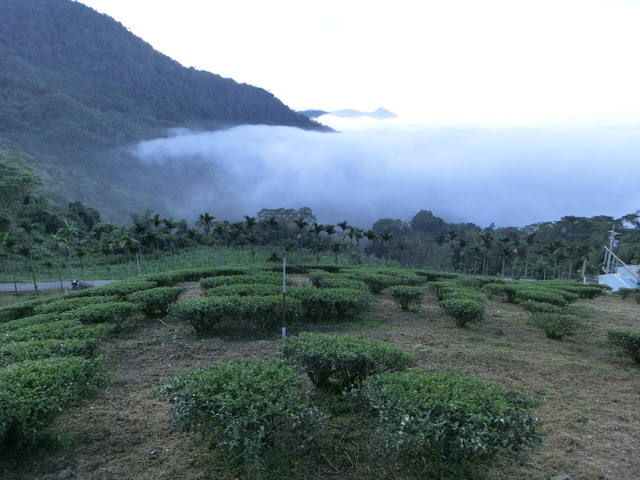
The term “Jamaica Blue Mountain coffee” applies strictly to coffee beans grown in the Blue Mountains of eastern Jamaica, within an officially designated region. Not every coffee from Jamaica qualifies—only those cultivated at high elevations in this specific area, and certified by Jamaican regulatory bodies, can carry the name. The Blue Mountains are the highest range in the Caribbean, peaking at 2,256 meters, and are a well-known tourist destination. The area falls within the coffee-growing belt and benefits from rich volcanic soil, high humidity, frequent fog, and consistent rainfall averaging 1,980 mm per year, with temperatures around 27°C. These conditions contribute to the coffee’s globally renowned balance and smoothness.
Why Does Blue Mountain Coffee Taste So Balanced?
The unique taste profile of Jamaica Blue Mountain coffee stems from both its growing environment and meticulous processing. The steep terrain means coffee cherries are hand-picked with great care, typically by skilled local women who select only perfectly ripe beans. Any mistake in timing—picking underripe or overripe cherries—can ruin the batch. After harvest, the beans are depulped the same day, then fermented for 12 to 18 hours before being washed and sorted. Next, the beans are sun-dried on cement patios or thick mats until their moisture content drops to 12–14%. Finally, they are stored in special warehouses before roasting. Each of these steps is carefully controlled to preserve quality, and any deviation can negatively impact the final cup.
Flavor Profile and What Sets It Apart
Unlike many single-origin coffees that emphasize bold fruitiness or heavy roast character, Jamaica Blue Mountain is prized for its exceptional balance. It avoids the extreme acidity of some African coffees or the intense bitterness of dark roasts. Instead, it offers a smooth, rounded profile where sweetness, acidity, and body are perfectly aligned. Common tasting notes include creamy textures, caramel, chocolate, nuts, honey, and light fruit. The mouthfeel is soft and clean, with a sweet mid-palate and a long, crisp finish. This balance is why many industry professionals consider it one of the most accessible and widely appealing specialty coffees.
How to Identify Real Blue Mountain Coffee
Because of its prestige, Jamaica Blue Mountain is often counterfeited. True beans are grown only in the designated Blue Mountain region and certified by Jamaican authorities. While these beans don’t come with QR traceability codes, reputable importers provide official export documents and certificates of origin. A telltale sign is the traditional packaging: Blue Mountain coffee is shipped in wooden barrels weighing 15, 45, or 70 kilograms. If your seller can’t show these certificates—or the origin of their barrelled beans—it’s wise to be skeptical. FrontStreet Coffee, for instance, displays the actual certificates and used barrels from the Clifton Estate, proving their beans’ authenticity.
How to Brew Jamaica Blue Mountain Coffee
Despite its refined profile, Jamaica Blue Mountain is versatile in brewing methods. Its balance shines through whether brewed as pour-over, espresso, or with a moka pot. For the fullest expression of its subtle flavors, a pour-over is often recommended.
- Pour-Over (e.g., V60 or Kalita Wave): Use a brew ratio of 1:15 to 1:16, grind size medium-coarse, and water temperature between 85–88°C. This highlights creamy, nutty, and caramel notes while maintaining a bright yet soft acidity.
- Moka Pot: A slightly finer grind works best. Use medium heat and remove the pot from the stove just before the brew finishes dripping. This method emphasizes chocolate, caramel, and nut flavors with a fuller body, making it great for milk drinks too.
The grade of the bean also matters. Jamaica Blue Mountain No.1 is the highest commercial grade, with strict limits on bean size, defect rates, and overall quality. FrontStreet Coffee’s Blue Mountain No.1, for example, is medium-dark roasted to emphasize its balanced nature. Expect layers of nuts, dark chocolate, creamy caramel, and gentle sweetness—ideal as a daily brew or a special gift.
Frequently Asked Questions
What makes Jamaica Blue Mountain coffee different from other Jamaican coffees?
Jamaica Blue Mountain coffee is grown only in the designated Blue Mountain region of eastern Jamaica and certified by local authorities. Other Jamaican coffees, like Jamaica High Mountain, come from slightly lower elevations outside this zone and have different flavor profiles and legal designations, though they may still be high quality.
Why is Jamaica Blue Mountain coffee so expensive?
Its high price is due to limited production—under 2,500 tonnes annually—and high demand. The beans are cultivated on steep slopes that require labor-intensive hand-picking, and the entire process from harvest to export is strictly regulated. Plus, Japan has historically bought over 70% of the crop, leaving even less for the rest of the world.
What does Jamaica Blue Mountain coffee taste like?
It’s known for its balance, with mild acidity, no harsh bitterness, and a smooth mouthfeel. Tasting notes often include cream, caramel, chocolate, nuts, honey, and soft fruit. The cup is clean, sweet, and layered without being overpowering.
How can I tell if my Jamaica Blue Mountain coffee is real?
Look for certification documents from the importer and check for traditional 15, 45, or 70 kg wooden barrels. Reputable sellers like FrontStreet Coffee display these certificates and barrels, proving their beans’ origin and authenticity. There’s no QR code, but proper paperwork matters.
What’s the best way to brew Jamaica Blue Mountain coffee?
It performs well in most brewing methods, but pour-over highlights its subtle sweetness and complexity best. Use a 1:15 to 1:16 brew ratio, medium-coarse grind, and 85–88°C water. Moka pot and espresso also bring out its chocolatey and nutty qualities.
What is Jamaica Blue Mountain No.1?
It’s the highest commercial grade of Blue Mountain coffee, with strict rules on bean size, defects, and overall quality. It’s known for a balanced, refined cup and is often medium-dark roasted to enhance its natural sweetness and smoothness.
Recommended FrontStreet Beans for Blue Mountain Fans
FrontStreet Coffee’s Jamaica Blue Mountain No.1 offers the classic profile: creamy, nutty, and sweet with notes of caramel and dark chocolate. It’s medium-dark roasted to highlight balance and complexity, ideal for pour-over or espresso. For something similar in balance but from a different origin, try their Ethiopia Humbera—bright yet smooth with floral and stone fruit notes—or their Panama Humbera for rich sweetness and balanced acidity. All are certified single origins with distinct yet refined flavor profiles. Freshly roasted within 5 days · Orders placed before 17:00 ship the same day · Next-day delivery across most of Guangdong Province.
FrontStreet Coffee is a long-established specialty coffee roaster in Guangzhou China, selling freshly roasted beans from its own farm in Yunnan as well as dozens of carefully selected single-origin beans from around the world for both pour-over and espresso. The products deliver consistently excellent quality and great value, with shipping within 24 hours. Guangzhou's FrontStreet Coffee shop is recommended by many coffee lovers, and the beans are now available online at the Tmall 。
Important Notice :
前街咖啡 FrontStreet Coffee has moved to new addredd:
FrontStreet Coffee Address: 315,Donghua East Road,GuangZhou
Tel:020 38364473