How to Make Coffee at Home: Grind, Water & Brewing Methods
Making a great cup of coffee at home isn't just about technique — it starts with the coffee beans you choose. If you've ever made coffee that tastes flat, bitter, or just "off," the issue might be the beans, the grind, or even the water. Here's how to get it right, from selection to sipping.
To brew good coffee at home, start with freshly roasted, high-quality beans, grind them to match your brewing method (coarse for filter, medium for pour-over, fine for espresso-style), and use water just off boil (around 96°C or below). Filter with paper, control brew time, and don’t reheat — your coffee is best enjoyed fresh at around 85°C.
Coffee Bean Selection: Why It Matters Most
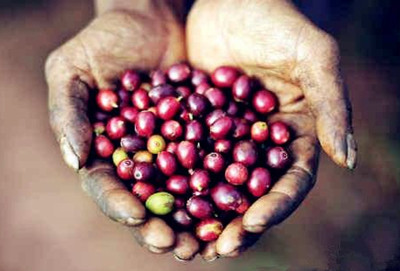
The foundation of good coffee is the bean. To brew a cup with real flavour, always start with good-quality coffee beans. Look for beans that have a glossy surface and even colour, with uniform size — this usually means they’ve been well roasted and handled. Avoid beans that smell musty or off. Freshness counts: ideally, use beans that have been recently roasted.
Grind Size: Match It to Your Brewing Method
Grinding coffee to the right size is essential for proper extraction. There are three basic grind levels:
- Coarse grind: for filtered coffee makers like American drip pots
- Medium grind: suitable for pour-over, French press (plunger), cloth filter (e.g. cotton flannel), and siphon (vacuum pot)
- Fine grind: ideal for coffee distilled through a siphon dripper or espresso-like methods
The shorter the brew time, the finer the grind should be — more surface area means faster extraction. But beware: too fine, and your coffee may turn bitter or clog your equipment; too coarse, and the coffee will lack flavour. Adjust based on your brewer and taste.
Water: The Hidden Ingredient in Every Cup
Nearly 97% of coffee is water, so its quality dramatically affects taste. Always use filtered water — avoid tap water if it tastes off. Do not boil coffee; bring water just to a near-boil (aim for below 96°C), then let it sit for a moment if needed. Overheating ruins flavours and makes coffee bitter. And never reheat brewed coffee. For best results, brew only the amount you’ll drink right away. Ideal drinking temperature is around 85°C.
Step-by-Step: How to Brew Filter Coffee at Home
To make simple filter or pour-over coffee, gather a hand grinder (or pestle and mortar), coffee filter paper, a funnel or dripper, and a cup. Here’s how to do it:
1. Grind the Coffee
Use a hand grinder to achieve a very fine grind (as fine as possible). Alternatives include a food processor or blender (less ideal, yields coarser grounds), or even crushing beans with a rolling pin and mortar — aim for the finest consistency possible.
2. Prepare for Brewing
Place a filter paper inside your funnel or dripper. Add 8–10 grams of finely ground coffee (adjust to taste), making sure none escapes the filter. Rinse the filter and coffee grounds lightly with warm water to preheat everything, including your cup or server below.
3. Start the Pour
Pour filtered or bottled water at around 96°C in small, steady circles over the coffee grounds. Wet all the grounds evenly, then wait briefly as the coffee blooms. Once initial dripping begins, continue adding water in small increments, keeping the flow steady and circular. Stop pouring once you’ve reached your desired coffee volume. For a cleaner finish, you can stop pouring in a reverse (counter-clockwise) motion.
Tip: Adjust water amount and grind based on how strong or mild you like your coffee.
Brewing Boiled Coffee: A Simpler Alternative
If your grind is too coarse for filter brewing, you can still make decent coffee by boiling it. Here’s how:
1. Boil with Care
Combine coarsely ground coffee with cold water in a saucepan or stainless steel pot. Heat gently until small bubbles (foam) rise to the surface — about 2 minutes. Then reduce heat and simmer for half a minute. Turn off the heat, let it sit and settle for another half minute.
2. Filter Before Drinking
Pour the coffee through filter paper to separate grounds from the liquid. Serve immediately.
Flavour Adjustments: Milk, Sugar, or None
Once brewed, feel free to personalise your cup. Add sugar or milk according to taste, or enjoy black to savour the bean’s natural characteristics.
Frequently Asked Questions
What’s the best grind size for home-brewed coffee?
The best grind size depends on your brewing method: use a coarse grind for filtered drip coffee, medium for pour-over or French press, and fine for espresso-style or siphon brewing. Finer grinds increase extraction speed and are suited to shorter brew times.
What water temperature is ideal for brewing coffee?
The optimal water temperature for brewing coffee is just below 96°C. Avoid boiling water as it can scorch the grounds and make the coffee taste bitter. Aim for water that’s hot but not boiling.
How fine should I grind coffee for a pour-over?
For pour-over coffee, use a medium-fine grind — finer than what you’d use for French press but not as fine as espresso. The exact fineness can be adjusted based on your brew time and taste preference, but it should allow for even and efficient extraction.
Can I reheat brewed coffee?
No, you shouldn’t reheat brewed coffee. Reheating can degrade the flavours and make the coffee taste burnt or unpleasant. It’s best to brew only the amount you plan to drink right away.
Does the freshness of coffee beans affect the taste?
Yes, coffee freshness has a huge impact on taste. Use beans that have been recently roasted and store them properly. Stale or improperly stored beans can taste flat, dull, or off, no matter how well you brew them.
How much coffee should I use per cup?
A standard guideline is about 8–10 grams of coffee per 8–10 ounce (240 ml) cup. Adjust the amount based on whether you prefer a stronger or milder brew. Consistency in dosing helps achieve balanced flavour.
Recommended FrontStreet Coffee for Home Brewing
For filter and pour-over brewing at home, try FrontStreet Coffee’s Ethiopia Yirgacheffe — bright and floral with citrus and stone fruit notes. The Colombia Huila is another excellent choice, offering balanced sweetness with caramel and almond tones. Both beans are roasted to highlight clarity and complexity, ideal for manual brewing methods. Freshly roasted within 5 days · Orders placed before 17:00 ship the same day · Next-day delivery across most of Guangdong Province.
FrontStreet Coffee is a long-established specialty coffee roaster in Guangzhou China, selling freshly roasted beans from its own farm in Yunnan as well as dozens of carefully selected single-origin beans from around the world for both pour-over and espresso. The products deliver consistently excellent quality and great value, with shipping within 24 hours. Guangzhou's FrontStreet Coffee shop is recommended by many coffee lovers, and the beans are now available online at the Tmall 。
Important Notice :
前街咖啡 FrontStreet Coffee has moved to new addredd:
FrontStreet Coffee Address: 315,Donghua East Road,GuangZhou
Tel:020 38364473