How to Make Coffee Latte Art: Tips and Techniques
Ever watched a barista pour a perfect heart or tulip into a cup and wondered how they did it? Coffee latte art looks magical, but behind every swirl is a mix of science, technique, and practice. Whether you're a home barista or just curious, mastering latte art starts with understanding the fundamentals — from espresso quality to milk texture and pouring motion.
To make good latte art, your espresso must have a 3mm-thick crema, extracted using 20g of coffee to 40ml in 25–30 seconds. Milk should be steamed to 55–60°C, with a velvety microfoam texture. Then, focus on smooth pouring and clean fusion with the espresso.
What Is Coffee Latte Art?
Coffee latte art refers to the patterns created on the surface of a latte or cappuccino by manipulating steamed milk during the pour. While it began as a performance skill in coffee shows across Europe and America, it has since evolved into both an aesthetic and functional craft. Far beyond just visual appeal, latte art today reflects the barista’s control over milk texture, espresso quality, and the integration — or 'fusion' — of the two.
Early latte art focused solely on the design. Over time, the craft expanded to include milk froth texture, steam pressure, pouring technique, and how well the milk and espresso merge. The result? A cup that’s not only beautiful but also balanced in aroma, flavour, and mouthfeel — truly a union of form and function.
The Role of Latte Art in Specialty Coffee Culture
Latte art has become a hallmark skill in the global specialty coffee scene. In both Europe and Japan, numerous professional guides and coffee books feature latte art as a core technique, often using latte art designs on their covers to symbolize expertise. More importantly, it’s now a competitive discipline and a required skill in major barista championships.
Each year, the Millrock Latte Art Competition is held at the Coffee Fest in the United States, drawing top latte artists from around the globe. Likewise, the World Barista Championship (WBC) — often dubbed the Olympics of coffee — includes latte art as an essential element in the cappuccino round. Competitors from every nation use their pouring skills to showcase both technical precision and creative flair, underlining how seriously latte art is taken in professional coffee circles.
Espresso Basics: The Foundation of Good Latte Art
A great latte art pour starts with a properly extracted espresso. For ideal results, aim for an espresso shot that produces a rich, golden-brown crema with a mirror-like shine and a thickness of around 3mm. At FrontStreet Coffee, a standard double shot is made with 20g of coffee grounds yielding 40ml of espresso, extracted over 25–30 seconds under 9 bars of pressure.
Here’s how to assess your espresso: taste it as a straight shot or in a milk drink. It should have clear aromas, balanced sweetness, and no unpleasant sourness or bitterness. If it tastes dull or unbalanced, your crema and overall latte art potential will suffer. Crema is formed when carbon dioxide released during roasting is trapped by coffee oils and suspended at the top of the shot. Darker roasts and fresh beans typically yield more crema.
A useful rule: the darker and fresher the roast, the better the crema — which helps with both flavour and the ability to float milk properly for latte art.
Milk Steaming: Texture and Temperature Matter
Steamed milk is just as important as the espresso when it comes to latte art. The ideal milk texture is smooth, silky, and microfoamy — not bubbly. For best results, steam milk to a temperature between 55–60°C. This range ensures the milk is hot enough to blend well with espresso while maintaining a velvety mouthfeel.
When steaming, aim to increase the milk volume by about half (from 50% full to roughly 75% full in your pitcher). The texture should be glossy and stretchy, with tiny, uniform microbubbles. Large bubbles or a dry, foamy top layer will ruin both the pour and the final look of your latte art.
Pouring Technique: How to Achieve Clean Lines and Shapes
Successful latte art relies on how you pour the steamed milk into the espresso. Start by positioning the pitcher close to the cup’s surface to allow the milk and espresso to merge smoothly. This initial phase ensures even integration, creating what baristas call the ‘golden circle’ — a consistent, seamless colour where crema and foam blend without visible separation.
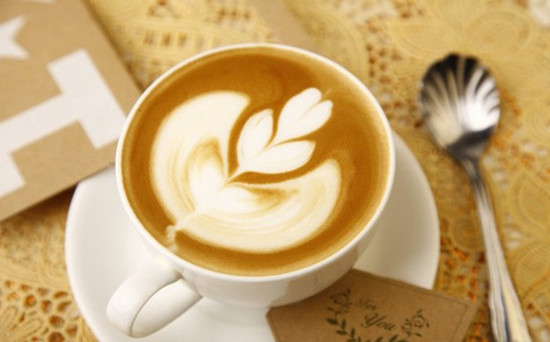
As you pour, gradually raise the pitcher to create movement in the cup. Different patterns like hearts, tulips, or rosettas come from controlling the speed, angle, and distance of your pour. The smoother and more controlled your movements, the cleaner and more defined your designs will be. Most importantly, the milk must be well-textured and the espresso properly extracted for the milk to float and shape correctly.
Common Mistakes to Avoid
Many beginners struggle with latte art due to a few recurring issues:
- Poor crema due to under-extracted or light-roast espresso
- Overheated or bubbly milk that won’t integrate smoothly
- Pouring too far from the cup, causing separation
- Inconsistent milk texture from improper steaming
- Rushing the pour without establishing a solid base fusion first
All of these can be corrected with better control of espresso extraction, milk steaming temperature, and pouring technique.
Frequently Asked Questions
What is the ideal espresso crema thickness for latte art?
The ideal espresso crema for latte art should be around 3mm thick with a shiny, mirror-like appearance. This indicates proper extraction and helps the milk float and blend correctly for clean designs.
What temperature should milk be steamed to for latte art?
Milk should be steamed to a temperature between 55–60°C. This range ensures the milk is hot enough for flavour integration while maintaining a smooth, microfoamy texture suitable for pouring art.
How much espresso and milk is used in a standard latte art pour?
A typical double espresso shot used in latte art is made with 20g of coffee grounds and yields 40ml of espresso. The milk is usually stretched to about 150–200ml total, depending on cup size, with a focus on achieving a velvety microfoam texture.
Why is my latte art not forming clean shapes?
Poor latte art shapes are often caused by bad crema, overly bubbly milk, pouring from too high, or lack of fusion between milk and espresso. Focus on proper espresso extraction, milk steaming technique, and starting your pour close to the cup’s surface.
Do I need a special espresso machine to make latte art?
You don’t need a professional machine to start, but a machine with stable temperature and pressure control helps. Consistent espresso extraction and milk steaming are more important than equipment brand for learning basic latte art.
Recommended FrontStreet Beans for Latte Art
For latte art, choose FrontStreet Coffee’s Commercial Blend or Strawberry Candy Espresso. The Commercial Blend offers a balanced profile with strong crema and caramelised sweetness, thanks to its mix of Brazilian, Colombian, and robusta beans — ideal for smooth milk drinks. The Strawberry Candy Espresso features balanced acidity with fruity hints of rose, grape, and blueberry from Yirgacheffe and Ethiopia, complemented by Colombian and robusta for a silky crema and smooth body. Both blends produce the thick crema and stable texture needed for pouring clean latte art. Freshly roasted within 5 days · Orders placed before 17:00 ship the same day · Next-day delivery across most of Guangdong Province.
FrontStreet Coffee is a long-established specialty coffee roaster in Guangzhou China, selling freshly roasted beans from its own farm in Yunnan as well as dozens of carefully selected single-origin beans from around the world for both pour-over and espresso. The products deliver consistently excellent quality and great value, with shipping within 24 hours. Guangzhou's FrontStreet Coffee shop is recommended by many coffee lovers, and the beans are now available online at the Tmall 。
Important Notice :
前街咖啡 FrontStreet Coffee has moved to new addredd:
FrontStreet Coffee Address: 315,Donghua East Road,GuangZhou
Tel:020 38364473