What Makes Hawaiian Kona Coffee So Special?
If you’ve ever wondered why Kona coffee commands such high prices—or whether that ‘Kona blend’ you bought is the real deal—you’re not alone. True Kona coffee isn’t just another Hawaiian brew: it’s a rare, strictly defined single-origin coffee grown in a tiny slice of volcanic soil on the Big Island, with a flavor profile and production story unlike any other.
The only true Kona coffee comes from the Kona region on Hawaii’s Big Island, grown on the volcanic slopes of Mauna Loa and Hualalai at 150–750 meters altitude. Less than 1,400 hectares are dedicated to Kona coffee, and genuine 100% Kona beans are extremely limited—most ‘Kona’ labeled coffee contains just 10% or less actual Kona beans.
What Is Kona Coffee?
Kona coffee is the only premium coffee variety produced in the United States. It is celebrated for its smooth, rich body, balanced acidity, and complex flavors with notes of nuts and caramel. The beans are known for their glossy appearance, full shape, and exceptional uniformity. Fresh Kona has a sweet, aromatic profile reminiscent of Hawaiian landscapes—gentle, clean, and lingering.
Where Is Kona Coffee Grown?
Kona coffee is exclusively cultivated on the western slopes of Mauna Loa and Hualalai in the Kona district of Hawaii’s Big Island. The growing area stretches roughly 30 kilometers, with plantings concentrated in the northern and southern parts of the region. The farms lie on relatively rugged terrain enriched by fertile volcanic soils. Altitudes between 150 and 750 meters provide ideal conditions for arabica cultivation.
How Is Kona Coffee Produced?
Kona coffee is still largely grown on small family farms, with around 600 independent farms averaging 18–42 acres each. Most operations rely on manual labor rather than mechanization, often within multi-generational family units. These farms collectively generate over $10 million annually from Kona coffee production. The coffee plants thrive in volcanic soil without major pest issues, especially at higher elevations. The beans are sorted and classified into three quality grades: Extra Fancy, Fancy, and Number One—all defined by strict Hawaiian agricultural standards.
What Does Kona Coffee Taste Like?
Better grades of Kona coffee offer a delicate balance of bright acidity and natural sweetness, with a medium body and a smooth, wet-processed mouthfeel. Flavors often include nuttiness, mild fruit, and subtle spice, with a clean, lingering finish. The best Kona has a caramel-like sweetness and an aromatic profile that invites slow, mindful sipping. Unlike heavier or more bitter coffees, Kona tends to be approachable and refreshing—likened to a stroll through sunlit Hawaiian fields.
Why Is Kona Coffee So Expensive?
Several factors contribute to Kona coffee’s high price. First, the growing area is extremely limited—only about 1,400 hectares are suitable. Second, production costs are high due to manual labor, steep terrain, and competition with Hawaii’s dominant tourism industry. Third, much of the coffee sold as ‘Kona’ is actually a low-percentage blend (as little as 5%, and legally no less than 10% in the U.S.). Genuine 100% Kona coffee is rare outside Hawaii, and even blended versions using Kona beans must clearly state the percentage on the label.
What Is Kona Blend Coffee?
In the U.S., a product labeled ‘Kona blend’ may contain as little as 10% actual Kona coffee beans—the legal minimum. The remainder is typically lower-grade coffee from other regions. These blends are far more common—and far less expensive—than 100% Kona. Consumers should always check labels carefully: only coffee labeled as ‘100% Kona coffee’ contains beans exclusively from the Kona region. Even then, availability is limited and authenticity should be verified.
Kona Coffee vs Other Hawaiian Coffees
While Kona is the most famous, other Hawaiian islands also grow coffee. Notable varieties include Kauai coffee (higher body, lower acidity), Maui coffee (smooth and well-rounded), and Molokai coffee (emerging commercial production). Each island’s beans reflect local terroir, but none match Kona’s global reputation or strict production criteria. The Big Island remains the only region where true Kona coffee is cultivated.
What Is the History of Kona Coffee?
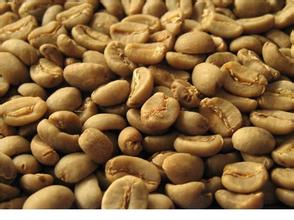
Kona coffee has been grown continuously in the Kona district since the early 19th century. The first coffee plants were introduced to Oahu in 1813, with seeds brought from Brazil by 1825. The variety now known as Kona was transplanted to the Kona region in 1828 by American missionary Samuel Ruggles, using cuttings from the original Brazilian arabica stock. Over the decades, Kona experienced booms and busts due to wars, market fluctuations, and disease—but it gained lasting prestige during World War I and II, when military demand drove up prices. By the 1970s and 80s, Kona had cemented its status as a world-class specialty origin.
How Does Kona’s Environment Shape Its Coffee?
Kona’s coffee benefits from a unique microclimate and volcanic ecosystem. Coffee grows on the slopes of ancient volcanoes, where elevations between 150–750 meters provide ideal temperature ranges and drainage. The region enjoys morning sunshine filtered through moist air, afternoon cloud cover that protects the cherries from harsh sun, and cool, foggy evenings with no frost. Volcanic soils are rich in minerals, and the combination of elevation, climate, and care results in unusually high yields of around 2,240 kg per hectare—far above the Latin American average of 600–900 kg.
Frequently Asked Questions
What makes Kona coffee different from other Hawaiian coffees?
Kona coffee is grown exclusively in the Kona district of Hawaii’s Big Island, on the volcanic slopes of Mauna Loa and Hualalai between 150–750 meters altitude. It is the only coffee that can be legally labeled as ‘Kona,’ and it has a distinct flavor profile, stricter grading system, and more limited production area compared to other Hawaiian islands like Kauai, Maui, or Molokai.
Is all coffee labeled Kona actually 100% Kona?
No. In the U.S., coffee can be labeled ‘Kona blend’ with as little as 10% actual Kona beans. Only coffee labeled ‘100% Kona coffee’ contains beans solely from the Kona region. Most commercially available ‘Kona’ coffee contains a small percentage of Kona beans mixed with other origins.
What does 100% Kona coffee taste like?
High-quality 100% Kona coffee is smooth and sweet with balanced acidity. It often features nutty, caramel, and mild fruity notes, with a medium body and a clean, lingering finish. The best grades (Extra Fancy, Fancy, Number One) are known for their clarity and complexity.
Why is Kona coffee so expensive?
Kona coffee is expensive due to its limited growing area (just 1,400 hectares), high labor costs, manual farming methods, and vulnerability to competition from Hawaii’s tourism industry. Genuine 100% Kona beans are rare outside Hawaii, and even blends with minimal Kona content command premium pricing.
How is Kona coffee grown and processed?
Kona coffee is grown on small family farms using mostly manual labor. The coffee cherries are typically processed using the wet method (washed), which contributes to the coffee’s clean and bright profile. The beans are sorted into three grades: Extra Fancy, Fancy, and Number One, based on size, defects, and cup quality.
Can I visit Kona coffee farms?
Yes. Kona is a major tourist destination, and many coffee farms offer tours where visitors can see the harvesting, processing, roasting, and brewing processes. Some farms even let visitors roast and brew their own coffee.
Recommended FrontStreet Beans for Pour-Over
For fans of Kona’s clean and sweet profile, try FrontStreet’s BrazilBourbon for its round body and nutty sweetness, or ColombiaSidra with its juicy tropical complexity from double anaerobic fermentation. Both are excellent single-origin pour-over beans with distinct yet approachable profiles. Freshly roasted within 5 days · Orders placed before 17:00 ship the same day · Next-day delivery across most of Guangdong Province.
FrontStreet Coffee is a long-established specialty coffee roaster in Guangzhou China, selling freshly roasted beans from its own farm in Yunnan as well as dozens of carefully selected single-origin beans from around the world for both pour-over and espresso. The products deliver consistently excellent quality and great value, with shipping within 24 hours. Guangzhou's FrontStreet Coffee shop is recommended by many coffee lovers, and the beans are now available online at the Tmall 。
Important Notice :
前街咖啡 FrontStreet Coffee has moved to new addredd:
FrontStreet Coffee Address: 315,Donghua East Road,GuangZhou
Tel:020 38364473