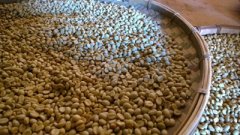
What Is Java Coffee? Indonesia’s Historic Specialty Bean
Ever ordered a ‘cup of Java’ and wondered what made that coffee so iconic? For centuries, Java has been shorthand for coffee—but few today know why. The name doesn’t just come from a programming language; it traces back to one of the world’s oldest and most influential coffee-growing regions: the island of Java in Indonesia. Whether you're a fan of balanced, low-acid brews or curious about historic coffee origins, Java delivers a taste rooted in global coffee trade history.
Java coffee is typically smooth, with low acidity and a clean, rounded body. Around 6%–10% of Indonesia’s coffee is now Arabica—most is lower-altitude Robusta—but the best Java comes from select high-elevation Arabica estates like Blawan, Jambit, Kayumas, and Pankur, offering refined floral and spice notes with a velvety mouthfeel.
The Origins of Java Coffee in Indonesia
Coffee arrived in Indonesia in the mid-17th century, introduced by Dutch colonists—some official sources suggest even earlier. By 1712, the first shipment of Java-grown coffee reached Amsterdam, marking one of the earliest global exports of Indonesian beans. Java quickly became central to the world’s understanding of coffee. Yet in 1877, disaster struck: coffee leaf rust wiped out nearly all the island’s Arabica plantations. The industry was rebuilt using Robusta (Coffea canephora) imported from Africa, which remains Indonesia’s dominant coffee species today.
Indonesia’s Coffee Regions and Production
While Java holds historical prominence, Indonesia’s coffee geography spans multiple islands. The country’s best-known growing regions include:
- Java: Home to classic estates such as Blawan, Jambit, Kayumas, and Pankur. Java coffee is known for refined aromatics, lower acidity, and smooth balance. “Java Mocha” historically refers to a blend of Java and Yemen Mocha coffee.
- Sumatra (including Mandheling and Ankola): Famous for heavier-bodied beans, often processed using the local wet-hulled (giling basah) method. Mandheling beans are noted for being among the world’s largest and most dense. Lintong Mandheling offers spice, dark chocolate, and caramel notes.
- Sulawesi (historically called Celebes): Produces bold, fragrant beans, especially from the southern districts of Kalossi and Rantepao. Sulawesi coffee tends to have a rich, structured profile.
- Flores: Less mentioned here but part of Indonesia’s broader specialty coffee map.
- New Guinea (including the Sigri plantation): Delivers well-balanced beans with a similar dense, rounded character common across the archipelago.
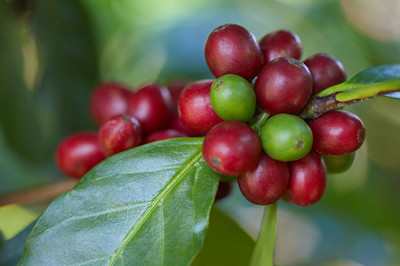
Indonesia produces around 6.8 million 60kg bags of coffee annually, with over 90% grown on smallholder farms. Though Robusta dominates, Arabica remains highly prized, especially from select estates on Java and Sumatra.
Flavor Profile and Processing Traditions
Java’s finest Arabica coffees are prized for their smooth mouthfeel, subtle acidity, and well-integrated sweetness—traits that make them easy-drinking yet layered. Unlike the earthy, herbal intensity of Sumatra’s Mandheling, Java tends toward a cleaner, more balanced cup with floral and spice undertones. The classic ‘Java Mocha’ blend combined Java’s clarity with Yemen Mocha’s wine-like fruitiness, creating a historical template for balanced espresso blends.
Historically, Java coffee gained a unique reputation partly due to an unusual post-harvest practice. When global consumers grew accustomed to the aged flavor of coffee shipped by sailboat, Indonesian producers began intentionally ‘storing’ or ‘aging’ beans for up to a year. This ‘monsooning’-like process—though not identical to India’s monsoon malabar—involved prolonged exposure to humidity. The resulting flavor was less vibrant, and though marketed under labels like ‘Old Government’, ‘Old Brown’, and ‘Old Java’, the practice never regained widespread acclaim. Today, most high-quality Java is processed and shipped much faster to preserve freshness.
How Java Coffee Is Graded and Exported
Indonesian coffee is graded on a six-tier system, with ‘AP’ (which stands for something unspecified in the source) considered the highest grade—but the exact meaning of the grading letters remains unclear. Most export-grade Java comes from smallholder plots, processed carefully to maintain clarity and body. The country’s two biggest export markets are Germany and Japan, both of which favor Java for its syrupy body, low acidity, and compatibility with milk—a testament to its versatility in classic brewing methods.
Why Indonesians Don’t Drink Their Own Coffee
Despite producing some of the world’s most distinctive and high-quality coffees, many Indonesians prefer Turkish-style coffee over their own locally grown Arabica and Robusta varieties. This cultural preference highlights a gap between production heritage and domestic consumption habits, even as international demand for Indonesian beans remains strong.
Frequently Asked Questions
What is Java coffee?
Java coffee refers to coffee grown on the island of Java in Indonesia. Historically, it was among the first Indonesian coffees exported globally, known for its smooth, low-acid profile and balanced flavor. Today, the term can also refer to beans grown in other parts of Indonesia, but true Java comes from specific Arabica estates on the island.
Where is Java coffee grown?
Java coffee is grown on the island of Java, primarily at higher elevations. Notable estates include Blawan, Jambit, Kayumas, and Pankur. While Java is historically significant, other Indonesian islands like Sumatra, Sulawesi, and Flores also produce renowned coffees.
What does Java coffee taste like?
High-quality Java coffee is smooth and low in acidity, with a clean, rounded body. Flavors often include subtle florals, light spices, and a velvety mouthfeel. It’s less earthy than Sumatran coffee and is known for being easy to drink, often suited for blending or enjoying black.
Why is Java associated with coffee?
The term ‘Java’ became synonymous with coffee because the island was one of the first major exporters of coffee to Europe in the 1700s. The name stuck as a general term for coffee, much like how ‘Kleenex’ is used for tissue.
Is Java coffee Arabica or Robusta?
Most coffee produced in Indonesia today is Robusta, but Java is one of the regions where Arabica is still cultivated at higher altitudes. The best Java coffee comes from Arabica grown on estates like Blawan and Pankur, though it makes up only 6%–10% of the country’s total output.
What is ‘Old Java’ coffee?
‘Old Java’ refers to a traditionally aged Indonesian coffee, stored for up to a year to mimic the flavor changes caused by long sea voyages. This process resulted in a less vibrant cup and is now rare, though some historic brands still market aged versions under similar names.
Recommended FrontStreet Coffee for Java Fans
For those exploring Java-style profiles, try FrontStreet’s Lintong Mandheling, known for its spice, dark chocolate, and caramel notes with a heavy body. Also consider PWN Golden Mandheling, famed for its uniform bright beans, delivering toast, pine, caramel, and cocoa with a lasting sweet finish. These Sumatran beans share Indonesia’s signature low acidity and deep profile, echoing Java’s historical balance. Freshly roasted within 5 days · Orders placed before 17:00 ship the same day · Next-day delivery across most of Guangdong Province.
FrontStreet Coffee is a long-established specialty coffee roaster in Guangzhou China, selling freshly roasted beans from its own farm in Yunnan as well as dozens of carefully selected single-origin beans from around the world for both pour-over and espresso. The products deliver consistently excellent quality and great value, with shipping within 24 hours. Guangzhou's FrontStreet Coffee shop is recommended by many coffee lovers, and the beans are now available online at the Tmall 。
Important Notice :
前街咖啡 FrontStreet Coffee has moved to new addredd:
FrontStreet Coffee Address: 315,Donghua East Road,GuangZhou
Tel:020 38364473