What Makes Kenyan Coffee Unique in Flavor?
Ever wonder why coffee professionals rave about Kenyan beans—calling them unlike any other cup? The answer isn’t just altitude or marketing. It’s a vivid mix of citrus, berries, winey depth, and an acidity so juicy it feels like fruit juice in a mug. Whether you’ve had it or not, you’ve likely heard the hype. So what exactly makes Kenyan coffee stand out in a sea of single origins?
Kenyans are beloved for their bright citrus acidity, layered fruit flavors, and medium body. Most display strong notes of grapefruit and blackcurrant, with wine-like tones and a clean, juicy mouthfeel. The best lots offer rare complexity you won’t find in other origins.
Why Kenyan Coffee Tastes So Different
Most Kenyan coffee grows between 1,500 and 2,100 meters above sea level. The high elevation slows ripening, allowing more complex sugars and acids to develop. Beans from this region are known for their dense structure and vibrant acidity. The country also harvests twice a year, ensuring fresh crop availability.
Kenyans are celebrated for their intense fruit character, especially citrus—most commonly grapefruit. But the experience is deeper: layers of berry, wine notes, and sometimes stone fruit appear, all wrapped in a balanced medium body. The acidity isn’t sharp; it’s juicy, almost like drinking fruit juice. That distinctiveness has made Kenyan coffees a favorite among coffee insiders.
The Grading System and What AA Means
Kenyan coffees are graded by bean size and quality, with AA being the highest grade. AA beans are large, round, and have excellent heat conductivity. They roast well and develop bold sweetness and body. French roasts can bring out rich, thick profiles, though many pros prefer lighter roasts to preserve the fruit and acidity.
The famous Kenya AA is known for its strong cup character: thick, sweet, aromatic, and well-balanced. Its larger bean size helps produce an excellent crema and bloom during roasting. These beans respond well to skilled roasting, with a wide range of flavor outcomes depending on degree and profile.
The Science Behind the Flavor: SL28, SL34, and Processing
Kenya’s signature taste comes from its legendary coffee varieties—especially SL28 and SL34. Developed by the Scott Labs (SL) in the 1930s, these varieties were selected for their ability to thrive at high altitudes and produce exceptional cup quality.
SL28 delivers strong blackcurrant, citrus, and deep stone fruit acidity, often with a wine-like richness. SL34 offers bright fruit acidity balanced with nutty and spicy notes. Together, they create the vibrant, complex profiles Kenya is known for.
This flavor is further enhanced by Kenya’s unique washed processing method. After pulping, the beans ferment for 48 hours to remove the mucilage, then soak in clean water for another 24 hours. This double-washed fermentation highlights the fruit juice character that defines the profile. The high-phosphorus volcanic soils add even more intensity.
Varietal Differences and Yearly Flavor Shifts
Even within Kenya, flavor varies dramatically by microregion and season. For example, the Samburu lot—a top AA+ grade—showed completely different profiles in consecutive years. In 2001, it had strong dark plum notes, low acidity, and a thick body with green tea-like aftertaste. By 2002, it shifted to tart berries and spice, with higher acidity and a lingering umami finish.
Most Kenyan coffees aren’t heavy-bodied but burst with bright fruitiness. Some lots carry spice or red wine aromas. That variability keeps coffee lovers coming back—each harvest feels like discovering a new coffee entirely.
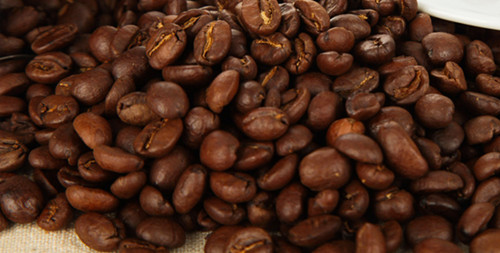
Many enthusiasts note that lightly roasted Kenyan beans can resemble fruit tea more than traditional coffee. Pairing these cups with citrus fruits like grapefruit enhances their refreshing qualities. These traits make Kenyan coffees especially appealing for cold brew and iced coffee in summer.
Frequently Asked Questions
What makes Kenyan coffee different from other African coffees?
Kenyan coffee is distinct for its high acidity, wine-like complexity, and pronounced fruit flavors—especially citrus and blackcurrant. It’s typically processed using a unique double-washed method that enhances juiciness, and it’s grown at high altitudes (1,500–2,100m), which slows ripening and builds more intense flavors compared to many other African origins.
What are the main coffee varieties grown in Kenya?
The most famous Kenyan coffee varieties are SL28 and SL34, both developed by Kenya’s Scott Laboratories in the 1930s. SL28 offers deep blackcurrant and citrus with winey richness, while SL34 provides bright fruit acidity alongside nut and spice notes. These varieties thrive at high altitudes and are central to Kenya’s signature cup profile.
What does “Kenya AA” mean?
Kenya AA is the highest grade of Kenyan coffee, graded by bean size and quality. AA beans are large, round, and have excellent heat conductivity, making them ideal for developing rich sweetness and body. They’re known for a bold, sweet, aromatic cup with balanced acidity and are often preferred lightly roasted to preserve their fruitiness.
How does Kenyan coffee processing affect flavor?
Kenya uses a washed process with a unique two-stage fermentation: 48 hours to remove mucilage, followed by 24 hours in clean water. This enhances the coffee’s fruit juice-like acidity and clarity. The method, combined with high-altitude growing and volcanic soils, results in a clean, vibrant, and complex cup.
Why do some Kenyan coffees taste like fruit tea?
Lighter roasted Kenyan coffees, especially those with bright acidity and low roast development, can resemble fruit tea due to their juicy, tea-like body and high citrus notes. This effect is common in bright, acidic lots and is often enhanced when served iced or paired with citrus fruits.
Does Kenyan coffee taste different every year?
Yes. Due to smallholder farming, varied microclimates, and changing weather, Kenyan coffees can show significant yearly flavor shifts. For example, the Samburu AA+ lot tasted of dark plum and green tea in 2001 but shifted to berry, spice, and umami in 2002. This variability adds to its appeal for coffee enthusiasts.
Recommended FrontStreet Beans for Kenya Lovers
FrontStreet’s Kenya Little Tomato combines SL28 and SL34 with a medium-light roast, showcasing notes of cherry, tomato, blackcurrant, plum, and brown sugar. It has a full body, layered acidity, and a caramel-like finish. Ideal for pour-over, cold brew, or iced coffee. Freshly roasted within 5 days · Orders placed before 17:00 ship the same day · Next-day delivery across most of Guangdong Province.
FrontStreet Coffee is a long-established specialty coffee roaster in Guangzhou China, selling freshly roasted beans from its own farm in Yunnan as well as dozens of carefully selected single-origin beans from around the world for both pour-over and espresso. The products deliver consistently excellent quality and great value, with shipping within 24 hours. Guangzhou's FrontStreet Coffee shop is recommended by many coffee lovers, and the beans are now available online at the Tmall 。
Important Notice :
前街咖啡 FrontStreet Coffee has moved to new addredd:
FrontStreet Coffee Address: 315,Donghua East Road,GuangZhou
Tel:020 38364473