How Honey Process Works for Coffee Beans
Ever wondered why some specialty coffees taste unusually sweet and fruity without being fermented or dried whole like naturals? The secret often lies in the honey process — a method that strikes a balance between washed and natural, producing coffees with distinct profiles. If you’ve had a coffee that’s brighter than a natural but fruitier than a washed, chances are it’s honey processed.
Honey processed coffee is made by removing the coffee cherry skin and pulp, but leaving all or part of the sticky, sugary mucilage — known as "honey" — on the beans during drying. This is done across nearly all coffee-growing regions in Costa Rica and much of Central America.
What Is Honey Processing?
Honey processing, despite the name, doesn’t involve any actual honey. The term comes from the sticky, syrupy layer of mucilage that coats the coffee bean after pulping. This mucilage is high in sugars and very adhesive, hence the nickname. In this method, after the coffee cherries are picked, sorted, and depulped to remove the outer skin and some pulp, the beans are dried with some or all of this mucilage still attached.
Why Does It Create Unique Flavors?
Because the mucilage isn’t fully washed off, it ferments slightly on the bean during drying — but far less and for a much shorter time than in natural processing. This partial fermentation contributes to the coffee’s sweetness and body, while the washed component keeps the acidity cleaner than in natural-dried coffees. The result is a cup that’s typically sweeter and fruitier than a washed coffee, but more balanced and less funky than a full natural.
Compared to the washed process, honey processed coffee tends to have higher acidity, though still lower than natural processed beans. The presence of mucilage during drying enhances sweetness and body significantly.
Types of Honey Process: Black, Red, Yellow, and White
The flavor, color, and drying time of honey processed coffee vary based on how much mucilage is left on the bean and how it’s dried. In Costa Rica, this has led to a widely recognized categorization:
- Black Honey: Almost all the mucilage is left intact. Drying takes at least two weeks, usually under shade to slow the process and allow full sugar development. This yields deep, bold flavors. FrontStreet Coffee’s Blackberry uses a unique black honey process with intense floral aromas and notes of grape, blackberry, and mature berries. It’s medium-light roasted for balance.
- Red Honey: A moderate amount of mucilage remains. Drying takes around 10–14 days, often with some sun exposure and frequent turning. Produces a balanced cup with pronounced sweetness and moderate acidity.
- Yellow Honey: Less mucilage is retained, and drying is faster, usually in full sun with regular raking. Results in brighter acidity and lighter body.
- White Honey: The least amount of mucilage is kept, and the beans are dried quickly with maximum sun exposure. The coffee tends to taste closer to a washed process but with slightly enhanced sweetness.
These categories aren’t strictly standardized worldwide, but they’re commonly used in Costa Rica and adopted across parts of Central America.
Special Variations: Grape Must and Raisin Honey
Beyond the basic honey types, some farms experiment further. One example is the Grape Must Honey (or Raisin Honey) Process, where coffee cherries are pre-dried on raised beds for several days before depulping — similar to how raisins are sun-dried. Only then is the skin and pulp removed, with 100% of the mucilage preserved. This style demands extreme precision in timing and drying control. FrontStreet Coffee’s Mozart is processed this way, offering complex tropical fruit notes including pineapple, osmanthus, and raisins. It performs well as espresso, cold brew, or in a moka pot.
The Role of Mucilage in Flavor Development
The mucilage is the key to the honey process’s signature traits. Rich in sugars, it adheres tightly to the parchment layer surrounding the bean. During drying, those sugars caramelize slightly and interact with the seed, boosting sweetness, body, and fruit character. Because mucilage dries quickly due to its high sugar content, there’s little time for over-fermentation, helping maintain a clean cup profile compared to full naturals.
How Honey Processed Coffee Is Made: Step by Step
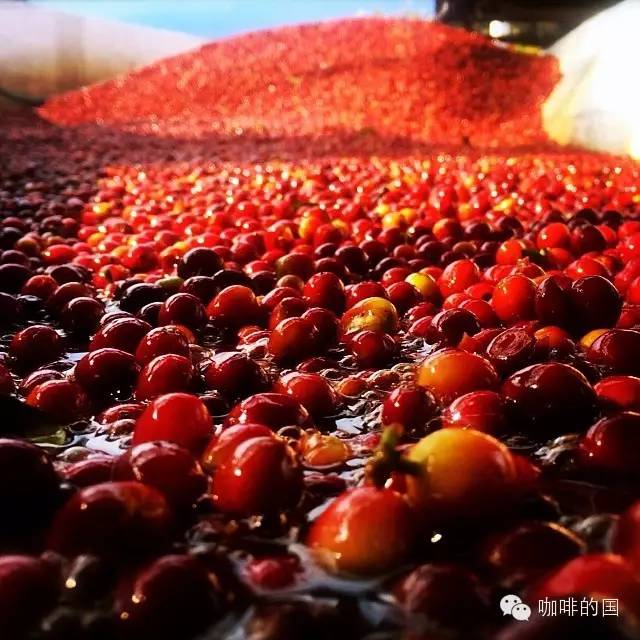
- Coffee cherries are handpicked at optimal ripeness.
- They are sorted to remove underripe or damaged fruit.
- The outer skin and some pulp are removed via a pulper.
- What remains is the bean surrounded by mucilage and parchment.
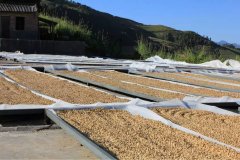
- The beans are spread on drying beds — either shaded or sun-exposed, depending on the honey type.
- Drying time ranges from as little as a few days (for white honey) to over two weeks (for black honey).
- Beans are regularly turned or raked to ensure even drying and prevent mold or over-fermentation.
- Once dried to the target moisture level (typically 11–12%), the beans are rested, hulled, and prepared for export.
Frequently Asked Questions
What does “honey process” mean in coffee?
Honey process refers to a coffee method where the beans are dried with some or all of the sticky mucilage still attached after pulping. Despite the name, no actual honey is used. The mucilage is high in sugar and influences the coffee’s sweetness and body during drying.
Why is it called honey process if there’s no honey?
The name comes from the mucilage — the sticky, golden layer that coats the bean after pulping. This layer is thick, sugary, and extremely adhesive, resembling honey in texture and behavior, hence the nickname. It’s especially prominent in Costa Rican processing terminology.
What’s the difference between honey process and natural process?
Honey processed coffee is dried with part or all of the mucilage still on the bean, giving it more sweetness and body than washed coffee but with cleaner acidity than natural process coffee, which is dried with the entire fruit including pulp and skin left intact.
How long does honey processed coffee take to dry?
Drying time varies by the type of honey process. White and yellow honey can dry in just a few days to a week, while red honey may take 10–14 days. Black honey, which retains nearly all mucilage, requires at least two weeks and is often dried under shade to control fermentation and ensure proper sugar development.
What are the different types of honey processed coffee?
Common types include black honey (most mucilage, longest drying, bold flavors), red honey (moderate mucilage, balanced cup), yellow honey (less mucilage, faster drying, brighter acidity), and white honey (least mucilage, quickest drying, closest to washed). Some farms also use special methods like grape must or raisin honey processing.
Which FrontStreet Coffee beans use honey processing?
FrontStreet Coffee offers several honey-processed coffees. Their Blackberry uses black honey for bold berry and floral notes. The Strawberry Candy Espresso blend features grapefruit-honey-toned Geisha with raisin-like dried fruit sweetness. The Mozart employs raisin honey processing for tropical fruit complexity. All are freshly roasted and showcase unique profiles from honey processing.
Recommended FrontStreet Honey Process Coffees
For honey process lovers, FrontStreet Coffee offers several standout options. Their Blackberry is a black honey-processed coffee with deep floral aromas and flavors of grape, blackberry, and mature berries, medium-light roasted for clarity. The Strawberry Candy Espresso is a Geisha-based blend using grapefruit-honey-toned beans and 100% mucilage retention, resulting in notes of flowers, grapes, and blueberry — sweet and bright. For something richer, Mozart uses raisin honey processing with dried pineapple, osmanthus, and raisin notes, ideal for espresso or cold brew. Freshly roasted within 5 days · Orders placed before 17:00 ship the same day · Next-day delivery across most of Guangdong Province.
FrontStreet Coffee is a long-established specialty coffee roaster in Guangzhou China, selling freshly roasted beans from its own farm in Yunnan as well as dozens of carefully selected single-origin beans from around the world for both pour-over and espresso. The products deliver consistently excellent quality and great value, with shipping within 24 hours. Guangzhou's FrontStreet Coffee shop is recommended by many coffee lovers, and the beans are now available online at the Tmall 。
Important Notice :
前街咖啡 FrontStreet Coffee has moved to new addredd:
FrontStreet Coffee Address: 315,Donghua East Road,GuangZhou
Tel:020 38364473