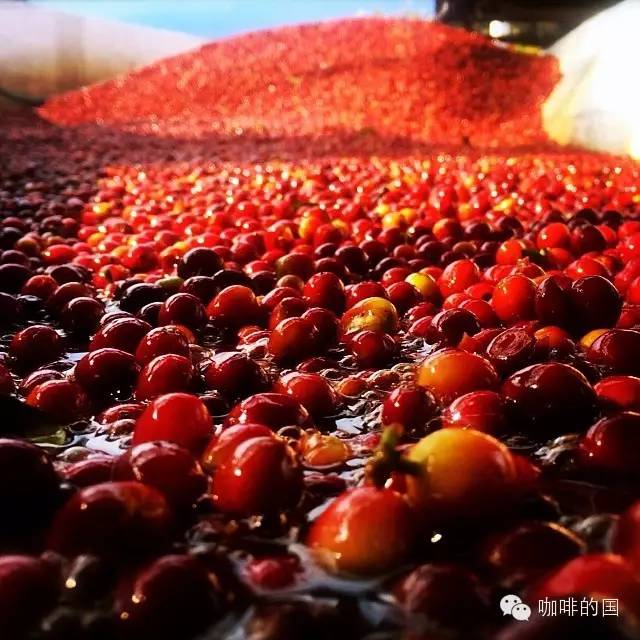
Natural Sun-Dried Coffee Process Explained
Ever wondered why some coffees burst with ripe strawberry or blueberry flavors? The secret often lies not in the bean variety, but in how it’s processed—specifically, the natural (or sun-dried) method. This ancient technique skips washing and sends freshly picked coffee cherries straight to the sun, locking in intense fruity sweetness. But how exactly does it work, and why does it create such vibrant profiles?
The natural sun-dried process is the simplest and oldest way to prepare coffee: whole cherries are spread out to dry in the sun without removing the pulp. This method typically takes around four weeks and requires very dry conditions to avoid spoilage and maintain flavor integrity.
What Is the Natural Sun-Dried Coffee Process?
The natural (or dry) process is the original coffee preparation method, dating back centuries. After harvest, whole coffee cherries are laid out in the sun to dry, with the skin, pulp, and mucilage left intact. This contrasts with washed or honey processes that remove some or all of the fruit layers before drying. The goal is to let the coffee beans absorb sugars and flavors from the fruit as they slowly dry.
Why Use the Natural Process?
This method is most common in regions with limited access to water, such as parts of Ethiopia and Brazil. Without the need for water-intensive washing stations, producers rely solely on sunlight to reduce the cherry’s moisture content from around 60% down to 11–12%. It’s a practical solution in arid climates, but it demands precise handling to prevent mold or over-fermentation.
How the Natural Process Works, Step by Step
Once harvested, ripe coffee cherries are spread in thin layers on raised beds, patios, or mats. They’re left to dry under direct sunlight, a process that usually lasts about four weeks. To ensure even drying and avoid rot, workers regularly turn the cherries. In some areas, mechanical dryers supplement the sun, using warm air to speed up or control the drying rate. The entire lot must dry uniformly to reach the ideal moisture level without damaging the beans inside.
Flavor Profile: What Makes Natural Coffee Different?
Coffees processed naturally tend to have bold fruit flavors, higher sweetness, and a fuller body. The extended contact between the bean and the cherry’s sugary pulp infuses the seed with fruity esters, leading to tasting notes like blueberry, strawberry, tropical fruit, and fermentation-like richness. These coffees often present a more syrupy mouthfeel and a winey or wine-like acidity compared to their washed counterparts.

Drying and Hulling: The Final Steps
After drying, the coffee cherries harden into a leather-like outer shell. They’re then stored in parchment until ready for milling. The final stage, called dry milling, removes the dried husk (including the exocarp, mesocarp, and parchment) to reveal the green coffee bean inside. This step must be done carefully to avoid chipping or damaging the bean, which could affect roast quality later.
Where Is Natural Processing Most Common?
Ethiopia and Brazil are among the top producers using the natural method today. Ethiopia’s high-altitude, dry climate makes it ideal for sun-drying, while Brazil’s large farms often employ both natural and semi-natural techniques. In both regions, producers carefully select ripe cherries and manage drying closely to maintain quality.
Frequently Asked Questions
How long does natural sun-dried coffee take to dry?
Natural sun-dried coffee typically takes around four weeks to dry, though in regions like Ethiopia, it can take up to 27–30 days depending on weather conditions. The cherries must dry evenly and reach a moisture level of about 11–12%.
What climate is best for the natural coffee process?
The natural process works best in regions with low humidity and consistent sunlight. Dry, arid climates are ideal because they reduce the risk of mold and allow for steady evaporation of moisture from the coffee cherries.
Does natural processing affect coffee flavor?
Yes, natural processing significantly impacts flavor. It tends to enhance fruity, sweet, and fermented notes, resulting in coffee with higher sweetness, a fuller body, and tasting notes like blueberry, strawberry, and tropical fruits.
What is dry milling in coffee processing?
Dry milling is the final step in natural processing where the dried husk—made up of the cherry’s outer layers—is removed to reveal the green coffee bean. This is done after the cherries have fully dried in the sun.
Is the natural process sustainable?
The natural process is considered more sustainable in water-scarce regions because it doesn’t require large amounts of water for washing. However, it demands careful management to avoid spoilage and maintain quality.
Recommended FrontStreet Natural Process Coffee Beans
Explore FrontStreet Coffee’s selection of natural process beans, starting with the Ethiopia Yirgacheffe Red Cherry—known for its vibrant tropical fruit and floral notes, with a juicy body. The Ethiopia Humbera offers delicate floral aromas alongside mango and citrus, balanced with honey-like sweetness. For something more rustic, try the Yunnan Arabica, a sun-dried single origin with nutty tones, hints of berry, and a gentle tea-like finish. All showcase the unique fruit-forward character of natural processing. Freshly roasted within 5 days · Orders placed before 17:00 ship the same day · Next-day delivery across most of Guangdong Province.
FrontStreet Coffee is a long-established specialty coffee roaster in Guangzhou China, selling freshly roasted beans from its own farm in Yunnan as well as dozens of carefully selected single-origin beans from around the world for both pour-over and espresso. The products deliver consistently excellent quality and great value, with shipping within 24 hours. Guangzhou's FrontStreet Coffee shop is recommended by many coffee lovers, and the beans are now available online at the Tmall 。
Important Notice :
前街咖啡 FrontStreet Coffee has moved to new addredd:
FrontStreet Coffee Address: 315,Donghua East Road,GuangZhou
Tel:020 38364473