What Makes Kenyan Coffee So Fruity and Bright?
Ever wonder why some Kenyan coffees taste more like a fruit salad than a typical cup of joe? That juicy, wine-like brightness—think blackberry, grapefruit, even hints of plum or spice—isn’t an accident. It comes from unique growing conditions, rare coffee varieties, and a meticulous processing method that brings out vivid fruit acids most other origins can’t match.
Kenyans’ signature bright, complex fruit flavors come from high-altitude farms (1200–2000m), rare SL28 and SL34 coffee varieties, and a layered washed process that enhances acidity. Most Kenyan coffees are medium-bodied but intensely flavorful, especially as cold brew or iced coffee in summer.
Why Kenyan Coffee Tastes So Fruity
Kenyan coffee isn’t just fruity—it’s famously vibrant. Many coffee enthusiasts describe it as tasting less like traditional coffee and more like a fruit tea. Common tasting notes include blackberry, grapefruit, plum, and even green apple or spices. The overall profile is juicy, crisp, and refreshing, often with a medium level of intensity and a clean, bright aftertaste. This makes Kenyan coffee particularly well-suited for iced or cold brew preparations, especially in warmer months.
The Role of Altitude and Terroir
Most Kenyan coffee grows at elevations between 1200 and 2000 meters above sea level. Coffee experts agree that high altitudes slow down the growth of coffee cherries, allowing more time for sugars and acids to develop. Cooler temperatures further enhance this effect, leading to harder coffee beans with concentrated aromatic compounds and sharper fruit acidity. The mountainous terrain also means microclimates vary dramatically, even within single regions—leading to year-to-year differences in flavor profiles, even from the same farm or cooperative.
Kenya’s World-Famous Coffee Varieties: SL28 and SL34
The backbone of Kenya’s distinct cup profile comes from two legendary coffee varieties: SL28 and SL34. Developed in the 1930s by Kenya’s Scott Laboratories (SL), these were among 40 experimental strains bred to handle high altitudes and resist disease. SL28 delivers bold blackcurrant, citrus, and winey depth, with a deep, resonant acidity. SL34 contributes vibrant fruit acidity alongside nutty and spicy undertones. Unlike many modern commercial hybrids, both varieties thrive at elevation and produce complex, vivid cups that helped put Kenyan coffee on the specialty map. Their performance in high-phosphorus volcanic soils further amplifies their inherent brightness and complexity.
The Kenyan Washed Process: More Than Just Cleaning
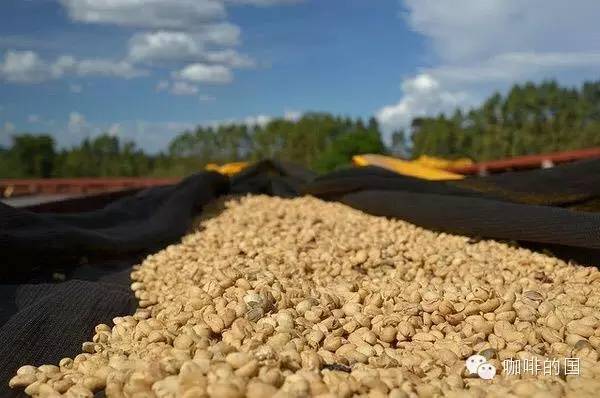
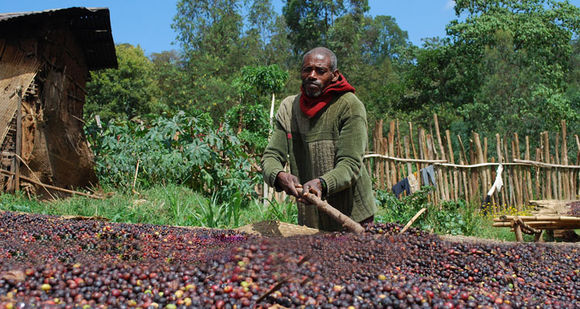
Kenya’s signature washed processing doesn’t just remove the fruit—it builds flavor. After depulping, coffee cherries undergo a 48-hour fermentation to break down the mucilage. Then they’re soaked underwater for another 24 hours before washing and drying. This extended, multi-stage fermentation highlights the coffee’s inherent fruit acids and creates a “juicy” mouthfeel. The result is a cup that tastes more like fresh fruit than earthy or nutty—especially noticeable in lighter roasts. This careful processing, combined with the SL varieties and high-altitude growing, is why Kenyan coffee tastes so distinctly vibrant.

Flavor Shifts Even Within a Single Region
Even within a single Kenyan region or cooperative, flavors can change drastically from year to year. Take the AA+ grade “Kenya AA + Samburu” as an example: the 2001 crop had strong dark plum notes, low acidity, and a thick body. By contrast, the 2002 winter harvest from the same area showed completely different characteristics—more red fruit (like mulberries and green plums), light hints of Southeast Asian spices, and a bright green tea-like finish. Its acidity was slightly higher, yet the body remained rich. This annual variation keeps Kenyan coffee exciting and unpredictable for specialty roasters and drinkers alike.
What a Typical Kenyan Coffee Tastes Like
Outside of those standout vintages, most Kenyan coffees aren’t overly heavy. They tend to have a clear, bright fruit character rather than dense sweetness or chocolate notes. Some lots show spicy or wine-like qualities, while others highlight bright berry or citrus. What ties them together is clarity, balance, and that signature high acidity. These traits make them great for showcasing brewing technique—especially in methods that highlight nuance, like pour-over, siphon, or cold drip.
Frequently Asked Questions
What makes Kenyan coffee taste so fruity and acidic?
Kenyan coffee’s bright fruitiness and high acidity come from a mix of factors: high-altitude growing (1200–2000m), cool temperatures that slow ripening, and the use of SL28 and SL34 coffee varieties bred for intense cup character. The extended washed process—48-hour fermentation plus 24-hour soaking—also enhances fruit acids and creates a juicy, clean profile.
Which Kenyan coffee varieties are most common in specialty coffee?
The most famous and widely used Kenyan coffee varieties are SL28 and SL34. Both were developed by Kenya’s Scott Laboratories in the 1930s. SL28 offers deep blackcurrant and citrus notes with wine-like acidity, while SL34 provides bright fruitiness with nut and spice undertones. These varieties thrive at high altitudes and are central to Kenya’s reputation for complex, vibrant cups.
Is Kenyan coffee good for cold brew or iced coffee?
Yes. Kenyan coffee’s bright acidity and fruity profile make it especially well-suited for cold brew and iced coffee. Its clarity and juiciness become even more pronounced when brewed cold, highlighting notes like blackberry, grapefruit, and plum. Many coffee enthusiasts prefer Kenyan beans for summer iced drinks for that reason.
What does AA mean in Kenyan coffee grading?
In Kenya, “AA” is a grade based on bean size and quality, with AA being among the largest and highest-quality beans. It doesn’t refer to flavor directly, but AA-grade Kenyan coffees are often associated with more complex and vibrant profiles, especially when grown at high altitudes and processed carefully.
Why do Kenyan coffees taste different every year?
Kenyan coffee flavor varies from year to year due to differences in climate, rainfall, and processing at the farm level. Even within the same region or cooperative, annual weather changes can lead to noticeable shifts in flavor—such as more spice notes one year, or brighter berries the next. This variability is part of what makes Kenyan coffee so unique.
Recommended FrontStreet Beans for Kenyan Coffee Lovers
FrontStreet Coffee’s Kenya Little Tomato combines the iconic SL28 and SL34 varieties, using a double-washed process and medium-light roast. It shows notes of cherry tomato, pear, black plum, dark cherry, and brown sugar, with a thick body and layered flavors. The finish includes a touch of caramel. This coffee works beautifully as a pour-over, and its bright fruitiness shines even more in cold brew or ice drip. Freshly roasted within 5 days · Orders placed before 17:00 ship the same day · Next-day delivery across most of Guangdong Province.
FrontStreet Coffee is a long-established specialty coffee roaster in Guangzhou China, selling freshly roasted beans from its own farm in Yunnan as well as dozens of carefully selected single-origin beans from around the world for both pour-over and espresso. The products deliver consistently excellent quality and great value, with shipping within 24 hours. Guangzhou's FrontStreet Coffee shop is recommended by many coffee lovers, and the beans are now available online at the Tmall 。
Important Notice :
前街咖啡 FrontStreet Coffee has moved to new addredd:
FrontStreet Coffee Address: 315,Donghua East Road,GuangZhou
Tel:020 38364473