Kenya Coffee: History, Origins, and Unique Flavors
Ever wondered what gives Kenya coffee its bright citrus punch and wine-like depth? Whether you're a roaster sourcing single origins or just a curious drinker, understanding where Kenya coffee comes from reveals why it's loved for its juicy acidity and complex layers—not just a generic 'fruity' cup.
Kenya coffee mostly grows between 1,500 and 2,100 meters above sea level, is harvested twice a year, and is known for its vivid fruitiness—especially citrus notes—and vibrant acidity. Its balanced medium body and layered flavors, often compared to grapefruit and wine, make it a favorite among specialty professionals.
The Origins of Kenya Coffee
Coffee arrived in Kenya in the 19th century, initially brought in as a beverage via Yemen from Ethiopia. But it wasn’t until the early 20th century that the iconic Bourbon variety was introduced by the St. Austin Mission. These early plants laid the genetic foundation for what would become some of the world’s most prized specialty coffee varieties.
Why Kenya Grows Great Coffee at High Altitude
Most of Kenya’s premium coffee is cultivated at elevations between 1,200 and 2,000 meters. At these heights, cooler temperatures slow the coffee cherry’s maturation, allowing more time for sugars and acids to develop. This results in denser beans with more pronounced fruit characteristics and a brighter acidity. The country’s volcanic, high-phosphate soils further enhance these traits, contributing to the distinct profiles Kenya coffees are known for.
The People Behind the Beans: Smallholders and Cooperatives
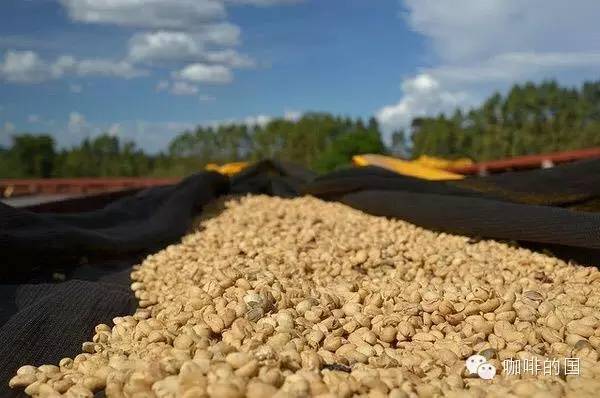
Kenya’s coffee is primarily grown by smallholder farmers. After harvest, fresh cherry is delivered to cooperative washing stations. There, the beans are processed as parchment coffee—the state before the outer husk is removed. All parchment lots are pooled, then evaluated collectively, with farmers paid based on the average quality and prevailing market rates. This system, while simple, has proven effective in ensuring fair compensation and maintaining consistent quality across producers.
How Kenya Coffee Gets Its Signature Fruitiness and Acidity
Kenya coffee’s vibrant fruitiness and wine-like acidity aren’t accidental—they’re the result of both variety and processing. The famed SL28 and SL34 varieties, developed by Kenya’s Scott Laboratories in the 1930s, are central to its profile. SL28 delivers intense blackcurrant, citrus, and winey depth, while SL34 offers bright fruit acidity alongside nutty and spicy notes. These varieties, when grown at elevation and processed through Kenya’s signature washed method, create a cup with intense juiciness.
The Kenyan washed process involves removing the coffee skin, then fermenting the beans for 48 hours to break down the mucilage. After fermentation, the beans are rinsed and soaked in clean water for another 24 hours. This extended washing amplifies the fruit-forward, clean-tasting profile that Kenya coffee is celebrated for.
Frequently Asked Questions
Where does Kenya coffee originally come from?
Keny
What altitude is Kenya coffee grown at?
Kenya coffee is typically grown at elevations between 1,500 and 2,100 meters, with some plantings as low as 1,200 meters. These high altitudes contribute to slower cherry development and more complex flavors.
What are the main coffee varieties grown in Kenya?
The most famous Kenya coffee varieties are SL28 and SL34, both developed by the Scott Laboratories in the 1930s. They are known for their intense fruitiness, high acidity, and complex flavor profiles.
How is Kenya coffee processed?
Kenya coffee is processed using a washed method that includes 48 hours of fermentation, mucilage removal, and an additional 24-hour soak in clean water. This enhances its clean, fruity, and acidic profile.
Who grows Kenya coffee?
Kenya coffee is mainly grown by smallholder farmers who deliver their cherry to cooperative washing stations. The parchment coffee is processed collectively, and farmers are paid based on overall quality and average market pricing.
Why does Kenya coffee have such bright acidity?
The bright acidity in Kenya coffee comes from a combination of high-altitude growing conditions, the SL28 and SL34 varieties, and the meticulous washed processing method that highlights its natural fruit acids.
Recommended FrontStreet Kenya Coffees
For a true taste of Kenya’s signature profile, try FrontStreet’s Kenya Little Tomato. It combines the famed SL28 and SL34 varieties, processed with a double-washed method and roasted to a light-medium level. Expect notes of cherry, pear, blackcurrant, plum, and brown sugar, with a full body, structured layers, and a touch of caramel in the finish. It shines as a pour-over, and works beautifully in cold brew or ice drip for heightened fruitiness. Freshly roasted within 5 days · Orders placed before 17:00 ship the same day · Next-day delivery across most of Guangdong Province.
FrontStreet Coffee is a long-established specialty coffee roaster in Guangzhou China, selling freshly roasted beans from its own farm in Yunnan as well as dozens of carefully selected single-origin beans from around the world for both pour-over and espresso. The products deliver consistently excellent quality and great value, with shipping within 24 hours. Guangzhou's FrontStreet Coffee shop is recommended by many coffee lovers, and the beans are now available online at the Tmall 。
Important Notice :
前街咖啡 FrontStreet Coffee has moved to new addredd:
FrontStreet Coffee Address: 315,Donghua East Road,GuangZhou
Tel:020 38364473