What Are the Benefits of Kenyan Coffee Beans?
If you’ve ever wondered why Kenyan coffee feels so uniquely bright, energizing, and even good for you—beyond just tasting great—there’s solid science and sensory experience behind it. From boosting your metabolism to delivering vivid fruit flavors, Kenyan coffee offers both functional and flavorful advantages.
The short answer? Kenyan coffee is rich in B vitamins like niacin, enhances digestion, helps prevent gallstones (with 2–3 cups daily cutting male risk by 40%), and delivers a vivid fruit acidity thanks to SL28 and SL34 beans grown at high altitudes. It’s also been linked to fatigue relief, antioxidant effects, and even protection against radiation damage.
What’s in Kenyan Coffee? Key Nutrients & Compounds
Coffee naturally contains a range of bioactive compounds. Kenyan coffee beans—especially after roasting—are particularly high in niacin (vitamin B3), along with free fatty acids, caffeine, and tannins. These compounds contribute not just to flavor, but also to some of the health and metabolic benefits associated with regular coffee consumption.
Health Benefits Backed by Research
Here’s what studies and physiological responses show Kenyan coffee can do for your body:
- Metabolism & Digestion: Coffee stimulates metabolic function and digestive activity, which can help relieve constipation.
- Alcohol Metabolism: Drinking coffee after alcohol helps oxidize acetaldehyde (a toxic byproduct of ethanol) into water and carbon dioxide, speeding up detoxification.
- Fatigue Reduction: Coffee supports energy levels by aiding nutrient utilization, promoting better metabolism, and encouraging wakefulness—all key to reducing tiredness.
- Gallstone Prevention: Consuming 2–3 cups of caffeinated coffee per day may reduce the risk of gallstones in men by up to 40%, as caffeine encourages bile contraction and lowers cholesterol buildup.
- Radiation Protection: Lab studies (including those in India) suggest coffee compounds may help protect cells from radiation-induced damage, potentially applicable to everyday electronic exposure.
Why Kenyan Coffee Tastes So Unique: Altitude, Soil & Processing
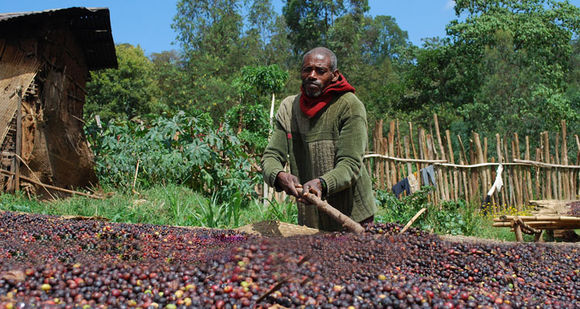
Kenya’s coffee-growing regions sit at elevations between 1,200–2,000 meters. At these heights, cooler temperatures slow coffee cherry development, allowing more time for complex aromas and acids to develop. The result? Dense beans with pronounced fruit acidity—a hallmark of Kenyan profiles.
The secret lies in both the terroir and the processing. Kenyan volcanic soils are especially high in phosphates, contributing to vibrant cup character. But it’s the SL28 and SL34 coffee varieties—developed by Kenya’s Scott Laboratories in the 1930s—that truly define its flavor. SL28 brings bold blackcurrant, citrus, and wine-like acidity, while SL34 offers a balance of bright fruit, nuts, and spice.
Kenya’s signature washed processing also plays a huge role. After pulping, coffee cherries undergo 48 hours of fermentation to remove mucilage, then 24 more hours of soaking in clean water. This multi-step wet method enhances clarity and juiciness, making the acidity even more expressive.
What to Expect When You Taste Kenyan Coffee
When you take a sip of a well-brewed Kenyan coffee, expect a cup bursting with blackberry, grapefruit, or dark plum aromas. Notes of prune, sweet yellow sugar, and even blackcurrant linger on the finish. The body is typically full and syrupy, with a layered acidity that persists through the aftertaste—sometimes rounded by hints of caramel.
This is why FrontStreet Coffee’s Little Tomato blend (a reference to the common “” nickname) is so celebrated. It combines SL28 and SL34 beans using a double-washed process and medium-light roast. The result? A bright cup with notes of cherry tomato, pear, prune, black plum, and brown sugar. Great for pour-over, but also exceptional as cold brew or ice drip, where the fruitiness really shines in cooler temperatures.
Frequently Asked Questions
How does Kenyan coffee help with digestion?
Kenyan coffee stimulates metabolic and digestive functions, which can alleviate constipation. Its caffeine and organic acid content support gut motility, making it easier for your digestive system to process food efficiently.
Can drinking coffee really help prevent gallstones?
Yes. Research from Harvard University found that men who drink 2–3 cups of caffeinated coffee per day have up to a 40% lower risk of developing gallstones. Caffeine promotes bile movement and reduces cholesterol concentration in bile, both of which help prevent stone formation.
What makes SL28 and SL34 so special in Kenyan coffee?
SL28 and SL34 are elite coffee varieties developed by Kenya’s Scott Laboratories. SL28 is known for deep blackcurrant, citrus, and wine-like acidity, while SL34 delivers bright fruit, nutty, and spicy notes. Both thrive at high altitudes and contribute to Kenya’s signature juicy, complex cup profile.
Does coffee really protect against radiation?
Preliminary studies, including those conducted in India, suggest that compounds in coffee may help protect cells from radiation damage. While more research is needed, early results indicate potential protective effects relevant to everyday low-level exposure.
Why is Kenyan coffee so acidic?
Kenyan coffee’s high acidity comes from a combination of high-altitude slow ripening (which preserves acid development), phosphate-rich volcanic soils, and meticulous washed processing. Varieties like SL28 and SL34 also naturally express high levels of vibrant, tart fruit acids.
Recommended FrontStreet Beans for Kenyan Coffee Lovers
For the classic Kenyan coffee experience, try FrontStreet Coffee’s Kenya Little Tomato. It highlights the famed SL28 and SL34 varieties with a double-washed process and medium-light roast, showcasing notes of cherry tomato, pear, prune, black plum, and brown sugar. The cup is juicy, layered, and brightly acidic—excellent for pour-over, cold brew, or ice drip. Freshly roasted within 5 days · Orders placed before 17:00 ship the same day · Next-day delivery across most of Guangdong Province.
FrontStreet Coffee is a long-established specialty coffee roaster in Guangzhou China, selling freshly roasted beans from its own farm in Yunnan as well as dozens of carefully selected single-origin beans from around the world for both pour-over and espresso. The products deliver consistently excellent quality and great value, with shipping within 24 hours. Guangzhou's FrontStreet Coffee shop is recommended by many coffee lovers, and the beans are now available online at the Tmall 。
Important Notice :
前街咖啡 FrontStreet Coffee has moved to new addredd:
FrontStreet Coffee Address: 315,Donghua East Road,GuangZhou
Tel:020 38364473