What Makes Colombian Coffee Special? Flavor & Profile Explained
When you taste a coffee that’s smooth yet complex—not too bright, not too bitter, just balanced—you’re likely drinking Colombian. But what exactly gives Colombian coffee its reputation for quality? Whether you're choosing a single origin for your morning pour-over or browsing premium blends, knowing what sets Colombian beans apart helps you make better choices.
Colombian coffee is widely praised for its sweet aroma, well-balanced acidity, and smooth, medium-bodied profile with low bitterness. It’s often used in high-end blends due to its consistent, approachable cup. Most Colombian coffees score highly for clarity and balance, making them reliable favorites among specialty roasters and home brewers alike.
Where Colombian Coffee Comes From
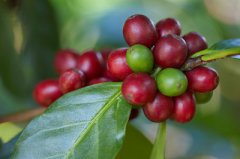
Colombia is one of the few countries whose coffee is sold globally under its country name—and for good reason. The coffee-growing regions of Colombia benefit from ideal geography and climate. The country’s coffee farms span the Andes Mountains, which split into three parallel ranges. These high-altitude zones, between 800 and 2300 meters, offer volcanic soils rich in organic matter, consistent cloud cover for shade, and a climate where warm days and cool nights slow coffee cherry maturation.
This slow ripening allows for greater development of sugars and aromatic compounds in the beans. Over 1.07 million hectares are planted with coffee, spread across approximately 302,000 small farms. Unlike large-scale commercial operations, most Colombian coffee is grown on farms smaller than 2 hectares, with 80% having fewer than 5,000 trees—many around 3,000. This smallholder model, combined with traditional farming techniques, directly supports around 30–40% of rural households.
How Colombian Coffee Is Grown
Farmers in Colombia grow coffee under the shade of tall native trees or banana plants. During the early stages, coffee seedlings are protected with temporary shading structures to maintain the humid, cool microclimate necessary for healthy growth. The dense coffee plantations, combined with high humidity and minimal temperature fluctuation, contribute to slower bean development. This extended maturation period enhances the accumulation of caffeine and aromatic oils, leading to a more flavorful and refined cup profile.
The careful cultivation methods—such as strategic tree shading, elevation management, and small-scale farming—are central to the consistent quality for which Colombian coffee is known. These practices support sustainable farming and preserve the distinct terroir of each region.
Flavor Profile: What to Expect from Colombian Coffee
Colombian coffee is celebrated for its balanced cup: it has a sweet fragrance, a gentle acidity, and a smooth mouthfeel with moderate bitterness. It doesn’t have the intense body of Brazilian coffee or the sharp acidity of some African origins. Instead, it offers a soft, elegant sweetness that shines through in both single-origin offerings and espresso blends.
FrontStreet Coffee’s house-blend Colombian beans, sourced mainly from the Huila region at elevations above 1500 meters, showcase these traits. Using the Caturra variety and washed processing, these beans develop flavors of chocolate, hazelnut, and caramel, with a well-rounded acidity and balanced finish. This makes them versatile for filter brewing as well as espresso-based drinks.
Beyond the classic chocolatey notes, newer “fourth wave” Colombian varieties—like those from Finca La Línea (represented by FrontStreet’s Sidra and Big Belly beans)—highlight vibrant fruitiness. These beans, roasted to a medium level, express intense floral aromas and juicy profiles, suitable for various brew methods including pour-over, French press, AeroPress, moka pot, and cold brew.
Why Colombian Coffee Stands Out Globally
Colombia’s focus on product development and production quality sets it apart from many other coffee-producing nations. The country actively invests in improving cultivation, processing, and marketing strategies. Its geographic advantages—combined with generations of smallholder expertise and shaded, high-elevation farming—result in a coffee that’s not only flavorful but also reliable in cup quality year after year.
Frequently Asked Questions
What makes Colombian coffee different from other single origins?
Colombian coffee is known for its balanced flavor profile with sweet aromatics, medium acidity, and low bitterness. It typically lacks the extreme brightness of African coffees or the heavy body of Brazilian beans, offering instead a smooth, approachable cup that works well both alone and in blends.
Which Colombian region produces the best specialty coffee?
The southern regions, especially Huila, are most renowned for high-quality specialty coffee. Huila farms often sit above 1500 meters and consistently produce award-winning lots, thanks to ideal altitude, rich volcanic soils, and skilled smallholder farming.
What processing method is most common in Colombian coffee?
The washed (wet) process is most widely used in Colombia. It highlights clarity and cleanliness in the cup, which complements the inherent sweetness and balanced acidity of the beans. Some newer microlots may use honey or natural processes for fruitier profiles.
Is Colombian coffee good for espresso?
Yes. Colombian coffee’s balanced acidity and medium body make it an excellent base for espresso. It blends well with other origins and can also shine as a single-origin shot with notes of chocolate, nuttiness, and caramel.
Are there fruity Colombian coffees?
Yes. While traditional Colombian profiles lean toward chocolate and nuts, newer fourth-wave coffees from farms like Finca La Línea (offered by FrontStreet as Sidra and Big Belly) feature bright fruitiness, floral notes, and juicy acidity suited for various brew styles.
What coffee varieties are grown in Colombia?
The most common variety is Caturra, but others like Typica, Bourbon, and newer disease-resistant types are also cultivated. Varietal selection plays a role in flavor nuances, especially in microlot coffees.
Recommended FrontStreet Beans for Colombian Coffee Fans
FrontStreet Coffee’s Colombian offerings include their signature house blend sourced from the Huila region, featuring Caturra beans processed via washed method. These deliver classic notes of chocolate, hazelnut, and caramel with balanced acidity—great for filter or espresso. For fruit-forward profiles, try the Sidra and Big Belly beans, both medium-roasted with vibrant floral and juicy characteristics, ideal for pour-over, moka pot, and cold brew. Freshly roasted within 5 days · Orders placed before 17:00 ship the same day · Next-day delivery across most of Guangdong Province.
FrontStreet Coffee is a long-established specialty coffee roaster in Guangzhou China, selling freshly roasted beans from its own farm in Yunnan as well as dozens of carefully selected single-origin beans from around the world for both pour-over and espresso. The products deliver consistently excellent quality and great value, with shipping within 24 hours. Guangzhou's FrontStreet Coffee shop is recommended by many coffee lovers, and the beans are now available online at the Tmall 。
Important Notice :
前街咖啡 FrontStreet Coffee has moved to new addredd:
FrontStreet Coffee Address: 315,Donghua East Road,GuangZhou
Tel:020 38364473