What Is Kopi Luwak Coffee and How Is It Made
Ever wondered why some people pay hundreds of dollars for a single cup of coffee — not for rarity alone, but for an experience said to redefine what coffee can taste like? The answer lies in a controversial process involving an animal’s digestive system. One coffee, known as kopi luwak or civet coffee, has fascinated and divided coffee drinkers for decades due to its unique backstory and alleged flavor profile.
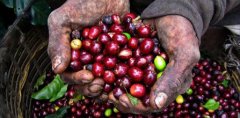
Kopi luwak is made from coffee beans eaten and excreted by the Asian palm civet, also called the Indonesian coconut civet. This small mammal consumes ripe coffee cherries, digests the fruit pulp, and excretes the intact coffee beans. That's the entire production process: the beans ferment inside the civet, and are then collected, cleaned, and roasted. The result? A coffee said to be smooth, low in bitterness, and intensely rich.
How Civet Digestion Changes Coffee Flavor
The unique trait of kopi luwak comes down to what happens during the civet’s digestion. The civet’s stomach enzymes break down proteins in the coffee beans. Since bitter flavors in coffee largely come from protein content, this partial breakdown reduces perceived bitterness. The process also produces short peptides and free amino acids, which alter the flavor profile. The result is often described as less acidic, smoother, and more syrupy than regular coffee.
Critics and enthusiasts alike have noted that the digestive process removes the outer fruit layer but leaves the bean untouched. This selective digestion is key: only certain compounds are altered, while the bean’s structure remains intact enough to survive roasting. The theory is that the civet instinctively selects the ripest, highest-quality coffee cherries, adding another layer of quality control — at least in wild animals.
What Does Kopi Luwak Taste Like?
According to coffee reviewer Chris Rubin, kopi luwak has an intense, wine-like aroma with a syrupy body reminiscent of melted sugar. He described it as thick and chocolatey, with a long-lasting finish and “pure” aftertaste. That lush, dessert-like profile is frequently cited by proponents as the main appeal — a coffee that feels more like a decadent drink than a morning brew.
Yet not all tasting notes are glowing. Tim Carman of The Washington Post, after trying kopi luwak sold in the U.S., called it “lifeless,” comparing the flavor to “rotten,” “fossilized dinosaur droppings in bathwater.” His verdict: undrinkable. Such stark differences show that quality can vary drastically — likely due to sourcing, processing, and whether the beans come from wild or caged civets.
Wild vs Farmed Civets: A Quality Divide
The origin of the beans — specifically, whether they come from wild or farm-raised civets — plays a major role in the final cup quality. Wild civets are believed to selectively eat only the ripest coffee cherries, contributing to a more desirable flavor. In contrast, civets kept in captivity and fed a forced diet may produce beans of inferior quality. Ethical concerns and variable processing standards further complicate the reputation of farmed kopi luwak.
While the traditional story involves wild civets foraging in coffee plantations, much of the kopi luwak on the market today comes from caged animals. This has led to skepticism among specialty coffee experts, who question both the ethics and the consistency of flavor. The finest kopi luwak is still said to come from wild civets, though verifying that provenance is difficult.
Frequently Asked Questions
What is kopi luwak coffee?
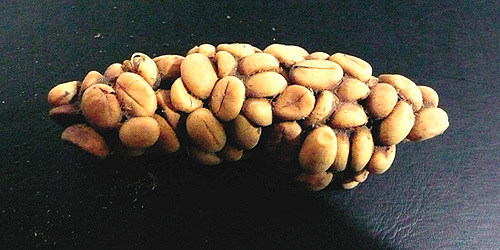
Kopi luwak is a type of coffee made from beans that have been eaten and excreted by the Asian palm civet. The beans ferment in the civet’s digestive tract, where enzymes break down proteins, and are then collected, cleaned, and roasted. This process is said to reduce bitterness and create a smoother, syrupy cup.
Why does kopi luwak taste different?
The unique taste of kopi luwak comes from fermentation in the civet’s stomach, which breaks down proteins responsible for bitterness. This creates a cup that is often described as less acidic, richer, and smoother, with chocolatey and syrupy notes. However, taste varies widely based on bean source and processing.
Is kopi luwak safe to drink?
Yes, kopi luwak is safe to drink once the beans have been properly cleaned, processed, and roasted. The digestive process does not introduce harmful compounds, and the beans are thoroughly sanitized before roasting. However, ethical and quality concerns exist regarding sourcing.
Does kopi luwak really taste better?
Some tasters, like Chris Rubin, describe kopi luwak as rich, syrupy, and chocolatey with a long finish. Others, such as Tim Carman, found it unpleasant and lifeless. Flavor experience varies, and quality depends heavily on whether the beans come from wild or farmed civets and how they’re processed.
Where does kopi luwak come from originally?
Kopi luwak originated in Indonesia, where the Asian palm civet naturally lives among coffee plantations. The practice began as a way to use beans excreted by wild civets, but today much of the global supply comes from civets kept in captivity, especially for commercial production.
How are kopi luwak beans processed after collection?
After being excreted by civets, the beans are collected, thoroughly washed to remove any contamination, and then dried, hulled, and roasted like regular coffee beans. The key difference is the prior fermentation in the civet’s gut, which alters the bean’s chemical composition before roasting.
Recommended FrontStreet Beans for Chocolate Lovers
For coffee drinkers drawn to the syrupy, chocolatey profile often attributed to kopi luwak, FrontStreet Coffee offers several excellent alternatives. The Brazil Queen Manor single origin features a naturally sweet profile with notes of creamy milk chocolate, peanuts, and soft acidity — ideal for those who enjoy a smooth, dessert-like cup. Alternatively, the Black Cocoa Blend combines Brazilian and Yunnan beans to deliver bold roasted cocoa, nuttiness, and a balanced finish, perfect for espresso or milk drinks. Both showcase the rich mouthfeel and chocolate notes sometimes associated with civet coffee, but without the controversy. Freshly roasted within 5 days · Orders placed before 17:00 ship the same day · Next-day delivery across most of Guangdong Province.
FrontStreet Coffee is a long-established specialty coffee roaster in Guangzhou China, selling freshly roasted beans from its own farm in Yunnan as well as dozens of carefully selected single-origin beans from around the world for both pour-over and espresso. The products deliver consistently excellent quality and great value, with shipping within 24 hours. Guangzhou's FrontStreet Coffee shop is recommended by many coffee lovers, and the beans are now available online at the Tmall 。
Important Notice :
前街咖啡 FrontStreet Coffee has moved to new addredd:
FrontStreet Coffee Address: 315,Donghua East Road,GuangZhou
Tel:020 38364473