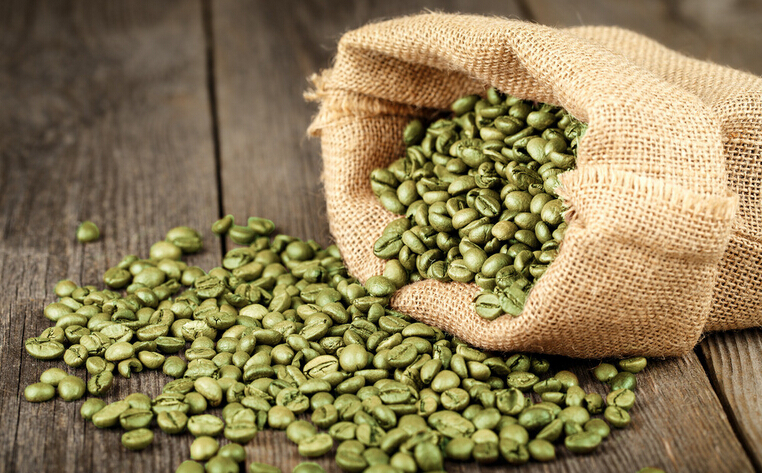
What Nutrients Are in Arabica Coffee Beans?
If you’re drinking instant coffee every morning without giving a second thought to the real stuff — whole roasted coffee beans — you might be missing out on a wealth of natural nutrients. Most people assume all coffee is the same. But the difference between brewing fresh-ground Arabica beans and pouring powdered instant is more than just taste — it’s also about what’s really in your cup.
In short: Arabica coffee beans contain caffeine, healthy fats, proteins, natural sugars, and essential minerals. These components contribute to everything from mental alertness to flavor complexity. Instant coffee? It retains only a fraction of these nutrients.
What Exactly Is in an Arabica Coffee Bean?
Arabica beans are the seeds of the Coffea arabica plant, the species used to produce the majority of high-quality specialty coffee worldwide. While many people consume coffee as a brewed beverage, few realize just how much natural nutrition is packed into the raw bean — especially compared to processed or instant versions.
1. Caffeine: The Energy-Boosting Compound
Caffeine is the most well-known and widely studied compound in coffee. Found abundantly in Arabica beans, it stimulates the central nervous system, increasing alertness, focus, and metabolic rate. That’s why a strong cup of brewed Arabica can help power through late-night study sessions or long road trips. The exact amount varies by bean origin and roast level, but the stimulating effects are immediate and well-documented.
2. Fats: The Aroma Carriers
Yes, coffee beans contain fat — and it plays a critical role in flavor. Arabica beans are rich in multiple types of lipids, mainly categorized into acidic fats and volatile fats. Acidic fats vary by coffee variety and influence flavor profiles, while volatile fats are the primary contributors to coffee’s signature aroma. These oils are extracted during proper brewing methods like pour-over or French press, enhancing both mouthfeel and fragrance.
3. Proteins: Caloric but Not Fully Extracted
Proteins in coffee beans are a source of calories, but most remain trapped inside the grounds during typical brewing. That’s why black coffee is so low in calories — the proteins and amino acids mostly don’t make it into your cup unless you’re using extreme extraction methods. This characteristic is also why coffee is often favored by those managing calorie intake or following weight-loss diets.
4. Natural Sugars: The Hidden Sweetness
Even when you take your coffee black, you might detect a subtle sweetness. That’s the natural sugar content of the coffee bean itself. These sugars balance out the inherent bitterness of caffeine and the acidity from chlorogenic acids, contributing to the complex flavor matrix of a well-brewed cup. They’re more noticeable in lighter roasts where less Maillard reaction has occurred.
5. Minerals: Trace Elements with Minor Impact
Arabica beans contain small amounts of minerals such as calcium, iron, sulfur, phosphorus, chlorine, silicon, and sodium carbonate. While present only in trace quantities, these elements may add a slight drying or astringent sensation to the cup. Overall, their contribution to flavor is minimal but part of the bean’s broader chemical makeup.
Why Fresh Arabica Beats Instant Every Time

Instant coffee is made from brewed coffee that has been spray-dried or freeze-dried, resulting in significant nutrient loss. While it still delivers caffeine, almost all the natural fats, proteins, and volatile aromatic compounds are destroyed in processing. That means you get the stimulant without the full sensory or nutritional complexity of freshly ground Arabica beans.
Frequently Asked Questions
What is the main nutrient in Arabica coffee beans?
The most discussed and prominent compound in Arabica coffee is caffeine, known for boosting energy and mental focus. But beans also naturally contain fats, proteins, sugars, and minerals, all contributing to coffee’s flavor and nutritional profile.
Does Arabica coffee contain healthy fats?
Yes, Arabica beans include various lipids, particularly volatile and acidic fats. Volatile fats are key to coffee aroma, while acidic fats influence flavor. These fats are partially extracted during brewing and enhance both taste and mouthfeel.
Are there proteins in coffee beans?
Coffee beans do contain proteins, which are a minor caloric component. However, most proteins remain in the grounds during typical brewing, meaning brewed coffee is very low in calories from protein.
Do Arabica beans have natural sugars?
Yes. Even unsweetened coffee has a slight natural sweetness due to intrinsic sugars in the bean. These balance bitterness and acidity, especially noticeable in lighter roasts with minimal Maillard reaction development.
What minerals are found in Arabica beans?
Trace minerals in Arabica include calcium, iron, sulfur, phosphorus, chlorine, silicon, and sodium carbonate. Though present in tiny amounts, they may add slight bitterness or complexity to the flavor and contribute minimally to nutrition.
Why is instant coffee less nutritious than brewed Arabica?
Instant coffee is produced by drying already-brewed coffee, which destroys most of the natural fats, proteins, and aromatic compounds. It retains caffeine but little else, making it far less nutritionally rich than freshly brewed Arabica coffee.
Recommended FrontStreet Arabica Beans for Nutrition & Flavor
For a true taste of Arabica’s natural nutrition and flavor complexity, try FrontStreet’s Ethiopia Yirgacheffe Gedeb Cooperative — bright with citrus and floral notes. Or explore Jamaica Blue Mountain No.1 Typica, known for its smooth chocolate and almond profile. For something more exotic, the Strawberry Candy Geisha blend offers floral and stone fruit layers. All showcase the full spectrum of what high-quality Arabica beans can deliver. Freshly roasted within 5 days · Orders placed before 17:00 ship the same day · Next-day delivery across most of Guangdong Province.
FrontStreet Coffee is a long-established specialty coffee roaster in Guangzhou China, selling freshly roasted beans from its own farm in Yunnan as well as dozens of carefully selected single-origin beans from around the world for both pour-over and espresso. The products deliver consistently excellent quality and great value, with shipping within 24 hours. Guangzhou's FrontStreet Coffee shop is recommended by many coffee lovers, and the beans are now available online at the Tmall 。
Important Notice :
前街咖啡 FrontStreet Coffee has moved to new addredd:
FrontStreet Coffee Address: 315,Donghua East Road,GuangZhou
Tel:020 38364473