How to Grind Arabica Coffee Beans: Manual vs Machine Methods
If you’ve ever wondered how to get the best flavor from your Arabica coffee beans, the way you grind them plays a huge role. Whether you’re making pour-over, French press, or espresso, grind size and consistency directly affect extraction, body, and aroma. But with so many grinders out there—manual hand mills and electric machines—how do you choose the right method? And does one really deliver better results than the other?
In short: both manual and machine grinders can produce great coffee, but they serve different needs. Manual grinders give you uniform particle size and full flavor, but they’re slow. Electric grinders are fast, adjustable, and preserve aroma well, making them better for daily use. Each has clear trade-offs worth understanding.
Why Grind Size Matters for Arabica Coffee
The grind size of your coffee beans determines how water flows through the grounds—and therefore how fully flavors are extracted. Too coarse, and you’ll under-extract, ending up with sour, weak coffee. Too fine, and you’ll over-extract, leading to bitterness. For Arabica beans, which are known for their bright acidity and complex flavors, precision matters even more. Whether you're brewing a delicate pour-over or a rich espresso shot, hitting the right grind size is essential to balance those inherent tasting notes.
Manual Grinding: Precision Without Power
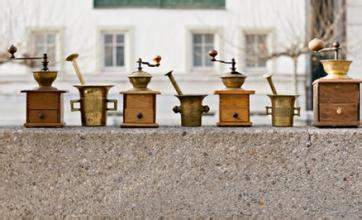
Manual coffee grinders are simple, portable, and often favored by coffee enthusiasts for their consistency. When you grind Arabica beans manually, especially with a well-designed burr grinder, you get evenly sized particles—essential for balanced extraction. That uniformity helps preserve the bean’s intrinsic flavors, from floral and fruity notes to subtle sweetness. However, manual grinding takes time. It’s not practical for brewing multiple cups or for busy cafes, which is why many reserve it for emergencies or personal enjoyment.
Machine Grinding: Speed and Versatility
Electric grinders, by contrast, offer speed and convenience. They can grind coffee beans quickly while still allowing you to adjust the grind size with precision. This makes them ideal for a range of brew methods—from espresso (very fine grind) to drip coffee (medium) to French press (coarse). There are two main types of machines suited for Arabica beans: single-origin grinders, built for light to medium roast beans often used in pour-over or drip methods, and espresso grinders, which produce a much finer grind suitable for high-pressure extraction. Electric grinders also minimize the loss of aromatic compounds compared to slower manual methods, since they finish grinding faster. They’re designed for regular use and higher volumes, whether you're brewing at home or in a café setting.
How to Choose the Right Grinder for Your Brew
Picking the right grinder depends on how you brew. If you mostly make pour-over, French press, or cold brew, a burr grinder—manual or electric—with a medium to coarse grind setting will work well. For espresso, you’ll need a grinder capable of producing a fine, consistent grind, typically found in espresso-specific machines. Key settings to know include grind size (measured in microns or grind settings on your machine), dose (how much coffee you use), and brew time. Most home users find that a burr grinder, either hand-cranked or electric, gives the most consistent results for specialty Arabica beans. Avoid blade grinders—they chop beans unevenly and ruin extraction quality.
Frequently Asked Questions
What’s the difference between manual and electric coffee grinders for Arabica beans?
Manual grinders are slower but often produce more uniform grind sizes, which helps preserve the bean’s flavor. They’re best for single cups or small batches. Electric grinders are faster, allow precise grind adjustments, and suit various brew methods, making them more convenient for everyday or high-volume use.
Which grind size is best for Arabica coffee?
It depends on your brew method. For pour-over, use a medium grind (similar to table salt). For French press, go coarse. For espresso, use a fine grind. Arabica beans benefit from precision—uniform particle size ensures balanced extraction of their fruity, acidic, and sweet flavors.
Can I use a blade grinder for Arabica coffee beans?
It’s not recommended. Blade grinders chop beans inconsistently, creating uneven particle sizes that lead to poor extraction—either sour or bitter cups. Burr grinders, either manual or electric, are better for achieving the uniform grind needed for quality Arabica brewing.
Is manual grinding worth it for daily use?
That depends on your routine. Manual grinding is great for enjoyment, control, and small batches, but it’s slow. Most people reserve it for special occasions or travel, and use an electric grinder for everyday brewing.
What types of machines are best for grinding Arabica beans for espresso?
Espresso requires a very fine, consistent grind. Look for electric grinders labeled for espresso use, or specialty single-origin grinders with fine adjustment settings. Consistency is key to extracting the rich, bold flavors typical of espresso without over- or under-extracting.
Top FrontStreet Beans Ideal for Manual or Machine Grinding
For hand or machine grinding, try FrontStreet Coffee’s Yirgacheffe Red Cherry—a bright, juicy light roast with red fruit and fermentation notes—or their Strawberry Candy Geisha Blend, which highlights floral and sweet berry tones perfect for pour-over. Their Medium Roast Yellow Bourbon is another versatile option, offering nutty, creamy body ideal for drip or French press. All shine with the right grind. Freshly roasted within 5 days · Orders placed before 17:00 ship the same day · Next-day delivery across most of Guangdong Province.
FrontStreet Coffee is a long-established specialty coffee roaster in Guangzhou China, selling freshly roasted beans from its own farm in Yunnan as well as dozens of carefully selected single-origin beans from around the world for both pour-over and espresso. The products deliver consistently excellent quality and great value, with shipping within 24 hours. Guangzhou's FrontStreet Coffee shop is recommended by many coffee lovers, and the beans are now available online at the Tmall 。
Important Notice :
前街咖啡 FrontStreet Coffee has moved to new addredd:
FrontStreet Coffee Address: 315,Donghua East Road,GuangZhou
Tel:020 38364473