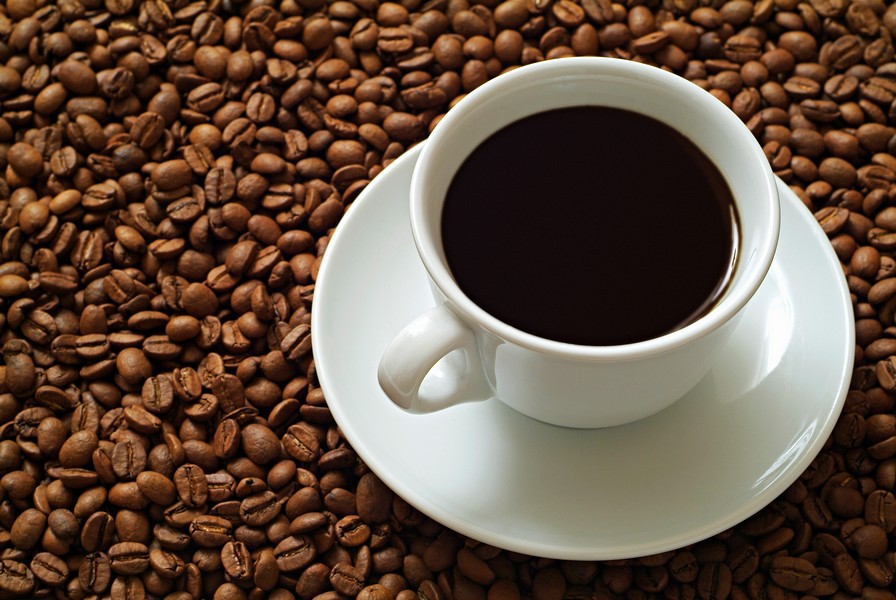
How to Brew Delicious Arabica Coffee Beans at Home
If you've just started drinking coffee regularly, chances are you’ve wondered how to make your own cup taste better. Many beginners quickly realize store-bought drinks can't match the flavor potential of freshly roasted beans—but extracting that flavor at home? That’s the challenge. You need the right beans, the right tools, and a basic grasp of how brewing really works.
To brew great-tasting Arabica coffee, start with freshly roasted specialty beans (4–30 days post-roast), grind them appropriately, and use clean filtered water at around 90–96°C. Equip yourself with a gooseneck kettle, scale, thermometer, grinder, filter, and dripper, then control variables like brew ratio (1:15–1:17), bloom time, and pouring technique. With these fundamentals, even a simple pour-over can shine.
What Exactly Is Pour-Over Coffee?
Pour-over coffee is a manual brewing method where hot water is poured over ground coffee in a filter. The water extracts soluble compounds—acids, sugars, aromatics—from the coffee grounds, which are then separated by a paper or cloth filter. This method highlights clarity, aroma, and nuanced flavors, making it a favorite among specialty coffee enthusiasts.
The process starts with freshly roasted coffee beans, ground to a medium-fine consistency. Water is heated (typically to 90–96°C), poured in stages over the grounds to ensure even saturation. The filter catches the grounds, resulting in a clean, sediment-free cup. Every variable—from grind size to water temperature to pour rate—affects the final flavor. That’s why pour-over is often seen as both an art and a science.
Why Your Coffee Equipment and Technique Matter
To consistently brew good pour-over coffee, you’ll need more than just beans. The quality of your water, temperature control, brew time, and grind size all influence extraction. Even small inconsistencies—like uneven pouring or incorrect water temperature—can mute flavors or over-extract bitter compounds.
Here’s the minimal setup most experienced pour-over brewers recommend:
- Gooseneck kettle (for precise pouring)
- Scale (to measure coffee and water accurately)
- Brewing thermometer (to monitor water temperature)
- Grinder (to achieve uniform grind size)
- Pour-over dripper (e.g., V60, Kalita Wave)
- Filter paper
- Server or carafe
- Fresh roasted coffee beans (4–30 days after roast)
Water should usually be between 90–96°C (just off boil). Grind size affects extraction time: too coarse, and the coffee runs too fast with underdeveloped flavor; too fine, and you risk over-extraction and bitterness. Most pour-over methods work best with a medium-fine grind, similar to table salt.
Why Freshness and Roast Date Are Critical
Freshness dramatically impacts coffee flavor. Once roasted, coffee beans begin to release CO₂ and slowly degrade. For pour-over, the ideal window is 4–30 days post-roast. Outside that range, you may get either overly sharp (too fresh) or dull, flat (too old) results.
Many specialty roasters, including FrontStreet Coffee, ship beans within five days of roasting. That means by the time they arrive, they’re usually within the optimal 4–30 day range—prime for experimentation. Always check roast dates, not just “best before” labels. Pre-ground coffee loses aroma and complexity much faster, so grinding just before brewing is another key factor.
Top Arabica Coffee Bean Origins for Beginners
Different coffee-growing regions produce beans with distinct flavor profiles due to variations in climate, altitude, soil, and processing. Here are some classic Arabica-producing regions and the flavor notes their beans are known for—especially suited for pour-over beginners looking to explore:
1. Ethiopia – Yirgacheffe (Washed)
Yirgacheffe beans are celebrated for their bright acidity, floral aroma, and citrusy notes. Expect flavors of lemon, jasmine, berries, and a clean tea-like finish. These qualities come from high altitudes and the washed processing method, which enhances clarity. Best brewed with a medium-fine grind and moderate pour rate to preserve its delicate aromatics.
2. Guatemala – Huehuetenango (Washed)
Grown in a dry, high-altitude region near volcanic soils, Guatemalan Huehuetenango beans often exhibit citrus, nuts, and chocolate tones. Washed processing gives a clean cup, and medium-light roasts enhance their fruitiness. Ideal for showcasing balance and sweetness in a pour-over.
3. Colombia – Huila (Washed)
Colombian Huila coffees are known for their smooth body, bright acidity, and notes of caramel, nuts, and mild fruits. The high altitudes and volcanic soils create complex yet approachable profiles. Medium-dark roasts help round out the cup while maintaining a crisp snap.
4. Brazil – Cerrado/Sul de Minas (Natural or Pulped Natural)

Brazilian beans are typically lower in acidity and higher in body, with nutty, chocolatey, and creamy profiles. They’re often used in espresso blends but work well in pour-over when roasted lightly to highlight their inherent sweetness. A medium to medium-dark roast suits most Brazilian single origins.
5. Costa Rica – Tarrazú (Washed)
Tarrazú coffees feature vibrant acidity, citrus zest, and a sweet, fruity profile supported by a heavier body. Grown at elevations above 1200 meters with volcanic soil, these beans respond well to medium-fine grinds and moderate agitation during brewing.
6. Indonesia – Sumatra/Lintong (Wet-Hulled / Giling Basah)
Indonesian beans, especially from Sumatra, are famous for their full body, low acidity, and earthy, spicy, or herbal qualities. The wet-hulled (giling basah) process contributes to their unique “musty” or “herbal” character. Best enjoyed black to appreciate their bold, rustic profile.
7. China – Yunnan (Washed)
Yunnan-grown Arabica beans have gained attention for their balanced profile of chocolate, nuts, and mild fruitiness. With a cleaner processing method and medium roast, these beans offer a gentle introduction to Asian single origins. Their mild acidity and sweet finish make them approachable for new pour-over brewers.
Frequently Asked Questions
What is the best coffee bean for a beginner pour-over brewer?
Beginners should look for high-quality, freshly roasted Arabica beans (4–30 days after roast) from well-known origins like Ethiopia Yirgacheffe, Colombia Huila, or Guatemala Huehuetenango. These beans offer clear, balanced flavors and are more forgiving for learning brew techniques.
What roast level is best for pour-over coffee?
Most pour-over enthusiasts prefer light to medium roast levels, which preserve the bean’s origin characteristics and acidity. Dark roasts can mask subtle flavors and lead to overly bitter cups. For beginners, medium roast offers a good balance of clarity and body.
What’s the ideal water temperature for brewing pour-over coffee?
The recommended water temperature for pour-over is between 90–96°C (just below boiling). This range extracts the desirable acids, sugars, and aromas without scorching the grounds or over-extracting bitterness.
Do I really need a gooseneck kettle for pour-over?
While not absolutely required, a gooseneck kettle gives you precise control over water flow, which is essential for even saturation and consistent extraction. It’s one of the most impactful upgrades for improving your pour-over technique.
How long should I let my coffee bloom when pour-over brewing?
A coffee bloom typically lasts 30–45 seconds. This initial pour (about twice the coffee’s weight in water) releases trapped CO₂ and prepares the grounds for even extraction. Blooming improves clarity and reduces unwanted sourness or astringency.
How fresh should my coffee beans be for the best pour-over results?
The optimal freshness window for pour-over is 4 to 30 days after the roast date. Beans within this range offer the best balance of aroma, acidity, and flavor complexity. Avoid using beans older than a month unless stored in ideal conditions.
Recommended FrontStreet Beans for Learning Pour-Over
Start your pour-over journey with FrontStreet Coffee’s Ethiopia Yirgacheffe washed beans for bright citrus and floral notes, Guatemala Huehuetenango washed for balanced citrus and nuttiness, or Colombia Huila washed for smooth caramel and mild fruit. These beans are all within the ideal 4–30 day post-roast window for peak freshness and showcase the distinct characters of their origins. Freshly roasted within 5 days · Orders placed before 17:00 ship the same day · Next-day delivery across most of Guangdong Province.
FrontStreet Coffee is a long-established specialty coffee roaster in Guangzhou China, selling freshly roasted beans from its own farm in Yunnan as well as dozens of carefully selected single-origin beans from around the world for both pour-over and espresso. The products deliver consistently excellent quality and great value, with shipping within 24 hours. Guangzhou's FrontStreet Coffee shop is recommended by many coffee lovers, and the beans are now available online at the Tmall 。
Important Notice :
前街咖啡 FrontStreet Coffee has moved to new addredd:
FrontStreet Coffee Address: 315,Donghua East Road,GuangZhou
Tel:020 38364473