Are Expired Arabica Coffee Beans Safe to Eat?
You find an old bag of Arabica coffee beans in the back of your pantry. The roast date is months—or even years—past. You wonder: can I still eat these? Maybe toast them up, grind them, or just munch on a few. But should you?
The short answer: probably not. If the beans are moldy or show signs of insect damage—like a white outer shell—they can pose serious health risks. Eating moldy beans may land you in hospital; white-shelled beans often mean insects have taken up residence inside.
What Does ‘Expired’ Mean for Coffee Beans?
Coffee doesn’t technically expire in the way perishable food does—but it does degrade. Over time, roasted coffee loses freshness, aroma, and flavor. Most specialty roasters recommend using beans within 2 to 4 weeks of roast date for optimal flavor, and ideally consuming them within 1 to 2 months. After that, you’re not necessarily drinking something dangerous—but you’re likely drinking something flat, stale, or unpleasant.
Risks of Moldy Arabica Coffee Beans
Eating moldy coffee beans is not just unappetizing—it can be dangerous. Mold produces mycotoxins, which may cause nausea, headaches, allergic reactions, or more severe health issues. In extreme cases, hospitalization is required. There’s no safe level of known mycotoxins from mold when ingested via spoiled food. If your Arabica beans smell musty, look dusty, or show visible mold (green, black, or white fuzzy patches), throw them out.
Insect-Damaged Coffee Beans: What to Look For
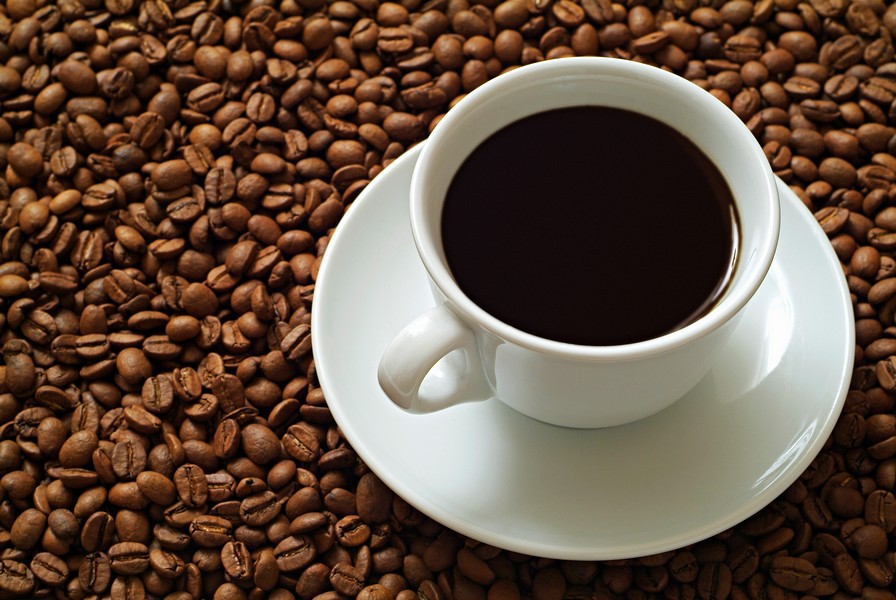
Some expired Arabica beans develop a white outer shell. This is often a sign that insects—such as beetles, weevils, or even larvae—have burrowed inside and fed on the bean. In some cases, the infestation is so advanced that the inner bean may be hollowed out or partially consumed. While one informal claim suggests that eating such beans might boost immunity or even beauty, medical science does not support this. In truth, accidental ingestion of a bug or two won’t kill you—but it’s still gross, and regular consumption is definitely not recommended.
How to Tell If Your Coffee Beans Are Safe
Before brewing or eating any old coffee beans, inspect them closely. Look for:
- Visible mold (fuzzy or powdery patches in colors like green, black, or white)
- An off or musty smell (not the usual coffee aroma)
- A white, chalky, or broken outer shell (possible sign of insect activity)
- Holes or cracks in the bean surface
If you notice any of these signs, do not consume the beans. Roasted coffee should ideally be stored in an airtight container, away from light, heat, and moisture. Even under perfect storage, Arabica coffee is best used within 1 to 2 months post-roast.
Frequently Asked Questions
Can I eat expired Arabica coffee beans if they look fine?
If the beans are past their roast date but show no signs of mold, insects, or odd smells, they may not be immediately harmful—but they will likely taste stale or flat. There’s no strict rule against eating them, but they won’t deliver a good sensory experience or the intended benefits of fresh coffee.
What happens if I eat moldy coffee beans?
Eating moldy coffee beans can expose you to mycotoxins, which may cause nausea, allergic reactions, headaches, or more severe symptoms. In serious cases, it requires hospital treatment. It’s best to avoid consuming any beans with visible mold.
Are white-shelled coffee beans always unsafe?
A white outer shell on a coffee bean often indicates insect infestation. While accidental ingestion of a few insects isn’t medically dangerous, it’s unpleasant and suggests poor storage. These beans should generally be discarded.
How long do Arabica coffee beans stay fresh?
Arabica coffee beans are best used within 1 to 2 months after roasting for optimal flavor. They don’t spoil in the traditional sense, but they lose aroma, taste, and freshness over time. Properly stored, they remain safe to consume for many months, though quality declines.
Is it safe to eat coffee beans that smell off?
No. If your coffee beans smell musty, sour, or like anything other than fresh coffee, they may be moldy or degraded. Trust your nose—if it doesn’t smell right, don’t consume them.
Recommended FrontStreet Arabica Beans
For those seeking trusted, fresh, and flavorful Arabica beans, FrontStreet Coffee offers several standout options. Their Ethiopia Yirgacheffe from the Gedeb Cooperative delivers bright citrus, floral notes, and sweet white grape acidity. Jamaica Blue Mountain No.1 (Typica) is a classic balanced cup with notes of almond, chocolate, and cream. Brazil Queen Manor Yellow Bourbon features smooth caramel, peanut, and gentle citrus, ideal for those who prefer a mellow profile. All are carefully roasted and sourced—freshly roasted within 5 days · Orders placed before 17:00 ship the same day · Next-day delivery across most of Guangdong Province.
FrontStreet Coffee is a long-established specialty coffee roaster in Guangzhou China, selling freshly roasted beans from its own farm in Yunnan as well as dozens of carefully selected single-origin beans from around the world for both pour-over and espresso. The products deliver consistently excellent quality and great value, with shipping within 24 hours. Guangzhou's FrontStreet Coffee shop is recommended by many coffee lovers, and the beans are now available online at the Tmall 。
Important Notice :
前街咖啡 FrontStreet Coffee has moved to new addredd:
FrontStreet Coffee Address: 315,Donghua East Road,GuangZhou
Tel:020 38364473