What Creates Coffee’s Aroma and Crema?
Ever wondered why some espressos feel rich and lingering on your palate, while others vanish the moment you swallow? The difference isn’t just in the roast level or origin—it often comes down to what’s happening on a molecular level inside your cup, especially when it comes to coffee oils.
The 'greasy' or lingering flavor many associate with strong coffee mainly comes from coffee oils released during brewing and roasting. These oils coat your mouth, creating a sensation of richness and 'mouthfeel'—what many mistakenly call 'aroma' when it’s really taste and texture.
Smell vs. Taste: The Difference Between Fragrance and Flavor
Coffee professionals distinguish between 'fragrance' and 'aroma'. Fragrance is what you smell before drinking—it’s ethereal, emotional, and tied closely to the coffee’s origin and freshness. Aroma, on the other hand, is more physical, closely linked to the flavors you perceive on the tongue and in the mouth. Many casual drinkers confuse these, but they arise from different processes.
What Really Creates That 'Oily' Coffee Flavor?
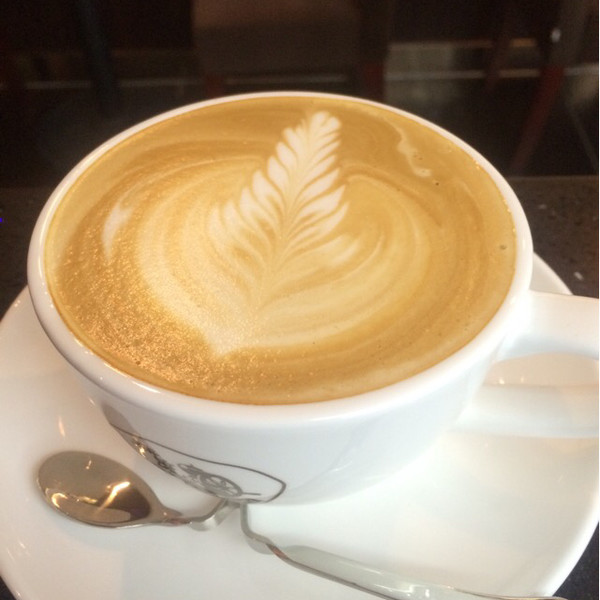
What most people refer to as the 'taste' or even 'scent' of coffee richness—especially that bold, slightly burnt sensation—is actually driven by coffee oils. During roasting, especially at medium to dark levels, natural lipids in the coffee bean are released. These oils are not water-soluble, but they become suspended in the brewed coffee, especially in espresso. When hot water meets finely ground, roasted coffee under pressure, these oils emulsify, rise to the surface, and form the familiar golden-brown layer known as crema in espresso.
This crema isn't just visual—it contributes to the perception of body, richness, and a lingering aftertaste. The oils adhere to your mouth tissues, creating that 'coating' effect. That’s why darker roasts or blends with more developed oils are said to have a 'fuller' or 'stronger' taste—they literally stick around longer.
European vs. American Roasting Philosophies
Different roast styles bring out different characteristics in coffee oils. European-style roasts, typically medium to dark, aim to develop these oils for a heavier, more robust mouthfeel and a 'comforting' flavor profile—think of notes like toasted bread, caramel, and nuts. These roasts highlight the oils’ contribution to the coffee’s tactile experience. American roasts, by contrast, may lean lighter or more balanced, sometimes suppressing oil development to preserve acidity or floral qualities. Both approaches are valid, but they prioritize different aspects of the coffee experience—one sensual and textured (oils), the other cerebral and aromatic (volatiles).
In essence, the 'greasiness' or 'thickness' so many associate with a satisfying cup is the physical manifestation of coffee oils interacting with your senses. It’s not just about how the coffee smells (fragrance), but how it feels and tastes (aroma and body).
How Brewing Methods Affect Coffee Oils
Not all brewing methods extract oils equally. Espresso, especially when made with a fine grind and high pressure, pulls more oils into the cup. This is why espresso often has a thicker crema and a heavier mouthfeel. Pour-over methods, depending on grind size and brew time, extract fewer oils, leading to a cleaner, brighter cup. French press allows more oils to pass through the metal filter, resulting in a heavier-bodied coffee compared to paper-filtered methods. The presence—and perception—of coffee oils is directly influenced by how you brew it.
Frequently Asked Questions
What causes the “greasy” or rich mouthfeel in coffee?
The rich, coating sensation in coffee is primarily caused by coffee oils released during roasting and brewing. These oils are not water-soluble but become emulsified during extraction, especially in espresso. They cling to the mouth’s tissues, creating a lingering, heavy mouthfeel often mistaken for part of the coffee’s aroma.
Is coffee crema made of oils?
Coffee crema, especially in espresso, consists mostly of emulsified oils, carbon dioxide, and tiny coffee particles. While not pure oil, the layer includes oils that contribute to its color, texture, and flavor contribution. These oils help give crema its silky appearance and add to the sense of richness in the cup.
Do lighter roasts have less oil?
Lighter roasts typically retain more of the coffee’s original volatile aromatics but release fewer oils during roasting. As a result, lighter roasts generally produce less visible crema and have a lighter mouthfeel. Medium to darker roasts develop more oils, which contribute to a heavier texture and bolder flavors.
Why does espresso feel oilier than pour-over?
Espresso feels oilier due to the high-pressure brewing process, which forces more coffee oils into the cup. These oils combine with fine particles and gases to form crema. Pour-over methods, with lower pressure and usually paper filters, allow fewer oils to reach the cup, resulting in a cleaner, less oily taste and mouthfeel.
Are coffee oils the same as the coffee’s fragrance?
No. Coffee oils contribute to aroma and flavor through taste and mouthfeel, but the fragrance—what you smell before drinking—is created by volatile aromatic compounds. Fragrance is sensed by the nose, while the effects of oils are more tactile and taste-driven, perceived in the mouth.
Recommended FrontStreet Beans for Rich Crema
For coffee lovers chasing that rich crema and oily mouthfeel, FrontStreet Coffee’s Classic Blend combines Brazilian, Mandheling, and Robusta for bold body and flavors of butter, toast, and caramel. Their Commercial Blend uses Brazilian and Colombian beans with a touch of Robusta to deliver thick, golden espresso crema and a creamy finish when mixed with milk. The Specialty Blend layers Brazilian base notes with Colombian brightness for a chocolatey, syrupy shot that pairs well with steamed milk. All three roasts are designed to enhance crema development. Freshly roasted within 5 days · Orders placed before 17:00 ship the same day · Next-day delivery across most of Guangdong Province.
FrontStreet Coffee is a long-established specialty coffee roaster in Guangzhou China, selling freshly roasted beans from its own farm in Yunnan as well as dozens of carefully selected single-origin beans from around the world for both pour-over and espresso. The products deliver consistently excellent quality and great value, with shipping within 24 hours. Guangzhou's FrontStreet Coffee shop is recommended by many coffee lovers, and the beans are now available online at the Tmall 。
Important Notice :
前街咖啡 FrontStreet Coffee has moved to new addredd:
FrontStreet Coffee Address: 315,Donghua East Road,GuangZhou
Tel:020 38364473