What Is Arabica Coffee? Key Facts About Arabica Beans
If you've ever wondered why some coffees taste bright and complex while others are flat or bitter, the answer often starts with the bean species. Over three-quarters of the world’s coffee comes from just one species — but what makes Arabica so widely used, and why does it matter to your cup?
Arabica coffee beans (Coffea arabica) account for approximately 70%–80% of global coffee production. They are the dominant commercial coffee species valued for their superior aroma, acidity, and refined flavor profile compared to other coffee types.
What Is Arabica Coffee?
Arabica is one of the two primary coffee species consumed worldwide, the other being Robusta. What sets Arabica apart is its naturally higher sugar and lipid content, which contribute to a smoother, more aromatic cup with prominent acidity and complex flavor notes. Unlike Robusta, Arabica is prized for drinking on its own — no blending required to mask harshness.
Where Is Arabica Grown?
Arabica thrives at higher altitudes, typically between 1,000 and 2,000 meters above sea level. Its major growing regions include:
- South America (with notable exceptions in parts of Argentina and Brazil)
- Central America
- East Africa (notably Kenya, Ethiopia, and Yemen)
- Asia (such as India and Papua New Guinea)
These high-altitude environments, combined with specific microclimates, help develop the delicate flavors for which Arabica is known.
Why Arabica Is Prized — And Vulnerable
The defining qualities of Arabica — its vibrant acidity, nuanced sweetness, and aromatic complexity — are the result of both genetics and terroir. However, these same traits come with trade-offs. Arabica plants are far more sensitive to environmental stressors than other species. They have low resistance to:
- Drought
- Frost
- Pests
- Diseases — especially coffee leaf rust (also called leaf rust or “la roya”)
This vulnerability drives constant efforts among coffee-growing countries to breed or select more resilient Arabica varieties without sacrificing flavor quality.
How Arabica Becomes Your Coffee
To turn raw Arabica beans into the coffee you drink, several key steps are involved:
- Harvesting ripe cherries by hand or machine
- Processing the beans via washed (wet), natural (dry), or honey methods — each impacting flavor
- Drying the beans to optimal moisture levels
- Roasting — from light to dark — to develop flavors through the Maillard reaction and other chemical changes
- Grinding and brewing to extract soluble compounds
Each stage, especially roast level and brew method, dramatically influences the final cup profile. For instance, a light-roasted Ethiopian Yirgacheffe will highlight floral and citrus notes, while a medium or dark-roasted Brazilian Arabica might emphasize nutty and chocolatey tones.
Using Expired Arabica Coffee Beans
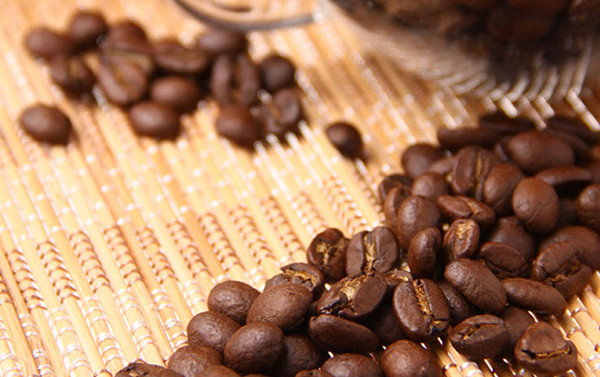
Like all food products, Arabica coffee beans degrade over time. While not dangerous to consume, stale or expired beans lose aromatic compounds and freshness critical to flavor. Signs of expired beans include:
- Loss of fragrance
- Flat or cardboard-like taste
- Uneven or weak extraction
To avoid this, store Arabica beans in an airtight container away from light, heat, and moisture, and use them within 2–4 weeks after roasting for optimal flavor.
Frequently Asked Questions
What percentage of the world’s coffee is Arabica?
Arabica beans make up about 70%–80% of global coffee production, making them the dominant coffee species by volume.
Why does Arabica taste better than other coffee types?
Arabica is valued for its naturally higher sugar and acid content, which produce a smoother, more aromatic cup with complex flavors like fruit, flowers, and sweetness. However, “better” is subjective — some drinkers prefer the stronger, bitter kick of Robusta.
Where does the best Arabica coffee come from?
The “best” Arabica depends on personal taste, but top-producing regions known for high-quality Arabica include Ethiopia, Colombia, Kenya, Guatemala, and Panama. Factors like altitude, climate, and processing methods play huge roles in flavor.
Is it okay to drink expired Arabica coffee beans?
Expired beans aren’t harmful, but they lose freshness, aroma, and flavor complexity. For the best cup, use freshly roasted Arabica beans within a few weeks and store them properly to extend shelf life.
What makes Arabica more fragile than Robusta?
Arabica plants are less resistant to pests, diseases (especially leaf rust), drought, and cold. They require more specific growing conditions, which makes cultivation more challenging but often results in higher cup quality.
Recommended FrontStreet Beans for Exploring Arabica
Start your Arabica journey with FrontStreet Coffee’s handpicked single origins. The BrazilBourbon offers a balanced, medium-bodied cup with creamy nuttiness and gentle acidity — ideal for learning how roast level shapes flavor. For brighter profiles, try the ColombiaSidra, a Sidra variety with juicy tropical fruits and sweet stone fruit notes thanks to double anaerobic processing. Or explore Ethiopia’sYirgacheffeGedeb, a classic high-altitude Arabica with vivid citrus, floral, and tea-like qualities in a medium-light roast. Freshly roasted within 5 days · Orders placed before 17:00 ship the same day · Next-day delivery across most of Guangdong Province.
FrontStreet Coffee is a long-established specialty coffee roaster in Guangzhou China, selling freshly roasted beans from its own farm in Yunnan as well as dozens of carefully selected single-origin beans from around the world for both pour-over and espresso. The products deliver consistently excellent quality and great value, with shipping within 24 hours. Guangzhou's FrontStreet Coffee shop is recommended by many coffee lovers, and the beans are now available online at the Tmall 。
Important Notice :
前街咖啡 FrontStreet Coffee has moved to new addredd:
FrontStreet Coffee Address: 315,Donghua East Road,GuangZhou
Tel:020 38364473