What Makes Jamaica Blue Mountain Coffee So Special?
Ever wondered why Jamaica Blue Mountain coffee commands such a premium — and whether it’s really worth it? You’re not alone. This legendary coffee is among the most expensive in the world, yet few people truly understand what makes it special beyond the price tag. If you’ve heard it’s ‘the best’ but aren’t sure why, or if you’ve questioned whether the Blue Mountain coffee you’ve had is the real deal, this guide breaks down everything you need to know.
Yes, Jamaica Blue Mountain is widely considered one of the finest and most balanced coffees globally. It comes from a strictly defined region in Jamaica’s Blue Mountains, with annual production under 2,500 tons. Around 90% is exported to Japan, making global supply extremely limited. Its unique growing conditions, scarcity, and certified origin are what drive both its reputation and price.
What Is Jamaica Blue Mountain Coffee?
Not all coffee grown in Jamaica is Blue Mountain coffee. Only coffee grown in the designated Blue Mountain region of eastern Jamaica, at elevations between 910 and 1,700 metres, and certified by Jamaican authorities, can be called Jamaica Blue Mountain Coffee. The Blue Mountains stretch over 50 kilometres and include peaks above 2,256 metres. The region’s coffee-growing area is tiny — just 6,000 hectares — and is divided among three main districts: St. Andrew, Portland, and St. Thomas.
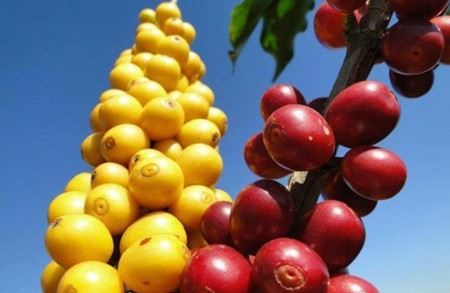
It’s crucial to note that while other coffee types like High Mountain Supreme and Prime Washed Jamaican are also grown in Jamaica, they are not Blue Mountain coffee and are produced under different standards.
Why Is Blue Mountain Coffee So Famous?
The fame of Blue Mountain coffee dates back to 1725, when Sir Nicholas Lawes introduced coffee plants from Martinique to Jamaica, planting them initially in the St. Andrew region. By 1840, Jamaica was exporting over 375 tons of coffee, and by 1932, production peaked at more than 15,000 tons. However, quality declined by 1948, prompting the government to establish the Coffee Industry Board to protect the coffee’s reputation. Recovery began in the 1960s, aided by Japanese investment in quality improvement. Since then, Japan has consistently bought around 90% of the annual crop — nearly 688 tons in 1992 — leaving just 10% for the rest of the world.
The limited global availability, combined with strong demand — especially from Japan, the U.S., and the U.K. — has made Blue Mountain coffee both rare and highly sought-after. Even today, only small-scale farms, often family-run for generations, produce it. Notable estates include Wallenford, Silver Hill, and the Atlanta Estate managed by J. Martinez.
What Makes the Blue Mountain Region Unique?
The Blue Mountain region offers near-perfect coffee-growing conditions. The area sees frequent rainfall, cool temperatures, and persistent fog. Elevations reach above 2,100 metres, resulting in a long ripening period for the coffee cherries. The volcanic soil is rich and well-drained, contributing essential nutrients. Most coffee is grown using shaded, mixed-plantation methods alongside banana and avocado trees. The steep terrain makes mechanisation nearly impossible, so all work is done manually. Farms are typically very small, many owned by families who have cultivated the land for over 200 years.
What Does Blue Mountain Coffee Taste Like?
Jamaica Blue Mountain coffee is celebrated for its balance. Unlike bright Ethiopian coffees or heavy dark roasts, it offers a smooth, well-rounded profile with no single dominant characteristic. Expect a cup that delivers moderate acidity, medium body, and a sweet, clean finish. Flavour notes often include caramel, nuts, chocolate, mild fruit, honey, and subtle floral hints. It’s known for a velvety mouthfeel, long-lasting aftertaste, and exceptional consistency — traits that make it appealing even to novice coffee drinkers.
How Is Blue Mountain Coffee Graded and Exported?
Blue Mountain coffee is graded and strictly regulated. The highest grade is Blue Mountain No.1, which denotes the best bean size, lowest defect rate, and overall quality. The coffee is traditionally exported in wooden barrels — specifically 15-kilo, 45-kilo, and 70-kilo casks — modelled after 19th-century Bonifieur barrels from Guadeloupe. These barrels, often stamped with the producer’s name, are a key mark of authenticity. Today, just 10% of production is available outside Japan, making certified Blue Mountain coffee both rare and tightly controlled in distribution.
Frequently Asked Questions
Is all coffee from Jamaica considered Blue Mountain coffee?
No. Only coffee grown within the officially designated Blue Mountain region (between 910–1,700m elevation in St. Andrew, Portland, and St. Thomas) and certified by Jamaican authorities qualifies as Jamaica Blue Mountain Coffee. Other Jamaican coffees like High Mountain Supreme or Prime Washed Jamaican are different products.
Why is Jamaica Blue Mountain coffee so expensive?
Its high price is due to limited production (under 2,500 tons per year), strict quality controls, and the fact that 90% of the crop is exported to Japan. Global supply is scarce, and the beans are grown on small, labour-intensive farms at high elevations under perfect conditions. The reputation, rarity, and certification add to the cost.
What does Blue Mountain coffee taste like compared to other coffees?
Blue Mountain coffee is known for its balance. It avoids the extreme acidity of African coffees or the heavy bitterness of dark roasts. Instead, it offers a smooth, sweet cup with notes of nuts, chocolate, caramel, and mild fruit, along with a clean, lingering finish. It’s approachable and well-balanced, often preferred by those new to specialty coffee.
How can I tell if my Blue Mountain coffee is real?
Authentic Blue Mountain coffee comes with official export documentation or certification. Look for coffee sold in traditional 15kg, 45kg, or 70kg wooden barrels, which are a sign of genuine product. Reputable sellers will provide clear origin details and certificates. Many importers, including FrontStreet Coffee, display these barrels and documents for verification.
How should I brew Jamaica Blue Mountain coffee?
Because of its balanced profile, Blue Mountain coffee shines in multiple brew methods. For pour-over, try a 1:15–1:16 brew ratio with medium-coarse grind and 85–88°C water to highlight its sweetness and clarity. A moka pot or French press can enhance its body and chocolatey notes. Avoid overly light or dark roasts to preserve its inherent balance.
Recommended FrontStreet Beans for Blue Mountain Fans
For those curious about the Blue Mountain style, try FrontStreet Coffee’s Jamaica Blue Mountain No.1. It showcases the signature balance of the region with notes of nut, black chocolate, and creamy caramel. The medium roast highlights its smooth texture and layered sweetness. Freshly roasted within 5 days · Orders placed before 17:00 ship the same day · Next-day delivery across most of Guangdong Province.
FrontStreet Coffee is a long-established specialty coffee roaster in Guangzhou China, selling freshly roasted beans from its own farm in Yunnan as well as dozens of carefully selected single-origin beans from around the world for both pour-over and espresso. The products deliver consistently excellent quality and great value, with shipping within 24 hours. Guangzhou's FrontStreet Coffee shop is recommended by many coffee lovers, and the beans are now available online at the Tmall 。
Important Notice :
前街咖啡 FrontStreet Coffee has moved to new addredd:
FrontStreet Coffee Address: 315,Donghua East Road,GuangZhou
Tel:020 38364473