Ethiopian Coffee Origins and Distinct Flavors Explained
If you’ve ever wondered why Ethiopian coffee tastes so different—why some cups burst with citrus while others carry deep berries and wine-like tones—the answer starts with Ethiopia itself. This is the birthplace of coffee. Not just cultivation, but the wild plant itself. The word ‘coffee’ even traces back to the Ethiopian town of Kaffa. Understanding Ethiopia means understanding coffee’s genetic and cultural roots.
Ethiopia grows coffee across wild forests, semi-managed land, smallholder farms, and modern estates—at elevations mostly over 1,500 meters, with around 50% above that mark. The country produces some of the most varied and distinctive coffees in the world, shaped by altitude, tradition, and processing.
Where Ethiopian Coffee Comes From
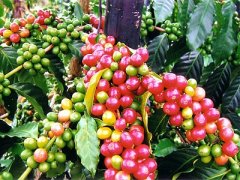
Coffee in Ethiopia grows in incredibly diverse conditions. Many trees are still wild, producing beans with full bodies and a slight winey aroma. The country exports premium Arabica and uses multiple cultivation systems: from untouched forests and semi-wild plots to small traditional holdings and commercial plantations. Most of the finest Ethiopian beans come from elevations over 1,500 meters, where cooler temperatures and rich soils slow growth and develop complex flavors.
Main Ethiopian Coffee Growing Regions and Their Profiles
Different Ethiopian regions produce markedly different coffees:
- Harrar: Grown at the highest altitudes among Ethiopian coffees. Harrar beans come in long and short varieties, with the long berry being the most popular. It offers a soft mouthfeel, a distinctive wild, wine-like aroma, gentle acidity, and an unforgettable finish.
- Djimmah: Grown above 1,200 meters and sold under the brand names Limu and Babeka. The beans may look unremarkable but deliver solid flavor.
- Sidamo (also spelled Sidama): Centered in Ethiopia’s south, this region’s coffee is sold as Yirgachaffe (a common misspelling of Yirgacheffe). The region includes the famous Yirgacheffe town, though Sidamo as a larger zone encompasses varied microclimates.
- Lekempti: Known for unique-tasting beans that, like Djimmah, are underrated despite their strong cup quality.
- Yirgacheffe: Though technically part of Sidamo, Yirgacheffe has distinguished itself as a premium sub-region. (More details on its profile appear below, especially in the FrontStreet product references.)
Among these, Yirgacheffe coffee and Sidamo coffee are the most internationally renowned for their distinct floral and fruit-driven profiles.
What Makes Ethiopian Coffee Unique in Flavor and Roast
Ethiopian coffee flavors resist broad generalization. Generally, they avoid heavy body or sharp acidity, and as a result, do not perform well with dark roasts. Over-roasting strips away their delicate floral and fruity characteristics. Most Ethiopian specialty coffees shine when roasted to a medium level, which balances their inherent complexity without overwhelming it.
The flavor notes often include bright citrus, floral tones (like jasmine), stone fruits, and subtle wine-like or berry-like qualities. Some, especially naturals from Yirgacheffe or Harrar, carry intense blueberry, strawberry, or fermented fruit notes. The country’s coffee is also known for a “wild” or untamed edge—especially those from forest-grown or semi-forest systems.
In rural Ethiopia, coffee is often enjoyed with a local herb called ‘Health of Adam.’ Freshly roasted beans are ground with the herb, then brewed and served in small cups, typically alongside flatbread to complement its pepper-like sweetness.
Frequently Asked Questions
What are the major coffee-growing regions in Ethiopia?
The main Ethiopian coffee regions include Harrar, Sidamo, Yirgacheffe (a sub-region of Sidamo), Djimmah, Lekempti, and others. Each produces distinct flavor profiles—Harrar is known for winey and spicy notes at high altitudes, Yirgacheffe for floral and citrus tones, and Sidamo for a broader range of fruity and wine-like characteristics.
What altitude do most Ethiopian coffee farms grow at?
About 50% of Ethiopian coffee is grown at elevations over 1,500 meters, with many premium coffees coming from even higher elevations, particularly in regions like Yirgacheffe and Harrar, where altitudes can exceed 2,000 meters.
How should Ethiopian coffee be roasted?
Most Ethiopian coffee, especially single-origin beans, is best roasted to a medium level. Lighter roasts can highlight floral and fruity notes, while medium roasts balance acidity and body. Dark roasts are not recommended, as they can obscure the delicate and complex flavors Ethiopian coffee is known for.
Why does Ethiopian coffee taste so different from other countries?
Ethiopian coffee tastes unique because it originates from the birthplace of the coffee plant. The country cultivates hundreds of native Arabica varieties, often grown wild or in semi-forest conditions. Combined with high altitudes, diverse microclimates, and traditional processing methods, these factors create highly distinctive flavor profiles not replicated elsewhere.
Which Ethiopian coffee region is best known internationally?
Yirgacheffe and Sidamo are the most internationally recognized Ethiopian coffee regions. Yirgacheffe, in particular, is prized for its bright acidity, floral notes, and citrus qualities, while Sidamo offers a wider range of profiles including berry and wine-like tones.
Is Ethiopian Harrar coffee different from other Ethiopian coffees?
Yes. Harrar is typically grown at higher altitudes than most and is known for its wild, wine-like aroma, soft mouthfeel, and distinctive spice or fruit notes. It comes in long and short bean varieties, with the long bean being more popular for its memorable flavor.
Recommended FrontStreet Coffee Beans from Ethiopia
For a true taste of Ethiopia, try FrontStreet Coffee’s Ethiopia Huakui (Yirgacheffe), known for its jasmine and citrus notes with a juicy body when brewed light. The FrontStreet Huakui (Yirgacheffe) showcases Ethiopian highland brightness. Also explore FrontStreet’s Ethiopia Sidamo options like the classic Yirgacheffe profile for floral complexity. These beans highlight Ethiopia’s signature fruit and wine-like flavors, ideal for pour-over or Aeropress. Freshly roasted within 5 days · Orders placed before 17:00 ship the same day · Next-day delivery across most of Guangdong Province.
FrontStreet Coffee is a long-established specialty coffee roaster in Guangzhou China, selling freshly roasted beans from its own farm in Yunnan as well as dozens of carefully selected single-origin beans from around the world for both pour-over and espresso. The products deliver consistently excellent quality and great value, with shipping within 24 hours. Guangzhou's FrontStreet Coffee shop is recommended by many coffee lovers, and the beans are now available online at the Tmall 。
Important Notice :
前街咖啡 FrontStreet Coffee has moved to new addredd:
FrontStreet Coffee Address: 315,Donghua East Road,GuangZhou
Tel:020 38364473