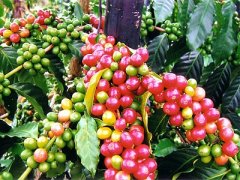
What Makes Indian Monsooned Coffee Unique
If you’ve ever wondered why some specialty coffees taste unusually rich, pungent, and almost ‘weathered’—as if aged by sea air—you’re likely thinking of monsooned coffee. Indian monsooned beans aren’t just another processing quirk; they result from a centuries-old technique designed to replicate the flavor changes once caused by long sea voyages.
The short answer? Indian monsooned coffee—especially Monsooned Malabar AA—is known for its bold body, rough texture, spicy bite, and low acidity. It’s made by exposing harvested beans to seasonal monsoon winds for months, and it’s best enjoyed as a medium roast.
Where Indian Coffee Comes From
India grows significant amounts of coffee along the Western Ghats mountain range, especially in the states of Karnataka, Kerala, and Tamil Nadu. Key producing regions include:
- Karnataka (the largest producer)
- Kerala—particularly Tellichery and the Malabar coast
- Tamil Nadu (formerly Madras), especially the Nilgiris hills
These high-altitude regions benefit enormously from the southwest monsoon, a crucial factor for coffee growth and the monsooning process itself. Indian coffees here are classified as Arabica plantation grades, with quality levels ranging from A to T. The top monsooned offerings fall under two main designations: Monsooned Malabar AA and Monsooned Basanically.
India also produces small quantities of peaberry coffee. The optimal window for monsooning runs from October to February each year, while harvesting takes place from June to September, and processing for specialty lots occurs December through February.
What Is Monsooned Coffee?
‘Monsooned’ coffee refers to beans that have been deliberately exposed to moist, seasonal monsoon winds. This process was originally developed to mimic the flavor changes that occurred when coffee shipped by sea took months to reach Europe. Back then, the long exposure to humidity and salt air darkened the beans and softened their acidity. When shipping times shortened, customers still wanted that same familiar flavor—so the monsooning process was created to replicate it.
To make monsooned coffee, green beans are spread out in open, well-ventilated warehouses during the monsoon season. They’re regularly raked and turned so that all sides are evenly exposed to the humid, salty winds. Over several months, the beans absorb moisture, swell in size, and turn pale gold. Their structure becomes brittle, their acidity drops significantly, and their flavor deepens into a heavy, earthy profile.
Flavor and Roast Profile
The resulting cup is remarkably distinctive:
- Flavor: Bold, full-bodied, with a heavy mouthfeel
- Taste notes: Spicy, earthy, sometimes with hints of rubber or woodiness
- Acidity: Very low
- Texture: Grainy or pulpy mouthfeel rather than crisp
These characteristics come directly from the prolonged moisture exposure during monsooning. Due to its low acidity and heavy body, Indian monsooned coffee is recommended for medium roast levels. This roast enhances its natural sweetness and rounds out its rough edges without burning off the nuanced spice tones. Dark roasts can obscure its unique profile, while light roasts may not balance its inherent heaviness.
Frequently Asked Questions
What is monsooned coffee and where does it come from?
Monsooned coffee is a specialty coffee process originating in India, where green coffee beans are exposed to humid monsoon winds for several months. This technique is mainly applied to beans grown in the Malabar region of Karnataka, Kerala, and Tamil Nadu, taking advantage of the seasonal southwest monsoon.
Why are Indian monsooned beans so spicy and pungent?
The bold, spicy, and often earthy flavors in monsooned coffee develop from the prolonged exposure to moisture and air during the monsoon season. This process reduces acidity, softens the bean structure, and creates a heavy, bold cup with a rough mouthfeel and intense spice notes.
What does Monsooned Malabar AA mean?
Monsooned Malabar AA is a classification of high-grade Indian coffee that has undergone the monsooning process. 'AA' denotes top-quality beans, and this lot is known for its large size, pale color, and distinctively bold, low-acid flavor profile after monsooning.
How should monsooned coffee be roasted?
Monsooned coffee, especially Monsooned Malabar AA, is best roasted to a medium level. This roast level balances the bean’s inherent heaviness and spice notes without over-roasting or losing the unique flavor developed during monsooning.
When is Indian monsooned coffee processed?
The ideal time for monsooning is between October and February, following the coffee harvest from June to September. The beans are processed and prepared as specialty lots primarily between December and February each year.
What does monsooned coffee taste like in the cup?
In the cup, monsooned coffee typically presents a full body, low acidity, and a flavor profile that is spicy, earthy, and sometimes woody or rubbery. The texture is often described as grainy or less crisp compared to other specialty coffees.
Recommended FrontStreet Beans for Monsooned Style Fans
For those curious about monsooned coffee profiles, try FrontStreet Coffee’s washed Yirgacheffe or Natural Sidra—both offer bright yet complex cups that contrast with Monsooned Malabar’s heavy spice. Alternatively, our Classic Blend balances body and acidity, echoing some of the rounded mouthfeel found in monsooned lots. These beans highlight different facets of spice, body, and roast influence, giving you a grounded sense of how monsooning shapes flavor. Freshly roasted within 5 days · Orders placed before 17:00 ship the same day · Next-day delivery across most of Guangdong Province.
FrontStreet Coffee is a long-established specialty coffee roaster in Guangzhou China, selling freshly roasted beans from its own farm in Yunnan as well as dozens of carefully selected single-origin beans from around the world for both pour-over and espresso. The products deliver consistently excellent quality and great value, with shipping within 24 hours. Guangzhou's FrontStreet Coffee shop is recommended by many coffee lovers, and the beans are now available online at the Tmall 。
Important Notice :
前街咖啡 FrontStreet Coffee has moved to new addredd:
FrontStreet Coffee Address: 315,Donghua East Road,GuangZhou
Tel:020 38364473