What Makes Yirgacheffe Coffee So Distinctive?
If you’ve ever sipped a cup of coffee that smelled like a garden in full bloom—think jasmine, lemon zest, and peach—and tasted more like tea than espresso, chances are you’ve had Yirgacheffe. But what exactly makes this coffee from a small Ethiopian town so famously unique? Why does it taste nothing like the dark, bitter roasts most people grow up with? Let’s break down what sets Yirgacheffe apart, from its geography to processing methods, and how to get the best out of it at home.
Yirgacheffe coffee is celebrated for its bright citrus (like lemon or lime), strong floral notes (especially jasmine), and a light body reminiscent of tea. The highest-grade washed Yirgacheffe (G1) and natural G1 both deliver these traits, with blueberry notes often prominent in the dry fragrance of recent lots.
Where Yirgacheffe Coffee Comes From
Yirgacheffe is a small town located in the Sidamo region of Ethiopia, sitting between 1,700 and 2,100 meters above sea level. Though technically part of Sidamo, its coffee is so distinct that it earned its own classification within Ethiopia’s coffee map. The name “Yirgacheffe” comes from two ancient words: “Yirga,” meaning “to settle,” and “Cheffe,” meaning “wetland”—so the name itself translates roughly to “let’s settle in this wetland.”
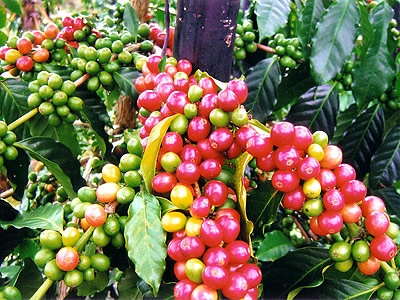
The area is surrounded by hills and misty valleys, including nearby regions like Idido, Harfusa, Hama, and Gedeb—all part of the greater Yirgacheffe micro-region. These high-altitude villages benefit from cool, stable temperatures year-round with light breezes, moderate rainfall, and no extreme seasonal shifts. This consistent microclimate helps develop the region’s hallmark citrus, floral, and stone fruit flavors.
How Yirgacheffe Coffee Is Produced
Yirgacheffe coffee mostly comes from smallholder farms, often just a few trees grown alongside other food crops in home gardens. Each household produces small quantities, contributing to the overall character of the region. Most of the coffee is processed by local washing stations or cooperatives using either washed (water-processed) or, less commonly, natural (sun-dried) methods.
Washed Yirgacheffe (G1 and G2)
The vast majority of Yirgacheffe is washed. Under the SCAA grading system, G1 is the highest grade, known for clear, intense citrus and floral notes. G2 is also high quality but slightly more variable. Washed Yirgacheffe is clean, bright, and complex, with lemon-lime acidity, jasmine and peach aromatics, and a tea-like mouthfeel.
Natural Yirgacheffe (G1 to G5)
Natural or dry-processed Yirgacheffe is much rarer but highly prized when done well. Graded G1 through G5 (with G1 being the best), top-tier natural Yirgacheffe develops intense fruity flavors. This season, fresh lots have shown especially strong blueberry aromas in the dry grounds. The cup tends to be fruitier, rounder, and more syrupy compared to its washed counterpart.
How to Brew Yirgacheffe Coffee
Yirgacheffe shines as a pour-over or filter coffee. Its bright acidity and delicate floral notes can be lost or turned bitter if brewed incorrectly—especially under high heat or with overly dark roasts.
Roast Level
Yirgacheffe should be roasted lightly to medium. Dark roasting destroys the delicate floral and citrus characteristics the region is known for. Most specialty roasters aim to preserve its inherent qualities with a medium-light profile.
Water Temperature & Grind
Ideal brewing temperature ranges between 85–90°C. A grind size around V60’s 20-mesh sieve (80% passing), or EK43 setting 10 (~fine sugar), works well for most pour-over devices. Adjust based on your preferred brew time—usually around 2 minutes total.
Recommended Brew Recipe
Many fans use a V60 with the following parameters: 15g coffee to 225g water, a 1:15 brew ratio, ground to a fine-medium consistency. Start with a 30-second bloom using 30g water, then pour in stages—first 95g, then another 100g—over 2 minutes total extraction. Adjust based on taste preferences. Sweeteners or milk can be used if needed, though the goal is to enjoy its natural profile.
Frequently Asked Questions
What does Yirgacheffe coffee taste like?
Yirgacheffe coffee typically features bright citrus (lemon, lime), strong floral notes (jasmine), and tea-like body. Fruitiness such as peach or apricot is common, and recent lots have shown strong blueberry aromas in the dry fragrance. Washed versions are lighter and more acidic, while natural process lots can be fruitier and sweeter.
Is Yirgacheffe a region or a coffee processing method?
Yirgacheffe is a town and coffee-growing region in Ethiopia’s Sidamo zone. It’s not a processing method—but due to its fame, the name is now used to describe the distinctive flavor profile associated with coffee from this high-altitude area, whether washed or natural.
What’s the difference between washed and natural Yirgacheffe?
Washed (G1, G2) Yirgacheffe is clean and bright with citrus and floral notes, while natural (G1–G5) Yirgacheffe is fruitier, often with more body and fermented fruit or berry notes. The finest natural Yirgacheffe can taste like a mix of citrus and tropical fruit with a syrupy mouthfeel.
What grind size should I use for Yirgacheffe?
For pour-over methods like V60 or Kalita Wave, use a medium-fine grind around a 20-mesh sieve (80% passing) or EK43 setting 10 (~fine sugar). Adjust based on your brew time and equipment—aim for a total brew time of around 2 minutes.
Can I use a French press or espresso for Yirgacheffe?
Yirgacheffe is best enjoyed as a filtered coffee to highlight its bright acidity and floral qualities. While you can use a French press, the body will be fuller and the aromatics less pronounced. Espresso is not typical for Yirgacheffe, as its delicate flavors can get lost under the roast flavors and pressure extraction.
Why is Yirgacheffe so expensive compared to other Ethiopian coffees?
Yirgacheffe commands higher prices due to its unique terroir, limited production from small farms, and global demand for its distinctive citrus and floral profile. The meticulous processing and high grading standards (especially G1) also contribute to its premium positioning in the specialty market.
Recommended FrontStreet Coffee Beans from Yirgacheffe
Begin your Yirgacheffe journey with FrontStreet Coffee’s washed Yirgacheffe, beloved for its white jasmine, bright citrus, and tea-like body—a perfect entry point. For a more exclusive lot, try the water-processed Gedeb Cooperative coffee, showcasing intense citrus and floral notes without bitterness. If you’re curious about natural processing, the FrontStreet Red Cherry offers classic Yirgacheffe flavors with added tropical fruit and honey sweetness from full red cherry fermentation. Freshly roasted within 5 days · Orders placed before 17:00 ship the same day · Next-day delivery across most of Guangdong Province.
FrontStreet Coffee is a long-established specialty coffee roaster in Guangzhou China, selling freshly roasted beans from its own farm in Yunnan as well as dozens of carefully selected single-origin beans from around the world for both pour-over and espresso. The products deliver consistently excellent quality and great value, with shipping within 24 hours. Guangzhou's FrontStreet Coffee shop is recommended by many coffee lovers, and the beans are now available online at the Tmall 。
Important Notice :
前街咖啡 FrontStreet Coffee has moved to new addredd:
FrontStreet Coffee Address: 315,Donghua East Road,GuangZhou
Tel:020 38364473