What Makes Yemeni Mocha Coffee So Unique?
If you’ve ever wondered why Yemeni Mocha is repeatedly called one of the most distinctive and oldest coffees in the world—but rarely explained clearly—this is the article for you. Unlike promotional stories, this piece digs into the real details: the origin of the name, the traditional farming, the unique physical traits, and the bold cup profile that sets it apart.
In short: Yemeni Mocha is considered one of the world’s oldest cultivated coffees, grown and processed much the same way for centuries. Its small, round, pea-like beans yield a cup with intense fruitiness, wine-like acidity, spice, and even hints of chocolate. It’s also historically tied to the port of Mocha in Yemen, now unusable, and remains largely untouched by modern agricultural chemicals.
The Origins of Mocha Coffee and Its Name
The name “Mocha” coffee comes from the port city of Mocha (Al-Makha) in Yemen, once a major hub for global coffee trade. That port, however, has since silted up and is now effectively a sandbank—no longer functional. Despite its physical disappearance, the port’s legacy gave the coffee its enduring name. Yemen has been cultivating and exporting coffee since at least the 6th century, when the region was known as Arabia. The coffee plants were referred to as “Arabian coffee trees,” and Yemen was the first country to grow coffee as a major cash crop.
Traditional Farming and Processing Methods
Yemeni Mocha coffee is still produced using methods largely unchanged for hundreds of years. Most farms grow coffee under the shade of cultivated trees—commonly fig or poplar—planted on steep terraces to conserve limited water and make the most of thin soils. Farmers avoid synthetic fertilizers and other chemical inputs, favoring entirely natural growing conditions. The coffee cherries are processed and transported in handwoven straw sacks, not the synthetic bags used almost everywhere else. For naturalists and traditionalists, this commitment to minimal intervention makes Yemeni Mocha especially appealing.
Cup Profile and Flavor Characteristics
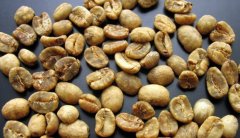
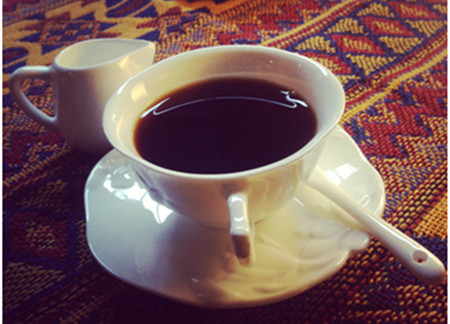
Yemeni Mocha beans are smaller and rounder than most, with a pale green, almost pea-like appearance—similar in size and shape to Ethiopian Harrar beans. The cup is famously bold and complex. Tasters often note intense fruitiness, high acidity, and a spicy edge that’s hard to define. Many also detect subtle chocolate notes, which some suggest inspired the later practice of adding chocolate to coffee drinks. Overall, the flavor is often described as wine-like, with additional notes of nuts, spice, and sometimes blueberry. Others refer to it as having the “wild taste” characteristic of the Red Sea region.
Why Yemeni Mocha Commands High Prices
Yemeni coffee maintains a strong position in global markets, particularly in regions where Turkish-style coffee is popular—especially Saudi Arabia. In those markets, Mocha is highly prized, and drinkers often pay premium prices even for lower-grade lots. This consistent regional demand helps keep international prices elevated. In flavor terms, if Mexican coffee is likened to dry white wine, Yemeni Mocha is regularly compared to Bordeaux: complex, structured, and age-worthy.
Frequently Asked Questions
Where does Mocha coffee get its name from?
Mocha coffee is named after the port of Mocha (Al-Makha) in Yemen, which was historically a major center for coffee export. Though the port is now silted and unusable, the name remains associated with the distinct coffee style that originated from Yemen.
What makes Yemeni Mocha different from other coffees?
Yemeni Mocha is distinct due to its traditional, chemical-free farming methods, unique small and round bean shape, and complex cup profile featuring fruitiness, wine-like acidity, spice, and chocolate notes. It’s processed and transported in straw sacks rather than synthetic ones, preserving a more natural approach.
How are Yemeni coffee beans traditionally grown?
Yemeni coffee is grown on terraced farms under shaded trees like poplar or fig, using no synthetic fertilizers. The steep terraces maximize limited rainfall and arid land, and the coffee is processed and shipped in woven straw bags—a method unchanged for centuries.
What does Yemeni Mocha coffee taste like?
Yemeni Mocha typically has a bold cup with pronounced fruitiness, high acidity, spicy and wine-like notes, along with hints of chocolate and nuts. Some tasters also note flavors resembling blueberry or describe it as having the “wild” character of the Red Sea region.
Why is Yemeni Mocha so expensive?
Yemeni Mocha commands higher prices due to its traditional production methods, limited supply, and strong regional demand—especially in areas where Turkish coffee is popular. Its historical prestige and unique flavor profile also contribute to its premium positioning in the global market.
Are Yemeni Mocha beans chemically treated?
No. Most Yemeni coffee farmers avoid using synthetic fertilizers or chemical inputs, instead relying on natural growing conditions. The coffee is often shaded by trees planted alongside terraces, and no chemical treatments are applied during cultivation or processing.
FrontStreet Yemeni-Style Single Origins to Try
While we don’t list pure Yemeni Mocha beans, try our FrontStreet Ethiopia Yirgacheffe for bright, floral, and citrus-toned notes with a wine-like acidity reminiscent of Mocha’s complexity. Our FrontStreet Ethiopia Guji shows heavy berry and spice layers, echoing the wild fruitiness found in Yemeni profiles. For something closer to the earthy-chocolate spectrum some Mochas develop, explore our FrontStreet Ethiopia Sidamo with its balanced nuttiness and gentle spice. Freshly roasted within 5 days · Orders placed before 17:00 ship the same day · Next-day delivery across most of Guangdong Province.
FrontStreet Coffee is a long-established specialty coffee roaster in Guangzhou China, selling freshly roasted beans from its own farm in Yunnan as well as dozens of carefully selected single-origin beans from around the world for both pour-over and espresso. The products deliver consistently excellent quality and great value, with shipping within 24 hours. Guangzhou's FrontStreet Coffee shop is recommended by many coffee lovers, and the beans are now available online at the Tmall 。
Important Notice :
前街咖啡 FrontStreet Coffee has moved to new addredd:
FrontStreet Coffee Address: 315,Donghua East Road,GuangZhou
Tel:020 38364473