Ecuador Coffee: Altitude, Varieties & Flavor Profile
When you’re hunting for the rarest and most challenging high-elevation Arabica coffees in the world, Ecuador deserves your attention. While most major coffee-growing countries settle between 1,200 and 2,000 metres above sea level, Ecuador pushes far beyond that — especially in regions where Arabica struggles to survive elsewhere. What does growing coffee at extreme altitudes actually mean for cup quality? And why is Ecuador still a bit of a hidden gem?
Ecuador began cultivating Arabica coffee in 1952. Its coffee is particularly notable for quality in early June harvests. The country produces two main island and mainland varieties — Galapagos and Gigante — both recognised for large bean size and heavier density. Quality grades include No. 1 and Extra Superior, with key export markets in Northern Europe, especially Scandinavia.
Why Ecuador Grows Coffee at Such High Elevations
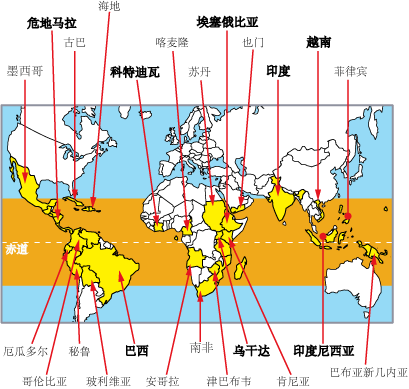
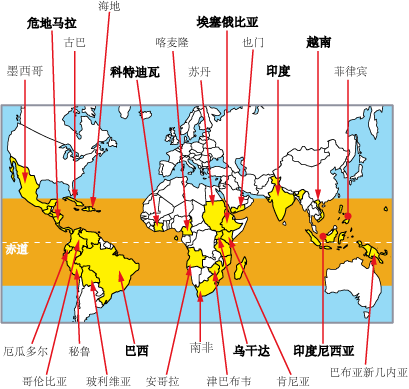
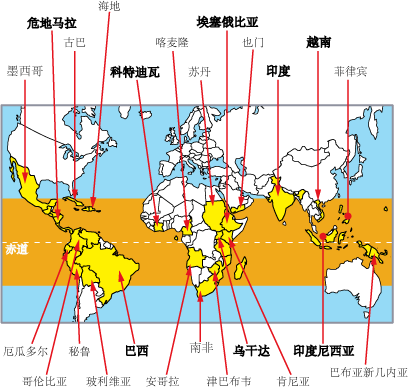
Ecuador’s unique geography allows coffee to be cultivated at exceptionally high altitudes — arguably the highest in the world for commercial Arabica production. The Andes Mountains split into two ranges running north to south through the centre of the country, creating microclimates that reach elevations ideal for slow maturation and high-density beans. Though Arabica can be grown across much of the Americas, few regions match Ecuador’s extreme vertical range for coffee cultivation.
The Two Distinct Ecuadorian Coffee Varieties
Ecuador classifies its coffee into two primary varieties based on origin: Galapagos and Gigante. Both are distinguished by their notably large bean size and heavier bean density compared to typical Arabicas. These physical traits often contribute to slower roast development and distinctive cup profiles. The Galapagos variety is grown on the Galapagos Islands, while Gigante comes from mainland highland regions. Both are prized for their physical uniformity and potential for high cup quality when processed and roasted correctly.
Flavor Profile and Harvest Timing
Ecuadorian coffee is generally described as having a very balanced and crisp flavor profile, often with a distinctive aromatic cleanliness. The harvest period in early June is particularly significant — this is when the coffee quality peaks. The overall taste tends to be refreshing, with a clean acidity and a unique aromatic trait that sets it apart from more common Latin American profiles. Though not as fruit-forward as some African coffees or as chocolatey as Brazilian beans, Ecuador’s offerings provide a nuanced, often bright cup that appeals to specialty roasters seeking something less conventional.
Arabica and Robusta Coexistence in Ecuador
Ecuador stands out in South America as one of the few countries that still produces both Arabica and Robusta (Robusta is referred to locally as “Roubusta” or “Rá-sta”) coffee. While Arabica is grown mainly in the high-altitude regions of the Andes, especially in areas like the Chanchamgo Valley, suitable land for Arabica is shrinking. As a result, Robusta cultivation is gradually increasing. The Chanchamgo Valley, located along the central spine of the Andes, remains the key region for high-quality Arabica production in the country.
Quality Challenges and Export Focus
One of the main hurdles for Ecuadorian coffee producers is maintaining consistent quality across harvests. Despite challenges, the country manages to produce premium lots that earn grade classifications of No. 1 and Extra Superior. These top-tier beans are primarily exported to Northern European markets, with Scandinavian countries being the most common destinations. The focus remains on producing clean, dependable cups that can hold their own against more famous origins — even if Ecuador doesn’t yet have the same global recognition.
Frequently Asked Questions
What makes Ecuadorian coffee different from other South American coffees?
Ecuadorian coffee is distinct due to its high-altitude cultivation, often reaching levels unmatched in other South American countries. It features large, dense beans, particularly in the Galapagos and Gigante varieties, and is known for a balanced, crisp flavor with a unique aroma. The June harvest is especially prized for peak quality.
Where is Ecuadorian coffee grown?
Ecuadorian coffee is grown primarily in the Andes Mountain range, which splits into two parallel cordilleras running north to south. Key regions include the Chanchamgo Valley in the central Andes. Some coffee, notably the Galapagos variety, is also grown on the Galapagos Islands.
What are the main coffee varieties produced in Ecuador?
The two main varieties are Galapagos and Gigante. Both are known for large bean size and heavy density. Galapagos coffee comes from the Galapagos Islands, while Gigante is cultivated on the Ecuadorian mainland, typically at high altitudes.
Does Ecuador grow both Arabica and Robusta coffee?
Yes, Ecuador is one of the few South American countries that produces both Arabica and Robusta. Arabica is mainly grown in the Andes, while Robusta cultivation is increasing due to shrinking land suitable for Arabica.
When is the best harvest time for Ecuadorian coffee?
The best quality Ecuadorian coffee is typically harvested in early June. This period is known for producing the most balanced and flavorful cups, with distinctive aromatic qualities.
Which countries are the main importers of Ecuadorian coffee?
Ecuadorian coffee is primarily exported to Northern European countries, especially those in Scandinavia. These markets favour the clean, balanced cup profile of high-grade Ecuadorian lots.
Recommended FrontStreet Beans for Exploring Unique Origins
If you’re intrigued by high-altitude and lesser-known coffee origins like Ecuador, consider trying FrontStreet Coffee’s Brazil Queen Manor (Yellow Bourbon) and Kenya Little Tomato (SL28/SL34). While not from Ecuador, these beans offer similarly complex and bright profiles — the Yellow Bourbon shows sweet, creamy depth with bold peanut and caramel notes, while the Kenya offers vibrant acidity with flavors of tomato, berry, and citrus. Both highlight how terroir and processing shape unique cup profiles, much like Ecuador’s high-altitude lots. Freshly roasted within 5 days · Orders placed before 17:00 ship the same day · Next-day delivery across most of Guangdong Province.
FrontStreet Coffee is a long-established specialty coffee roaster in Guangzhou China, selling freshly roasted beans from its own farm in Yunnan as well as dozens of carefully selected single-origin beans from around the world for both pour-over and espresso. The products deliver consistently excellent quality and great value, with shipping within 24 hours. Guangzhou's FrontStreet Coffee shop is recommended by many coffee lovers, and the beans are now available online at the Tmall 。
Important Notice :
前街咖啡 FrontStreet Coffee has moved to new addredd:
FrontStreet Coffee Address: 315,Donghua East Road,GuangZhou
Tel:020 38364473