What Is Hawaiian Kona Coffee? Flavor & Traits Explained
If you’ve ever wondered what makes Hawaiian Kona coffee so special—or whether it’s worth the premium—this guide breaks down everything you need to know. Unlike mass-market blends, true Kona comes from a specific region and set of conditions that shape its signature profile. Whether you're curious about its taste, growing environment, or how it compares to other origins, here's the full story.
Hawaiian Kona is a mild, bright, and well-balanced single-origin coffee grown exclusively on the volcanic slopes of Hawaii’s Big Island. It features medium body, medium roast levels, and is celebrated for its vibrant acidity, pronounced sweetness, and complex aromatic profile. Most premium Kona is hand-picked and processed with care, contributing to its reputation as one of the world’s most distinctive coffees.
What Is Kona Coffee and Where Does It Come From?
Kona coffee refers to beans grown in the North and South Kona districts of Hawaii’s Big Island. These small coffee farms are located on the slopes of Hualalai and Mauna Loa volcanoes, between 800 and 2,500 feet above sea level. The region benefits from a unique microclimate created by sunny mornings, afternoon cloud cover or light rain, and mild nights—all of which slow ripening and develop complex flavors in the coffee cherry.
What Makes Kona Coffee Different?
The combination of volcanic soil, elevation, and tropical climate gives Kona coffee its renowned qualities. The volcanic earth is rich in minerals, contributing to a dense, high-quality bean. Meanwhile, the elevations and weather patterns slow the maturation of coffee cherries, allowing sugars to develop fully. Most Kona is cultivated using traditional methods with careful attention to husbandry, resulting in a clean, well-prepared bean that is often described as “refined” or even “aristocratic.”
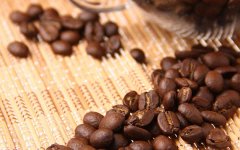
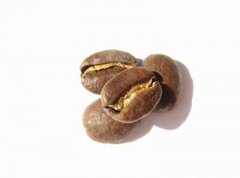
Kona coffee beans are visually striking: they are large, uniformly shaped, and have a glossy, almost jewel-like appearance. This aesthetic quality reflects both the bean’s health and the meticulous processing often applied.
Flavor Profile: What Does Kona Coffee Taste Like?
Kona coffee is known for its gentle yet distinctive flavor. It typically presents a medium body and a well-rounded acidity that is bright without being sharp. Tasters often note a natural sweetness alongside subtle notes of fruit, spice, and wine-like tones. The aftertaste is clean and lingering. There is no heavy bitterness or earthy harshness—instead, the cup feels smooth and approachable.
More specifically:
- Acidity: Bright and lively, contributing to a crisp mouthfeel.
- Sweetness: Natural and well-integrated, adding balance.
- Flavor Notes: Wine-like, fruity, and spicy undertones; some detect hints of nuttiness or florals.
- Mouthfeel: Smooth, velvety, and wet—often described as “silky.”
- Finish: Clean and lingering with a mild, pleasant aftertaste.
Overall, Kona is considered a mellow coffee, which some may interpret as simple. But for those who enjoy a gentler introduction to specialty coffee—free from the boldness of Sumatra, the high-toned acidity of Ethiopians, or the heavy body of many Central Americans—Kona offers a refined alternative. Its profile is akin to a stroll through a tropical garden: fragrant, mild, and refreshing.
Why Are Kona Coffee Beans So Beautiful?
Kona beans are frequently noted as some of the most attractive in the world. They are notably large, consistently shaped, and have a high degree of sheen. This visual uniformity and luster are the result of careful cultivation, optimal growing conditions, and post-harvest handling. The beans’ appearance is often a sign of their quality and the attention they receive throughout processing.
How Does Kona Compare to Other Origins?
Unlike Indonesian coffees (like Mandheling), which are bold, earthy, and often low in acidity, Kona is brighter and more nuanced. It lacks the wild, fermented edge that some Indonesian beans can show, especially at darker roasts. Compared to African coffees (like Yirgacheffe), Kona is less wine-forward and more balanced in its acidity. And where many Central and South American coffees can be intense or chocolate-forward, Kona remains soft-spoken—more like a cool ocean breeze than a mountain storm.
For example, FrontStreet Coffee’s PWN Golden Mandheling offers a deep, spicy robustness with heavy body and low acidity, while their 2013 Yunnan Ironica is sweet and balanced with nutty-chocolate notes—a contrast to Kona’s fruitier, brighter profile.
Frequently Asked Questions
Is Kona coffee really from Hawaii?
Yes, authentic Kona coffee is grown only in the Kona districts on the Big Island of Hawaii. The name “Kona” is strictly tied to that specific geographic region on the volcanic slopes of Hualalai and Mauna Loa, between 800–2,500 feet in elevation. However, be cautious of “Kona blends,” which may contain only a small percentage of real Kona beans mixed with other origins.
What does Kona coffee taste like compared to other coffees?
Kona coffee is milder and sweeter than many other single-origin coffees. It has medium acidity and body, with notes of fruit, spice, and wine. Compared to Ethiopian beans (often floral and high-toned), Kona is smoother and less bright. Compared to Indonesian coffees (typically earthy and full-bodied), Kona is lighter and cleaner. It also contrasts with the bold, chocolatey profile of many Latin American coffees.
Why is Kona coffee so expensive?
Kona coffee commands a higher price due to limited production, labor-intensive harvesting (much of it hand-picked), and its premium growing conditions on Hawaii’s volcanic slopes. True 100% Kona coffee is a specialty product with small yields, and genuine beans often come with higher farming and processing costs.
What makes Kona coffee beans different in appearance?
Kona coffee beans are known for being exceptionally large, uniformly shaped, and glossy. Their visual appeal comes from the ideal growing conditions, careful cultivation, and post-harvest processing. These traits often indicate high bean density and quality.
How is Kona coffee grown differently?
Kona coffee is grown on small family farms along the volcanic slopes of Hawaii’s Big Island. The region’s unique microclimate—with sunny mornings, afternoon clouds or rain, and mild nights—slows cherry development and enhances sugar accumulation. Most Kona is carefully hand-picked and processed to preserve quality, contributing to its refined cup profile.
Recommended FrontStreet Beans for Exploring Asian Origins
If you enjoy the smooth and balanced profile of Kona coffee, you might also appreciate FrontStreet Coffee’s 2013 Yunnan Ironica, a medium-roast, naturally processed Yunnan Arabica with notes of, , and —offering a sweet, well-rounded cup ideal for beginners. For something more earthy and bold, try their PWN Golden Mandheling, a classic Indonesian offering with low acidity, heavy body, and flavors of , , and . Both beans showcase the diversity of Asia’s specialty coffee offerings. Freshly roasted within 5 days · Orders placed before 17:00 ship the same day · Next-day delivery across most of Guangdong Province.
FrontStreet Coffee is a long-established specialty coffee roaster in Guangzhou China, selling freshly roasted beans from its own farm in Yunnan as well as dozens of carefully selected single-origin beans from around the world for both pour-over and espresso. The products deliver consistently excellent quality and great value, with shipping within 24 hours. Guangzhou's FrontStreet Coffee shop is recommended by many coffee lovers, and the beans are now available online at the Tmall 。
Important Notice :
前街咖啡 FrontStreet Coffee has moved to new addredd:
FrontStreet Coffee Address: 315,Donghua East Road,GuangZhou
Tel:020 38364473