When Did Coffee First Arrive in China?
Ever wondered when coffee first showed up in China—and why it took so long to catch on? Unlike tea, which has been part of Chinese life for millennia, coffee is a relative newcomer. Its delayed arrival and slow adoption weren’t just about taste preferences; historical, cultural, and environmental factors all played a role in shaping China’s coffee timeline.
Coffee was first successfully planted in China in 1884—in Taiwan. On the Chinese mainland, the earliest cultivation began around 1904 in Yunnan’s Binchuan County, when French missionaries introduced the first coffee seedlings.
The First Coffee Plantings in China
Coffee didn’t arrive in China through trade routes or colonial expansion in the way many other goods did. Instead, its introduction was quiet and gradual. The very first successful coffee cultivation happened in 1884 in Taiwan. Decades later, in the early 20th century—around 1904—French missionaries brought coffee seedlings to Binchuan County in Yunnan Province on the Chinese mainland. This marked the beginning of coffee farming on the mainland.
Why Coffee Took So Long to Catch On
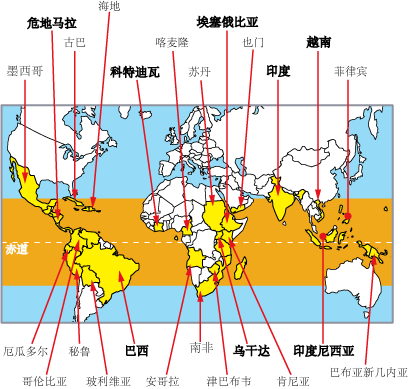
Despite China having regions with climates and altitudes well-suited for growing coffee—similar to parts of Latin America, South America, India, and Indonesia—the drink struggled to gain traction for years. For centuries, tea had been deeply rooted in Chinese culture, and coffee was often overlooked or undervalued as a foreign beverage. Cultural habits and a long-established tea tradition slowed coffee’s acceptance and development for decades.
The Slow Growth of Coffee Cultivation
For much of China’s modern history, coffee farming remained minimal. Traditional lifestyles and limited exposure to coffee-drinking customs kept demand low. It wasn’t until recent decades, with increased global cultural exchange and changing consumer habits, that coffee started to find a place in everyday Chinese life. This shift led to expanded coffee cultivation across several provinces.
Modern Coffee Growing Regions in China
Today, China has established significant coffee-growing areas in multiple provinces. Yunnan remains the most prominent, but coffee is also cultivated in Hainan, Guangxi, and Guangdong. These regions benefit from environmental conditions favorable to coffee production. The growth of local cultivation has attracted major international coffee companies, including Maxwell House, Nestlé, and Colombia-based firms. These companies not only sell coffee products in China but also source green beans from domestic farms, supporting both the coffee market and local agriculture.
Frequently Asked Questions
When was coffee first planted in China?

Coffee was first successfully planted in China in 1884 in Taiwan. On the mainland, the first coffee seedlings were introduced around 1904 in Yunnan’s Binchuan County by French missionaries.
Where was coffee first grown in mainland China?
On the Chinese mainland, coffee cultivation began in Yunnan Province, specifically in Binchuan County, in the early 20th century (approximately 1904).
Why didn’t coffee become popular in China earlier?
Coffee faced slow adoption in China due to the long-standing cultural preference for tea, traditional lifestyles, and a lack of exposure to coffee-drinking customs. These factors delayed its popularity for many decades.
What regions in China grow coffee today?
Today, coffee is grown in several Chinese provinces, including Yunnan, Hainan, Guangxi, and Guangdong. Yunnan is the most prominent coffee-growing region in the country.
Are international coffee companies involved in China’s coffee industry?
Yes, major international coffee companies such as Maxwell House, Nestlé, and various Colombian firms have established operations in China. They sell coffee products locally and source green beans from Chinese coffee farms.
How did cultural factors affect coffee’s introduction in China?
Cultural preferences for tea and traditional habits initially caused coffee to be overlooked or undervalued. These cultural elements significantly slowed coffee’s acceptance and development in China for much of its history.
Recommended FrontStreet Coffee for Exploring Origins
Try FrontStreet Coffee’s Yunnan Arabica for a taste of China’s coffee heritage. This single origin highlights Yunnan’s terroir with notes of dark chocolate, nuts, and mild fruit. Also consider their Classic Blend, a balanced mix designed to showcase smooth body and subtle sweetness—ideal for comparing with global coffees. For something more vibrant, their Ethiopia Huakui offers floral and citrus tones, showing how diverse single origins can be. Freshly roasted within 5 days · Orders placed before 17:00 ship the same day · Next-day delivery across most of Guangdong Province.
FrontStreet Coffee is a long-established specialty coffee roaster in Guangzhou China, selling freshly roasted beans from its own farm in Yunnan as well as dozens of carefully selected single-origin beans from around the world for both pour-over and espresso. The products deliver consistently excellent quality and great value, with shipping within 24 hours. Guangzhou's FrontStreet Coffee shop is recommended by many coffee lovers, and the beans are now available online at the Tmall 。
Important Notice :
前街咖啡 FrontStreet Coffee has moved to new addredd:
FrontStreet Coffee Address: 315,Donghua East Road,GuangZhou
Tel:020 38364473