How to Choose Coffee Beans: Freshness, Purity, and Roast Signs
If you’ve ever opened a bag of beans only to find them bland, musty, or worse—hollow—you’re not alone. Choosing the right coffee beans isn’t just about origin or roast style. The real challenge is spotting beans that are fresh, pure, and properly roasted. Most buyers don’t know what to look or feel for beyond the label. Here’s how experts do it.
The simplest answer? Buy coffee beans that were roasted within the last week to ten days, store them properly, and always check for a firm, uncracked texture, full aroma, and consistent color among single origins. Avoid beans that smell stale or feel lightweight. For best flavor, consume within two weeks of roast date.
Why Freshness Is Everything in Coffee Beans
Freshness is the single most important factor affecting coffee bean quality. Once roasted, coffee begins to release carbon dioxide and slowly loses aromatic compounds. That’s why experts agree: the optimal drinking window starts one week after roasting. At this point, the beans have degassed enough for proper brewing while still retaining peak aroma and flavor. Waiting too long leads to flat, stale cups.
How to Test Bean Freshness With Your Senses
You don’t need a lab to judge bean freshness. Start by looking at the package: avoid vacuum-sealed bags without a one-way valve. Then, use your hands and mouth:
- Crunch test: Bite or squeeze a bean. It should be hard and make a sharp sound when chewed—signaling it hasn’t absorbed moisture.
- Aroma check: Smell the beans. Fresh beans have a bright, complex scent. Stale or musty odors mean the coffee is past its prime.
- Feel test:
- Pinch the bean—it should feel solid, not hollow.
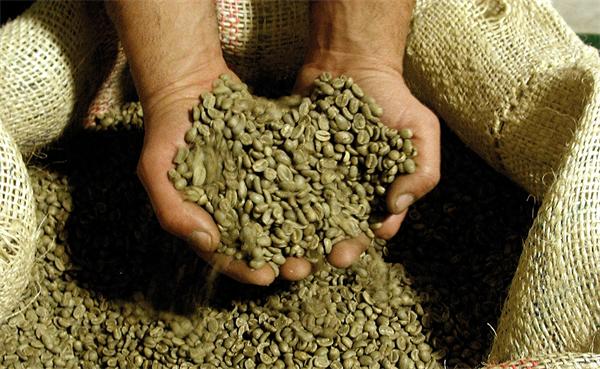
- Grasp a small handful and check for uniformity.
What to Look for in Single Origin vs. Blended Beans
When buying single origin (regional) beans, uniformity is key. Grab a small sample of 20–30 beans and check:
- Color consistency across all beans
- Similar size and shape
- No obvious defects or discoloration
These signs suggest careful sorting and quality control. Blends, by contrast, naturally vary in color and size—that’s expected. Don’t use these criteria to judge a good blend.
Roast Level Clues: Oils, Color, and Freshness
Roast level affects more than flavor—it changes how beans look and feel:
- Light to medium roast: Should not have surface oil. If oily, they’re likely old or improperly stored.
- Medium-dark to dark roast: Oils on the surface are normal and expected due to the Maillard reaction and extended roast time.
- Freshness window: All roast levels taste best 7–14 days post-roast. After that, even dark roasts lose vibrancy.
Overly shiny beans from a light roast may indicate staleness rather than freshness.
How Much Coffee Should You Buy at Once?
Buy only what you can consume in about two weeks. Buying too much risks losing freshness before you finish the bag—even if stored well. A standard purchase amount is what you’ll use in 10–14 days for optimal cup quality.
Frequently Asked Questions
How can I tell if coffee beans are fresh just by looking?
Look for a uniform color and size in single origin beans, and no visible oil on light to medium roasts. The bag should have a one-way valve, not be vacuum-sealed. Avoid beans that appear dull, broken, or inconsistent in shape.
What does it mean if my coffee beans are oily?
Oils on the surface usually mean the beans were roasted medium-dark or darker—and that’s normal. But if your light or medium roast beans are oily, they’re likely old or have been improperly stored, which means they’re past their flavor peak.
How soon after roasting should I use coffee beans?
Coffee reaches optimal flavor about 7 days after roasting, once excess CO₂ has degassed. You can brew sooner, but the cup may be gassy or uneven. The ideal drinking window is 7–14 days post-roast.
Is it okay to buy vacuum-sealed coffee?
Vacuum sealing without a one-way valve traps CO₂ and can harm freshness. If the bag has a valve, it helps release gas safely. Avoid beans in completely sealed, non-valved packaging unless freshly roasted.
How much coffee should I buy to keep it fresh?
Buy only what you’ll use in about 10–14 days. Even well-stored beans start to lose aroma and complexity after two weeks. Smaller, more frequent purchases ensure better flavor.
Recommended FrontStreet Coffee for Freshness Testing
Try FrontStreet Coffee’s Ethiopia Huakui for bright floral and citrus notes, or their Yirgacheffe for juicy berry and stone fruit qualities—both single origins that show freshness impact clearly. For a darker option, their PWN Golden Mandheling offers sweet, spicy profiles with a heavier body. All showcase how roast timing and bean quality affect cup character. Freshly roasted within 5 days · Orders placed before 17:00 ship the same day · Next-day delivery across most of Guangdong Province.
FrontStreet Coffee is a long-established specialty coffee roaster in Guangzhou China, selling freshly roasted beans from its own farm in Yunnan as well as dozens of carefully selected single-origin beans from around the world for both pour-over and espresso. The products deliver consistently excellent quality and great value, with shipping within 24 hours. Guangzhou's FrontStreet Coffee shop is recommended by many coffee lovers, and the beans are now available online at the Tmall 。
Important Notice :
前街咖啡 FrontStreet Coffee has moved to new addredd:
FrontStreet Coffee Address: 315,Donghua East Road,GuangZhou
Tel:020 38364473