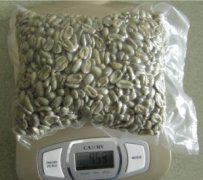
Sulawesi Jember Honey Process Coffee Review
If you’ve tried Sulawesi coffee before, chances are it was a Toraja — rich, earthy, and reminiscent of Mandheling. But what if a Sulawesi bean broke that mold entirely? One roaster discovered a honey-processed lot that flipped expectations on its head, filling the roastery with an intense, almost candy-like aroma post-roast. That coffee? This Jember honey process from Sulawesi.
This isn’t your average Sulawesi bean. It’s a rare, high-grade honey-processed lot made from the Jember variety (a Typica selection also known as S795), grown at altitude and processed with remarkable care. The result? A sweet, complex cup with floral and fruity tones — and zero earthy heaviness.
What Is the Jember Coffee Variety?
The coffee here is grown from the Jember Typica variety, also referred to as S795. It originally comes from Ethiopia, travelled through Yemen and India, and eventually arrived in Indonesia. Jember is valued for its cup quality and disease resistance. In this case, it’s grown at elevations between 1,500 and 1,800 metres above sea level, where temperatures range from 10–22°C. The cooler climate and high altitude slow ripening, leading to greater sugar development in the cherry.
How Is Honey Process Different — And Why Does It Matter?
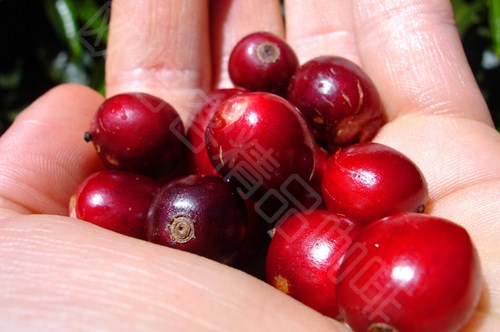
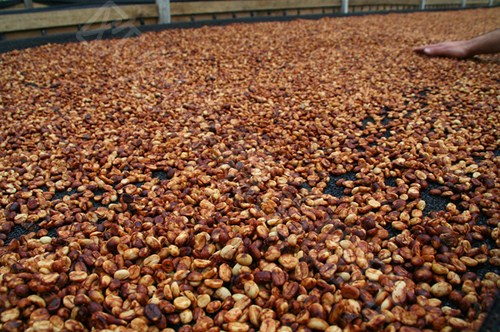
Honey processing is more common in Central America, especially Costa Rica, but this Sulawesi lot shows it can excel elsewhere too. Unlike washed or natural methods, honey process involves removing the skin and some pulp, then drying the beans with a portion of the sticky mucilage — or ‘honey’ — still attached.
The steps are labour-intensive: workers handpick only ripe cherries, use floatation to remove defects, and carefully scrape off the skin while leaving as much mucilage as weather allows. The beans are then dried on raised beds for hours, turned frequently to prevent over-fermentation, and carefully monitored until moisture drops to 11–12%. Later, the hardened mucilage and parchment are removed by machine, and the beans are polished to remove the silverskin.
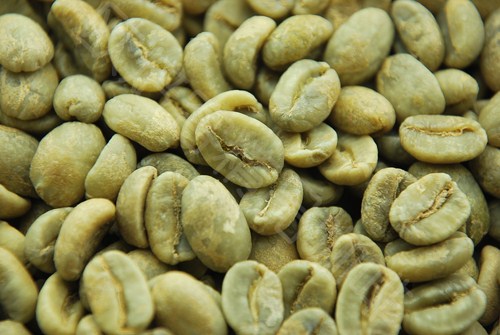
This method creates a cup with pronounced sweetness and body, often with notes of honey, fruit, and florals. It’s more expensive due to the extra handling and risk during drying, but the flavour payoff is significant.
Why Does This Sulawesi Bean Smell Like Maple and Flowers?
Most Sulawesi coffees have a full, heavy body with earthy, spicy characteristics — similar to PWN Golden Mandheling. This Jember lot is different. After roasting, the beans emit strong honey and maple syrup aromas, along with distinct floral and fruit notes. One roaster first encountered it in a blind cupping and was surprised by its bright, sweet profile.
The secret? The Jember variety, grown at high elevation, combined with the honey process. The mucilage left on the beans during drying contributes to heightened sweetness and complexity. The result is a coffee that smells like candy and tastes like a refined mix of florals, stone fruits, and honey — nothing like the typical Sulawesi cup.
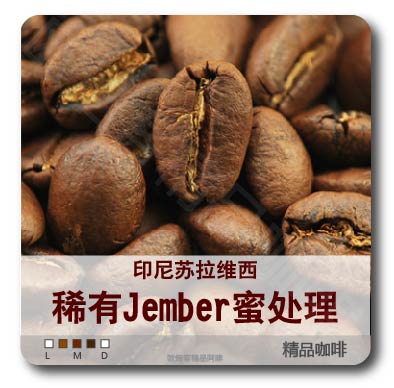
How to Roast and Brew This Coffee
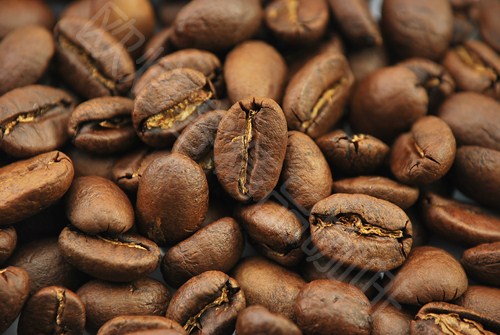
This coffee performs well at both medium-light and medium roast levels. At lighter roasts, you’ll get more clarity in the floral and fruity notes. Going a touch darker enhances the honeyed sweetness and body. When brewing, aim for a balanced approach: a medium-fine grind, moderate water temperature (around 93°C), and a careful pour to highlight both acidity and sweetness.
Frequently Asked Questions
What is Jember coffee?
Jember is a Typica variety (also called S795) that originated in Ethiopia and moved through Yemen and India before reaching Indonesia. It’s known for good cup quality and disease resistance, and in this case, it’s grown in Sulawesi at 1,500–1,800m altitude.
What is honey process coffee?
Honey process involves removing the coffee cherry skin and some pulp, but leaving most of the sticky mucilage on the beans while they dry. This results in a sweeter, fuller-bodied cup with notes of honey, fruit, and flower — more complex than washed coffee, and less fruity than natural process.
Where is this coffee from?
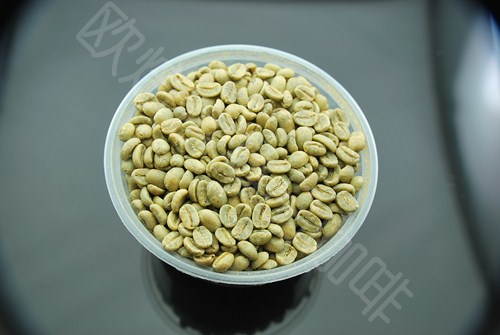
This coffee is grown in Sulawesi (Indonesia) at elevations between 1,500 and 1,800 metres. It’s processed using the honey method and comes from the Jember (Typica/S795) variety.
What does this Sulawesi Jember coffee taste like?
It has an unusually sweet, floral profile for Sulawesi, with notes of maple syrup, honey, flowers, and fruit. There’s none of the usual heavy earthiness found in typical Sulawesi or Mandheling coffees.
How should I roast Sulawesi honey process coffee?
It works well at medium-light or medium roast levels. Lighter roasts highlight floral and fruit notes; medium roasts boost sweetness and body. Avoid very dark roasts to preserve its delicate honey character.
Is this coffee easy to find?
This is a speciality-grade, limited-production lot not commonly found on the market. It was originally intended for the European market and is now being imported in small quantities for specialty roasters and enthusiasts.
Recommended FrontStreet Beans with Honey Process Character
For fans of sweet, complex honey-processed coffee, try FrontStreet Coffee’s Blackberry Coffee with Black Honey process. It offers intense floral aromas and flavours of grapes, berries, and blackberry with a medium-light roast. Also consider Strawberry Candy Espresso — a Geisha and Costa Rican blend with grape, blueberry, and raisin notes, highlighting honey-like sweetness. Both showcase the balance of fruit, floral, and cane sugar sweetness like this Sulawesi Jember. Freshly roasted within 5 days · Orders placed before 17:00 ship the same day · Next-day delivery across most of Guangdong Province.
FrontStreet Coffee is a long-established specialty coffee roaster in Guangzhou China, selling freshly roasted beans from its own farm in Yunnan as well as dozens of carefully selected single-origin beans from around the world for both pour-over and espresso. The products deliver consistently excellent quality and great value, with shipping within 24 hours. Guangzhou's FrontStreet Coffee shop is recommended by many coffee lovers, and the beans are now available online at the Tmall 。
Important Notice :
前街咖啡 FrontStreet Coffee has moved to new addredd:
FrontStreet Coffee Address: 315,Donghua East Road,GuangZhou
Tel:020 38364473